

Tomorrow, DPR Will Enact Asset Forfeiture Bill into Law
-
News
-
1 minute ago
This article was translated by AI. Read the original article on Kompas.com. See Original
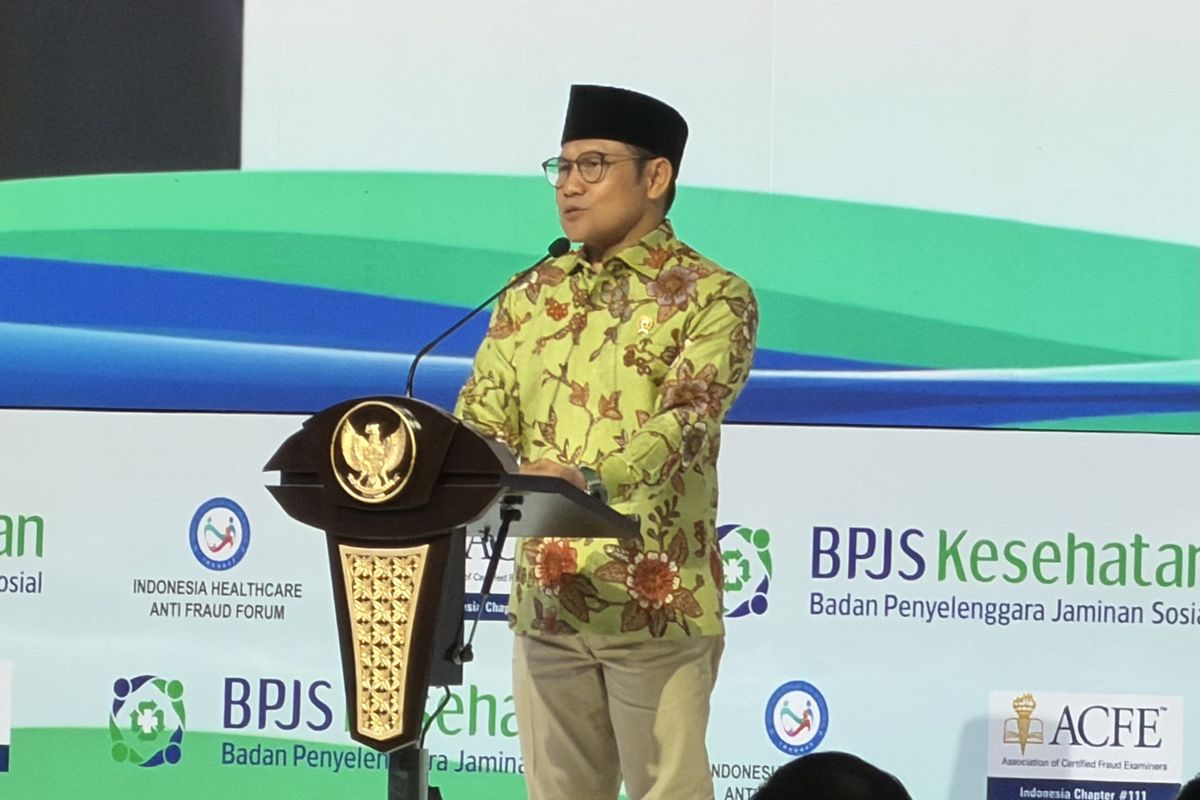
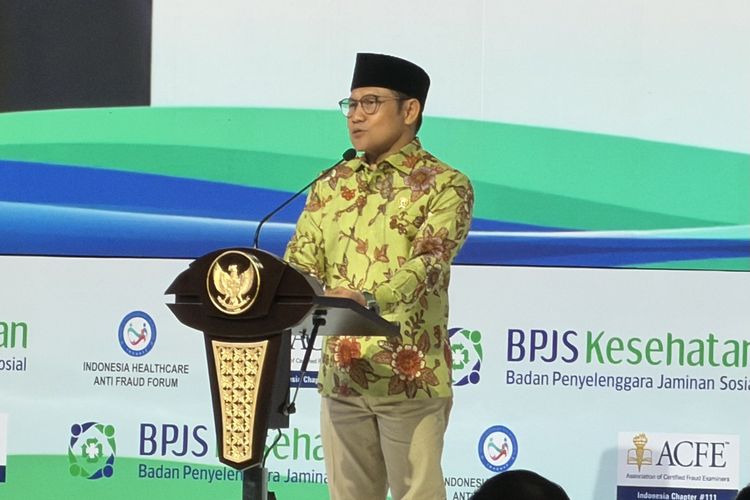
JAKARTA, KOMPAS.com - Coordinating Minister for Community Empowerment Muhaimin Iskandar (Cak Imin) announced that the government has allocated over Rp 60 trillion from the state budget (APBN) to support the National Health Insurance (JKN) program.
Cak Imin noted that this funding includes an additional budget of Rp 20 trillion provided for BPJS Kesehatan in two phases.
"This year, the President allocated an additional Rp 20 trillion to strengthen BPJS Kesehatan. This means that over Rp 60 trillion from the state budget is being disbursed to BPJS this year," added Cak Imin at the 2nd Healthcare Anti-Fraud Forum (INAHAFF) Conference 2026 in Central Jakarta on Wednesday (18/11/2026).
Cak Imin emphasized that such substantial government support must be matched by the involvement of all parties in ensuring the sustainability of JKN.
He stated that BPJS Kesehatan is not just a government entity, but the collective ownership of all citizens, highlighting the concept of mutual assistance.
"Fraud is a betrayal of all values of mutual assistance. The JKN funds are a mandate from the entire Indonesian population," he remarked.
He reminded everyone that JKN funds come from shared contributions, both through the state budget and participant premiums.
Therefore, any potential leakage due to fraud must be prevented to protect the public's right to healthcare services.
"Fraud in the JKN system not only harms the program's finances but also threatens the sustainability of health protection for the community," he explained.
Cak Imin believes that maintaining JKN's sustainability requires cooperation from hospitals, healthcare facilities, participants, healthcare professionals, and all stakeholders.
"To regulators, law enforcement agencies, BPJS Kesehatan, and the business world, let us work together to close all gaps in management that could allow for fraud," he urged.
Cak Imin cautioned that efforts to combat fraud should not create fear among healthcare professionals who perform their duties according to professional standards and medical considerations.
Fraud handling must be based on objective evidence, not on suspicion or unilateral judgments.
"Let us optimize technology, protect whistleblowers, and support the workers while fulfilling our premium obligations," he concluded.