
Baleg Reveals 35 Draft Laws in Prolegnas Priority Under Preparation by DPR, 27 Have Been Finalized
-
News
-
13 minutes ago
Writer
This article was translated by AI. Read the original article on Kompas.com. See Original
JAKARTA, KOMPAS.com - The educational backgrounds of members of the House of Representatives (DPR) have become a subject of public discourse following a petition urging the disclosure of their diplomas and educational histories.
The petition, initiated by Farida Octavia on change.org, demands that the educational records and diplomas of all DPR members be made public.
As of Tuesday (17/11/2026) at 10:40 AM WIB, the verified signature count for the petition had reached 21,477 signatures.
The petition contains three demands directed at all DPR members to disclose their diplomas and educational histories to the public.
The first demand is addressed to the leadership of the DPR RI, requesting that the parliamentary leaders require all council members to publicly share their educational backgrounds along with their diplomas.
"From secondary school to higher education/academic degrees, all members of the DPR RI should disclose their educational records transparently to the public," the petition states.
The second demand targets the General Elections Commission (KPU) and relevant ministries, asking them to facilitate an audit or re-verification of the authenticity of diplomas held by all currently active legislators.
The third demand is directed at all DPR members, who are asked to voluntarily publish their diplomas as a demonstration of integrity and an effort to restore public trust in the legislative body.
Behind this petition, the requirements for becoming a DPR member are regulated by Law Number 7 of 2017 concerning Elections.
This includes educational qualifications for candidates for the DPR level, outlined in Article 240, paragraph (1) of the Election Law.
"Prospective members of the DPR, provincial DPRD, and city/regency DPRD must be Indonesian citizens and must meet the requirements," states Article 240, paragraph (1) of the Election Law.
"At a minimum, education must be at least a high school diploma, madrasah aliyah, vocational high school, madrasah aliyah vocational school, or an equivalent educational institution," states Article 240, paragraph (1) letter e of the Election Law.
This article also outlines additional requirements for DPR candidates wishing to contest in the elections. Here are the 16 requirements:
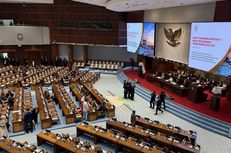
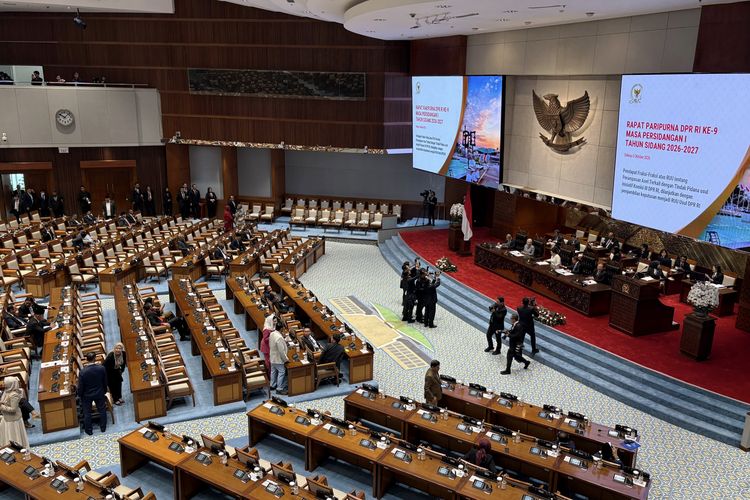
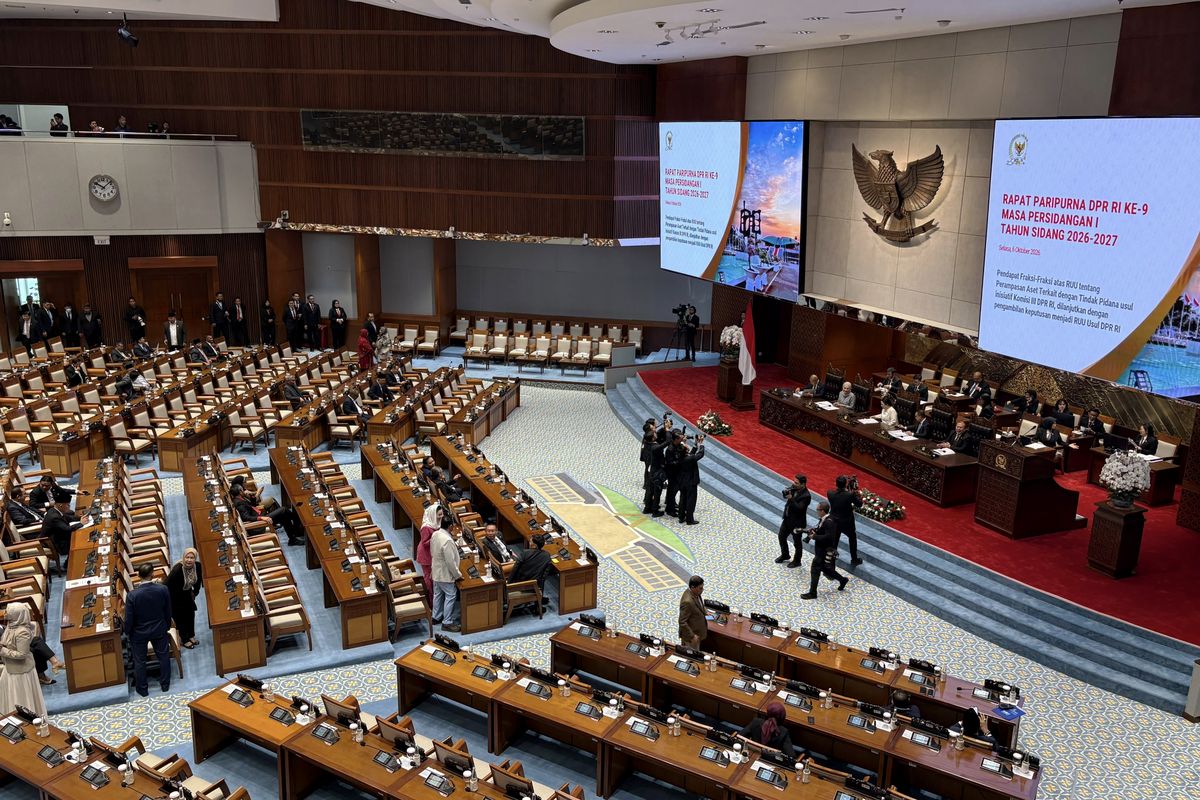
 Illustration of the DPR.
Regarding educational requirements, DPR candidates must prove their qualifications with photocopies of diplomas, graduation certificates, or other legalized documentation.
"The proof of the last educational qualification must be a photocopy of the diploma, graduation certificate, or other documentation legalized by the educational institution or secondary education program," states Article 240, paragraph (2) letter b of the Election Law.
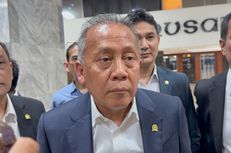
Meanwhile, Deputy Chairman of the DPR RI Sufmi Dasco Ahmad responded to the petition urging all DPR members to publish their diplomas and educational histories to the public.
Dasco stated that information regarding the backgrounds of DPR members is already publicly available through the General Elections Commission (KPU).
"Actually, in the candidacy for DPR members, that information is open at the KPU," Dasco said at the DPR building in Senayan, Jakarta, on Tuesday (17/11/2026).
He explained that various information regarding the backgrounds of DPR members before they were elected can also be traced through data held by the KPU.
"So that can perhaps be seen at the KPU with data about candidates before they became candidates, it's all there," Dasco added.