
General Hoegeng's Family Hopes His Integrity Will Be a Model for the Younger Generation
-
News
-
Just now
This article was translated by AI. Read the original article on Kompas.com. See Original
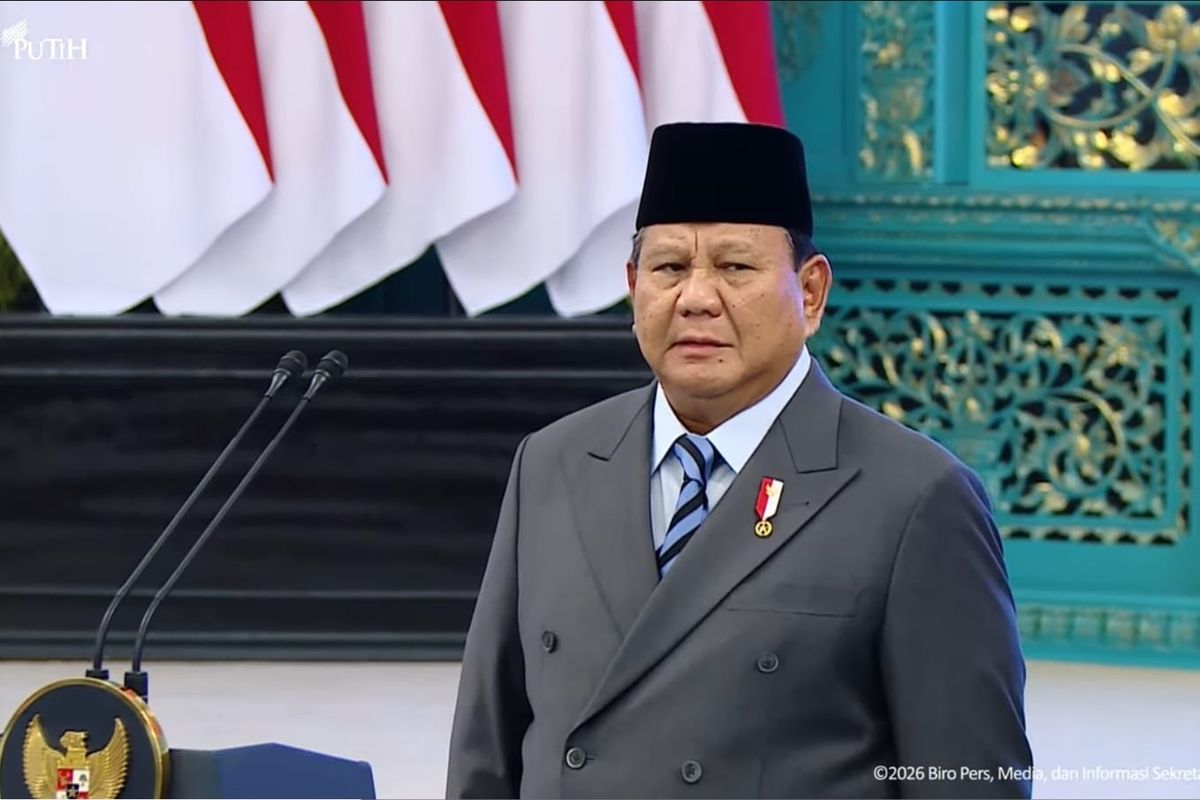
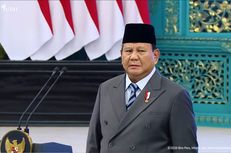
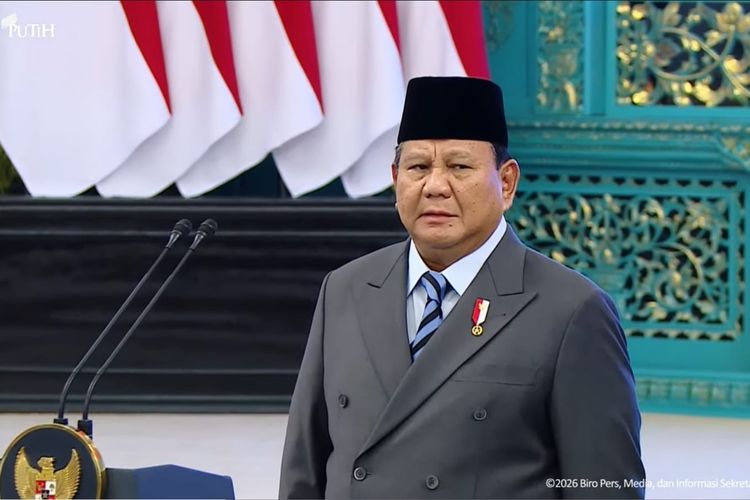
JAKARTA, KOMPAS.com - President Prabowo Subianto awarded the title of national hero to 19 figures at the Palace in Jakarta on Tuesday (10/11/2026).
This award was given based on the Presidential Decree of the Republic of Indonesia (Keppres) No. 93/TK/Year 2026 concerning the Award of National Hero Titles.
"The awarding of the title of national hero to those whose names, ranks, and regions of origin are listed in this decision is a tribute and high honor for their extraordinary services, as they once led and fought armed or political struggles in other fields to attain and defend the independence, as well as to realize the glory of the nation and state," reads the excerpt from the presidential decree announced at the State Palace.
Here are brief profiles of the 19 national heroes designated by Prabowo, sourced from the Ministry of Social Affairs' Instagram account:
Hoegeng was born on October 4, 1921, in Pekalongan, Central Java. He is known as the fifth Chief of Police, recognized for his courage in enforcing the law without bias.
One of his significant contributions includes handling the Sum Kuning case and implementing road safety policies through the 1971 Helmet Mandate.
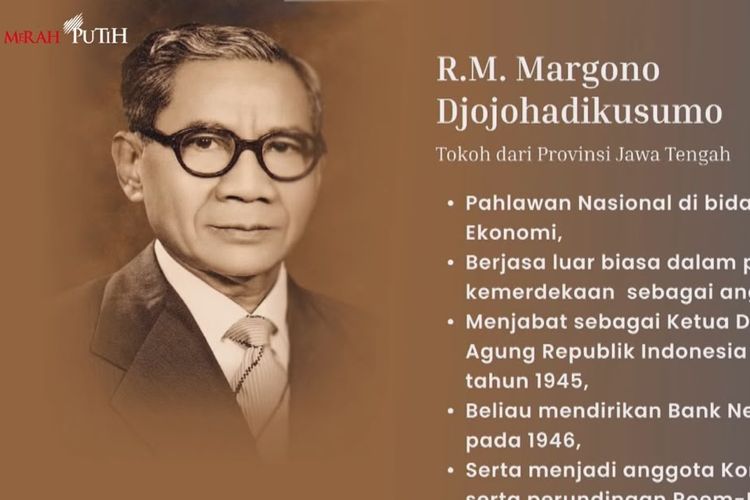
R.M. Margono Djojohadikusumo was the grandfather of President Prabowo Subianto, born on May 16, 1894, in Purbalingga, Central Java.
He founded Bank Negara Indonesia (BNI) and was instrumental in establishing a national bank that played a role in issuing the Indonesian Republic Currency (ORI).
Margono also played a key role in facing the Dutch economic blockade and conducting economic diplomacy during the Round Table Conference.
 Raden Mas Margono Djojohadikusumo receiving the national hero title from President Prabowo Subianto at the Palace in Jakarta on Tuesday (10/11/2026).
Ali Sastroamidjojo was born on May 21, 1903, in Grabag, Magelang, Central Java. He initiated and chaired the Asian-African Conference in Bandung in 1955.
This conference was attended by 29 countries and resulted in the Bandung Principles. Additionally, Ali served as Prime Minister.
Abdoel Moethalib Sangadji is recognized as a national hero in the fields of organizational struggle and education.
He was born on June 3, 1889, in Rohomoni, Maluku. He was active in fostering national awareness through the Islamic Union.
Moreover, he established schools and madrasahs in Samarinda and Maluku to provide educational access for the community during the colonial period.
Franciscus Xaverius Seda, often referred to as Frans Seda, was born in Sikka, East Nusa Tenggara (NTT), on October 4, 1926.
He was awarded as a national hero for his contributions to politics, economics, and national development.
Frans Seda fought to defend the independence through the KRIS Brigade and the Small Sunda Brigade.
Additionally, he served as Minister of Finance during the presidency of Indonesia's second president, Soeharto.
Sutan Takdir Alisjahbana was a pioneer in the reform of Indonesian language and literature, born on February 11, 1908.
Born in Mandailing Natal, he initiated the First Indonesian Language Congress in 1938.
Sutan founded the magazine Pujangga Baru and led various language and education institutions.
Ali Sadikin was the former Governor of DKI Jakarta, born on July 7, 1928, in Sumedang, West Java.
As Governor, he promoted urban development through the Mohammad Husni Thamrin project, which improved thousands of hectares of residential areas.
He also expanded healthcare services, education, and established cultural spaces like Taman Ismail Marzuki and the Jakarta Arts Council.
 Ali Sadikin, former Governor of DKI Jakarta, who legalized gambling from 1966 to 1977.
Sultan Muhammad Ali Abdul Jalil Muazzam Syah was born in 1730 in Siak, Riau. He is recognized as a national hero for his contribution to armed struggle.
As the Commander-in-Chief of the Siak Kingdom, Sultan Muhammad Ali Abdul Jalil Muazzam Syah led the resistance against the Dutch East Indies Company (VOC).
General (Ret.) Maraden Panggabean held various top positions, including Army Chief of Staff (KSAD), Commander of ABRI, and Minister of Defense and Security.
Born on June 29, 1922, in North Tapanuli, he also served on the Supreme Advisory Council.
Major General (Ret.) Soengkono was born on January 1, 1911, in Purbalingga, Central Java. He was awarded the title of national hero for his contributions to national defense.
In September 1945, he led the People's Security Agency (BKR) in Surabaya.
Through this body, he coordinated various fighter groups and divided Surabaya into six defense sectors to face the Allies' attacks on November 10, 1945.
Born in Banyuwangi, East Java, on December 6, 1912, Suryadi was the first Chief of Air Staff (KSAU) serving for nearly 16 years.
Suryadi laid the foundation for the development of national air power through pilot education, establishing the first flight school in Kertajati, and developing air force units.
K.H. M. Yusuf Hasyim was born on August 3, 1929, in Jombang, East Java.
He joined the Hizbullah Brigade and became a company commander during the battle on November 10, 1945.
After Hizbullah merged into the Indonesian National Army (TNI) in 1947, he held the rank of First Lieutenant.
K.H. Wasyid was born in Grogol Village, Banten, in 1843. He mobilized scholars, students, and the Banten community to resist colonial rule.
He led preparations for the resistance, organized forces, and devised strategies, culminating in the Cilegon Incident on July 9, 1888.
Muslim Muhammad Khalifah is a national hero recognized for his struggles.
Known as Kiai Modjo, he collaborated with Prince Diponegoro during the Java War of 1825.
Kiai Modjo mobilized students and scholars to join the resistance against the Dutch.
K.H. Abbas Abdul Jamil was a national hero born on October 26, 1883, in Cirebon, West Java.
Through pesantren networks, Nahdlatul Ulama, and Tijaniyah, he inspired students and the community to develop an anti-colonial spirit.
K.H. Abbas Abdul Jamil also led the student militia during the Surabaya battle on November 10, 1945.
General (Ret.) M. Jusuf is known for defending independence through the People's Security Agency and Brigade 16.
He later commanded the XIV/Hasanuddin Military Command, ensuring security stability in South Sulawesi and addressing the DI/TII insurgency.
Sultan Ibrahim Chaliludin is a national hero born around 1858 in the Sultanate of Paser, East Kalimantan.
As the Sultan of Paser, he used his personal wealth to pay taxes for his people, shielding them from excessive colonial tax burdens and forced labor.
After abdicating, he led the Islamic Union branch in Paser and was a driving force behind the Paser War from 1915 to 1916.
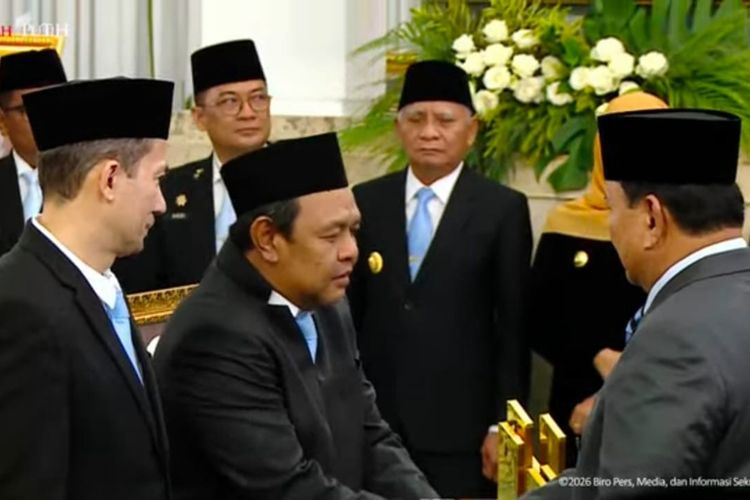 Mustahdi, a representative of the Buntet Pesantren family, receiving the National Hero award for KH Abbas Abdul Jamil at the State Palace on Tuesday (10/11/2026).
Lieutenant Colonel Moch. Sroedji was born on February 1, 1915, in Bangkalan, East Java. He led armed struggles in East Java from the outset of independence.
During Military Aggression I, as the Commander of the III/Damarwulan Brigade, he conducted guerrilla warfare for about seven months in Lumajang, Probolinggo, and Southern Jember.
Mohamad Roem was born on May 6, 1908, in Parakan, Central Java. He was a key figure in the diplomacy to defend Indonesia's independence.
He led the Indonesian delegation in the Roem-Roijen negotiations in 1949, resulting in the cessation of Dutch military operations, the release of Indonesian Republic leaders, and the return of the Indonesian government to Yogyakarta.