

Yusril on Gibran's Effort to Validate Diploma in PTUN: It's Pointless, MA Decision is Final
-
News
-
1 minute ago
This article was translated by AI. Read the original article on Kompas.com. See Original
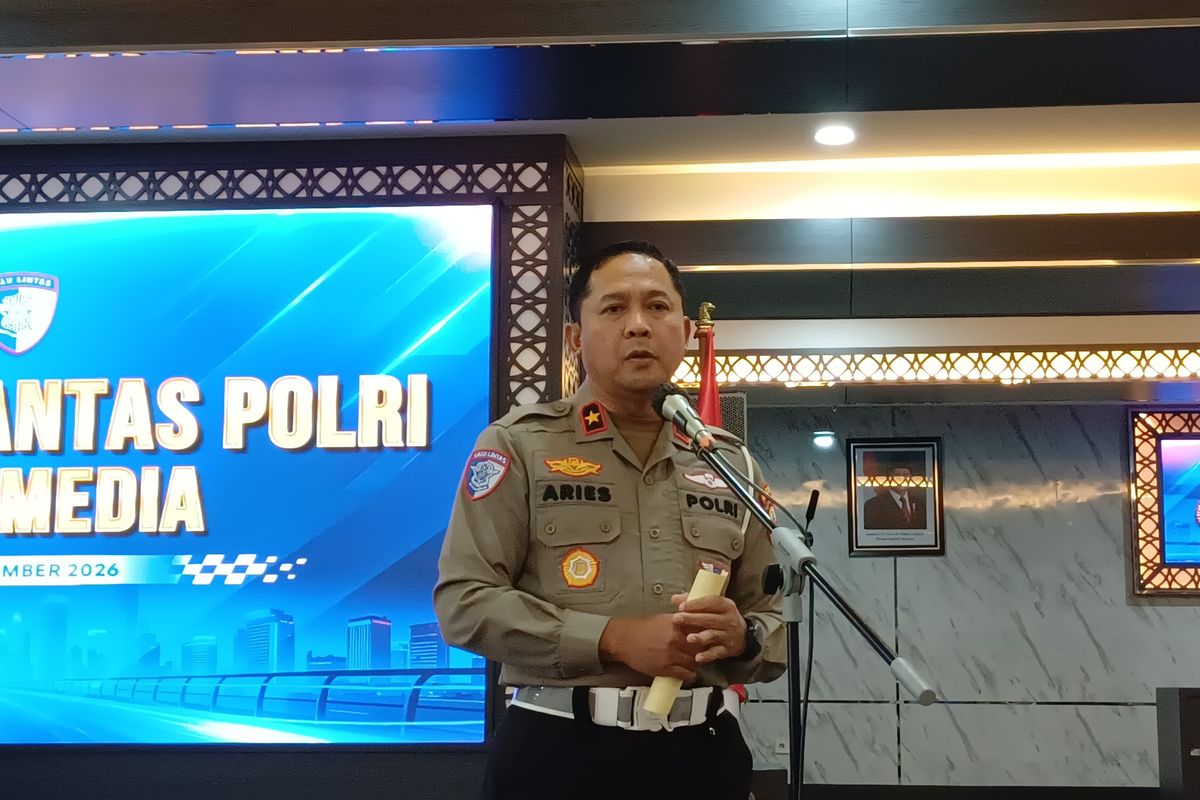
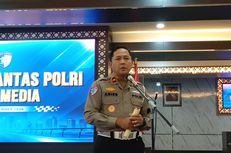
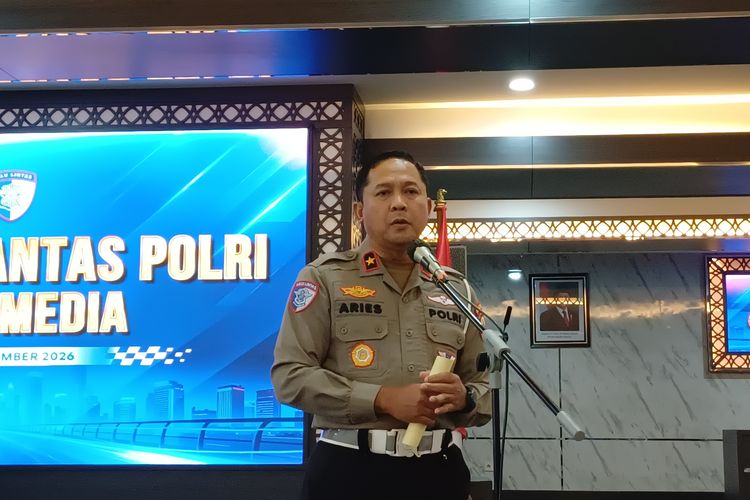
JAKARTA, KOMPAS.com - The Head of the Traffic Corps of the Indonesian National Police, Brigadier General Aries Syahbudin, explained the reasons behind the limited implementation of electronic traffic violations or Electronic Traffic Law Enforcement (ETLE) across Indonesia.
According to Aries, one of the key challenges is the budget limitation for developing and installing ETLE devices in various regions.
“However, there are indeed some shortcomings with ETLE itself. First, we cannot fully implement ETLE throughout Indonesia due to the development budget issue,” Aries stated at the NTMC Polri, Cikoko, Pancoran, South Jakarta, on Tuesday (10/11/2026).
In addition to budget constraints, ETLE cameras also cannot cover all types of traffic violations.
Aries provided an example where a camera installed on one side of the road may not capture vehicles going against the flow from the other side.
“For instance, if we install the camera on this side, people going against the flow may come from the other side, right? That’s the simplest example. Therefore, in law enforcement, traditional traffic violations are still applicable,” he said.
As a result, the Traffic Corps of the National Police continues to develop ETLE gradually based on budget capabilities and position these devices at priority locations.
The determination of installation sites refers to data from the Integrated Road Safety Management System (IRSMS), particularly concerning accident rates and traffic violations.
The Traffic Corps prioritizes locations prone to accidents or black spots and areas where violations frequently occur, referred to as trouble spots.
“These are our priorities for continuous monitoring. With limited funding,” he said.
“Given our constrained capabilities, we prioritize sites where the installation of these devices can be more effective in monitoring potential traffic violations,” he concluded.