
BNPB: 5,940 Families Affected by Flooding in Bandung City
-
News
-
1 minute ago
This article was translated by AI. Read the original article on Kompas.com. See Original
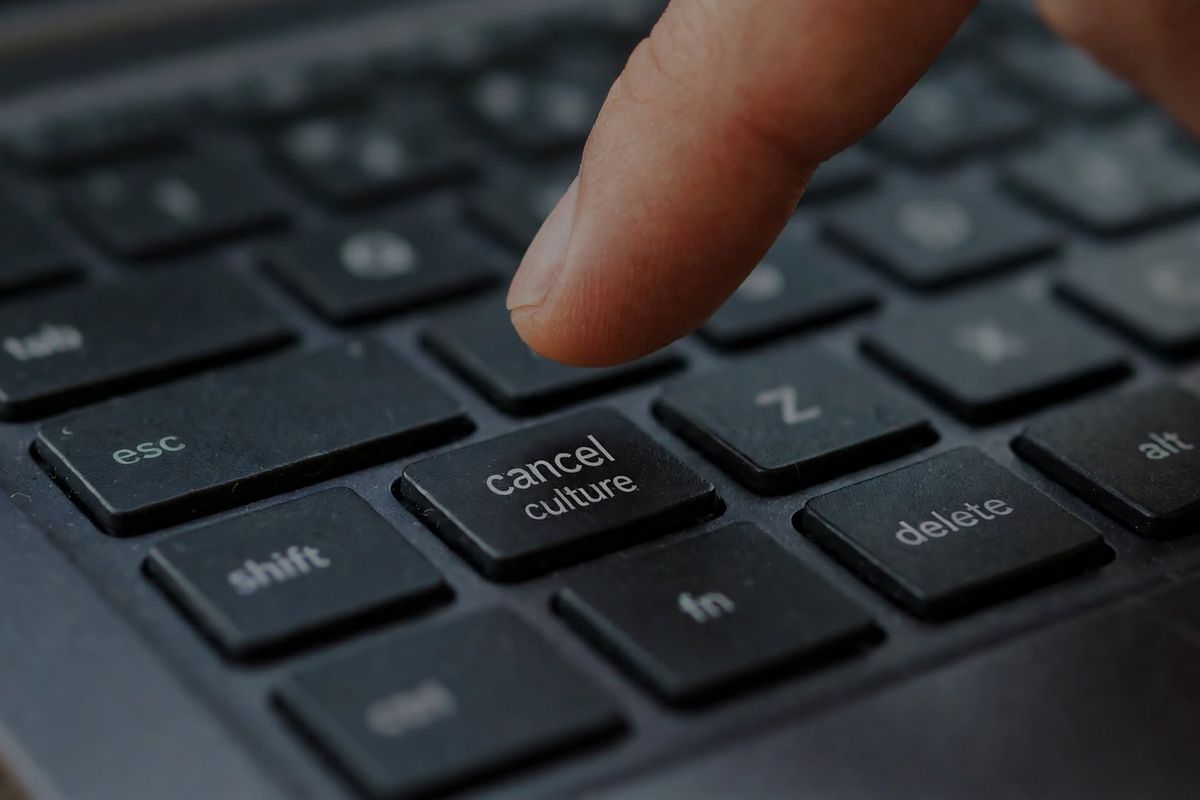
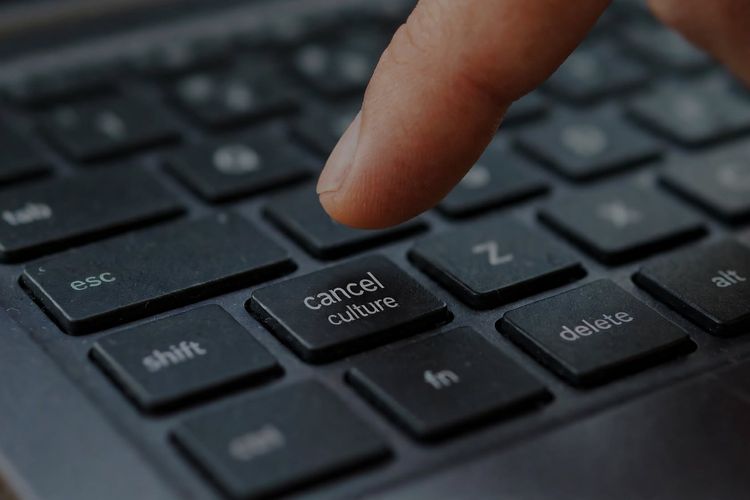
JAKARTA, KOMPAS.com - The public on social media sees cancel culture as a positive moral movement. How can we maintain the purity of cancel culture to prevent it from devolving into unhealthy persecution?
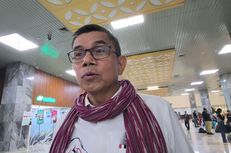
"Cancel culture has become widespread because its proponents perceive it as a positive moral initiative and communal solidarity," said Rizal Nova Mujahid, a senior analyst at the monitoring system and data analytics firm Drone Emprit, to Kompas.com on Thursday (5/11/2026).
The "cancel culture" is adopted by society when confronted with attitudes and actions of public figures, brands, or concepts that clash with community concerns.
Regardless of specific cases, cancel culture generally serves as a form of social control, but there is a risk that it could transform into unhealthy persecution.
Moreover, the torrent of information flowing on social media does not necessarily guarantee its veracity. Common sense, critical analysis, and verification processes are still essential; however, these steps require time and effort.
The concern is that cancel culture could foster mass unawareness amid an overload of information, leading to public anger being too easily mobilized, ultimately causing the real issues to fade away.
Additionally, the risk of misdirected actions does not disappear in this era of information openness.
So, how can we ensure that cancel culture does not morph into digital persecution?
Rizal Nova Mujahid from Drone Emprit suggests that society should focus on the substance of the issues being voiced. Cancel culture should not aim to destroy individuals.
Society, he says, needs to continuously remind and elevate its fundamental demands, whether those are environmental issues, economic justice, or transparency in public policy.
"Cancel culture or boycotts are merely a means of expressing discontent, not an end goal. If public figures or brands withdraw, apologize, or correct their actions, the public should open a space for education and reconciliation," Rizal asserted.
Similarly, sociologist Abe Widyanta from Gadjah Mada University (UGM) emphasizes that this new culture must be accompanied by critical digital literacy.
Cancel culture can evolve into a personal attack.
"To prevent cancel culture from turning into fascistic persecution, the public must shift their focus from personal attacks of an ad hominem nature to structural critiques," Abe explained.
Attacks should not destroy individuals. Instead, they should target injustices, power dynamics, and the exploitation that enable such celebrities to act without empathy.