

DPR Members Demand Polri to Uncover Key Actors in Scam Syndicate in the Philippines Involving 141 Indonesians
-
News
-
1 hour ago
This article was translated by AI. Read the original article on Kompas.com. See Original
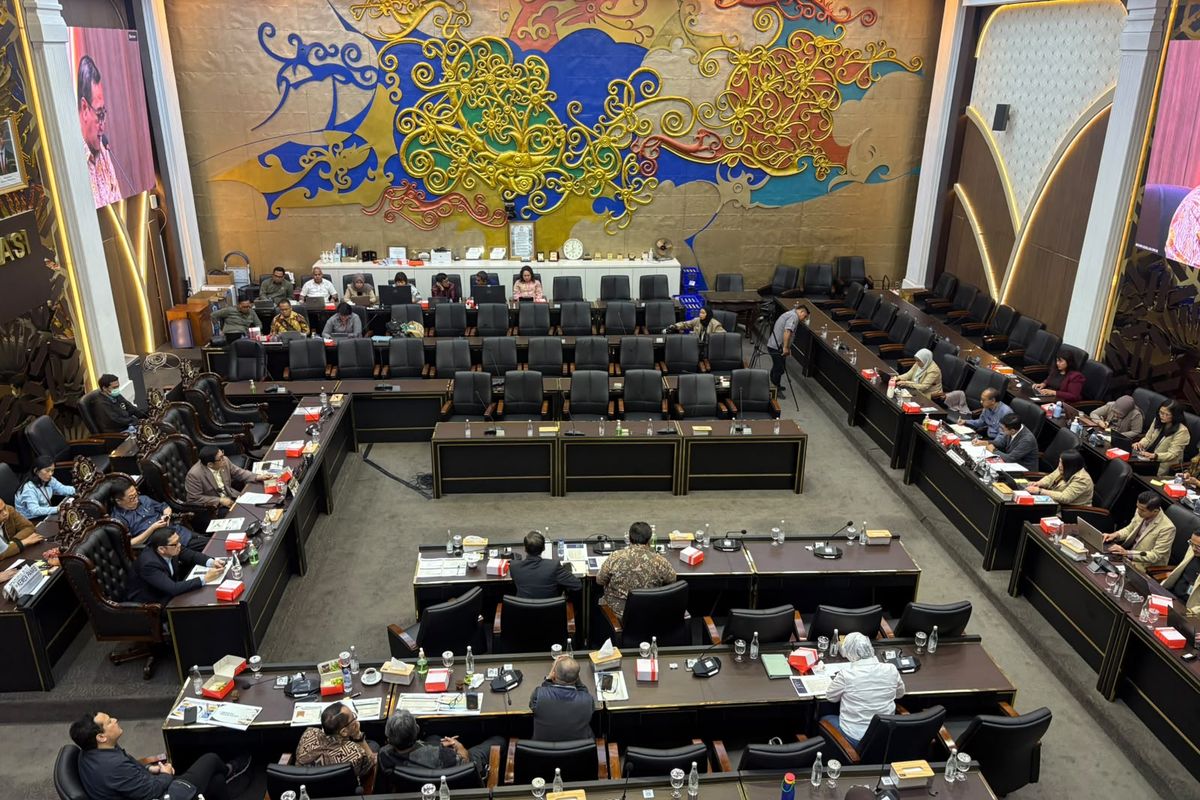
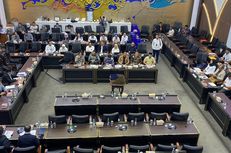
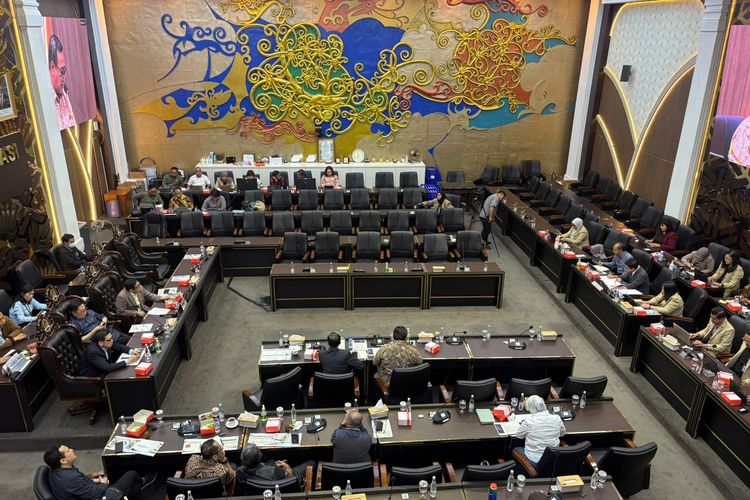
JAKARTA, KOMPAS.com - The Legislative Body (Baleg) of the Indonesian House of Representatives (DPR RI) has agreed on the nomenclature for the Draft Law (RUU) concerning Procedures for the Formation of Legislation.
This decision was made by Baleg Chairman Bob Hasan during a plenary meeting at the DPR RI Building on Thursday (5/11/2026), as the draft had previously been titled the RUU for the Formation of Legislation.
"This is the report on the preparation of the RUU concerning Procedures for the Formation of Legislation. Yes, the title now uses 'Procedures', right? Yes, okay," said Bob Hasan.
Bob then sought the approval of the meeting participants regarding the report on the preparation of the RUU.
"Can the report from the Chairman of the Working Committee be approved?" Bob asked.
The participants expressed their agreement, which was then ratified with a gavel tap.
Before the agreement was reached, the Chairman of the Working Committee for the RUU on Procedures for the Formation of Legislation, Iman Sukri, first presented the report on the discussions regarding the RUU.
He explained that the preparation of the RUU has undergone a process of public aspiration absorption through national seminars and focused discussion forums.
"The preparation of the RUU concerning Procedures for the Formation of Legislation has gone through a process involving stakeholders, such as public aspiration absorption through national seminars and consolidated discussion forums held at campuses or related institutions," Iman stated.
Iman noted that the Working Committee intensively discussed the content of the RUU during meetings on November 3, 4, and 5, 2026.
One of the agreed materials covers the stages of law formation, which include planning, drafting, discussion, approval, and promulgation.
Additionally, the RUU stipulates two procedures for law formation: the regular procedure and the fast track procedure.
"The law formation procedure can be conducted using either the regular or fast track procedure. The fast track procedure allows for the acceleration of several stages' timelines," Iman explained.
He detailed that the fast track procedure can be used under six conditions. First, for the ratification of specific international agreements that require immediate implementation.
Second, to follow up on Constitutional Court decisions (MK) that set deadlines for amending or replacing laws. Third, for limited amendments to the law's content.