

AGO Seizes 37 Kilograms of Gold Bars in Nickel Mine Boss Arif Kurniawan Case
-
News
-
Just now
This article was translated by AI. Read the original article on Kompas.com. See Original
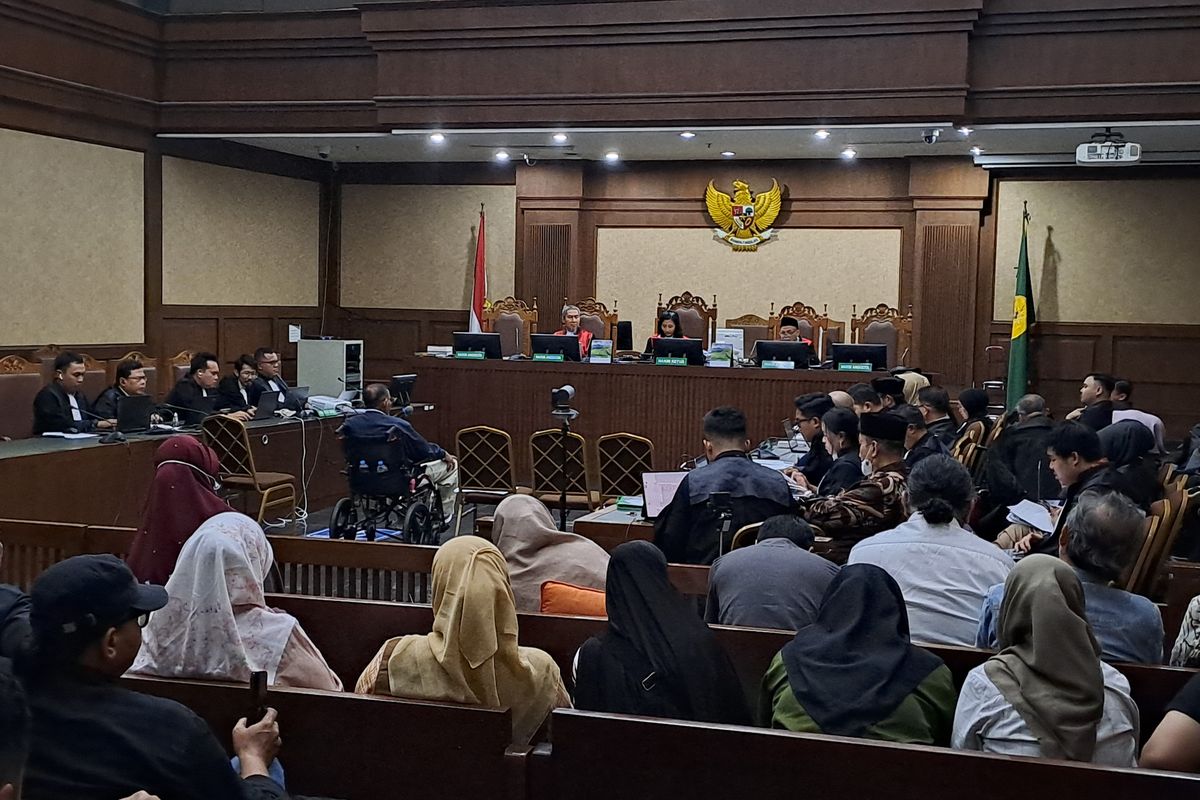
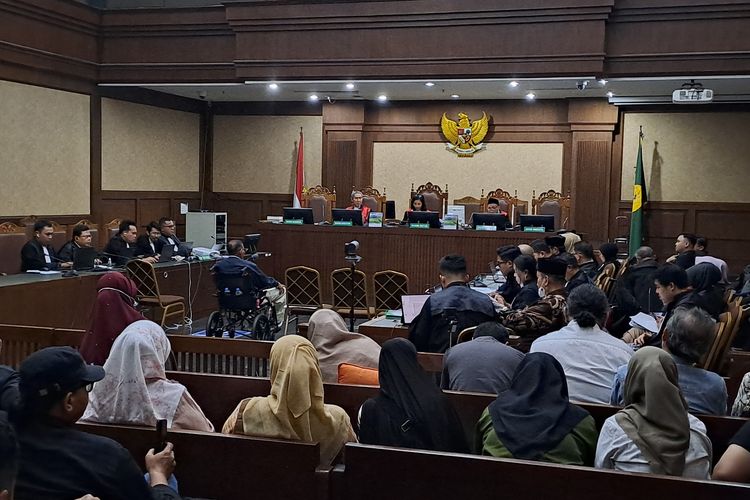
JAKARTA, KOMPAS.com - Criminal law expert Prof. Romli Atmasasmita stated that the Minister of Religious Affairs at the time, Yaqut Cholil Qoumas, has the authority to determine the distribution of additional hajj quotas for 2023-2024.
This assertion was made following his review of Article 9 of Law Number 8 of 2019 regarding the Organization of Hajj and Umrah.
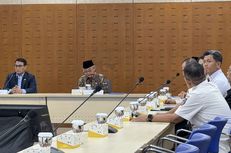
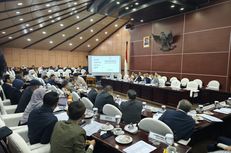
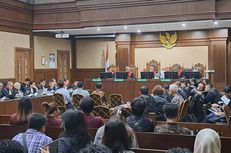
"The additional quota is not specifically regulated in the hajj law; it is left to ministerial regulations. This means that the minister can set the additional quota," Romli said during the trial of a corruption case related to the management of additional hajj quotas for 2023-2024 at the Central Jakarta Corruption Court on Thursday (5/11/2026).
Initially, Yaqut Cholil Qoumas' attorney, Dodi S. Abdulkadir, confirmed Romli's statement in the evidence presented during the investigation by the KPK.
In his testimony, Romli had previously highlighted the decision of the Minister of Religious Affairs Number 1156 of 2023, which allocated an additional hajj quota of 20,000, dividing it into 10,000 for regular hajj and 10,000 for special hajj.
However, the attorney then pointed out the provisions of Article 9 of Law Number 8 of 2019, which specifically regulates additional hajj quotas in Indonesia.
The article states that if there is an increase in the hajj quota after the minister has set the quota as stipulated in Article 8, the minister will set the additional hajj quota. Furthermore, the regulations concerning the filling of the additional quota will be determined by ministerial regulations.
Romli acknowledged that he was not shown the provisions of Article 9 when providing his statement to the investigators.
Dodi then asked whether the provisions of Article 9 affected Romli's earlier opinion that he had conveyed to the KPK investigators.
"I explained to clarify that the distribution of regular and special hajj quotas is regulated separately. However, if there is an additional quota, its regulation is entrusted to the minister," he said.
"Article 9 does not impose an obligation on the minister to adhere to the distribution of 92 percent for regular hajj and 8 percent for special hajj," he added.
Romli stated that there is no impact on his previous statement. However, he emphasized that the provisions of Article 9 need to be considered when assessing the minister's authority to set additional quotas.
"That depends on the panel of judges. In my opinion, Article 9 must indeed be considered to state that the minister has the discretion to create ministerial regulations, and it should not be shown that these regulations must conform to the 92 and 8 percent distribution," Romli said.
In this case, the KPK has charged four defendants, namely former Minister of Religious Affairs Yaqut Cholil Qoumas, former Special Advisor to the Minister of Religious Affairs Isfah Abidal Aziz alias Gus Alex, Operational Director of PT Makassar Toraja (Maktour) Ismail Adham, and the Chairman of Kesthuri as well as Commissioner of PT Raudhah Eksati Utama, Asrul Azis Taba.
The KPK alleges that this case has resulted in state losses of at least IDR 622.09 billion.
This figure is based on the Investigative Audit Report from BPK RI concerning the calculation of state losses related to Indonesia's hajj quota for the 2023-2024 hajj organization at the Ministry of Religious Affairs.
The losses consist of differences in receipts and expenditures of PIHK in organizing the 2024 hajj of IDR 438.2 billion, PIHK's revenue from selling the quota for special hajj officers in 2024 of IDR 39.95 billion, and fees for accelerating the filling of the additional special hajj quota in 2023 and 2024 of IDR 143.92 billion.
The defendants are charged with violating Article 3 in conjunction with Article 18 of Law Number 31 of 1999 concerning the Eradication of Corruption, as amended by Law Number 20 of 2001, in conjunction with Article 20 letter c of Law Number 1 of 2023 concerning the Criminal Code.