JAKARTA, KOMPAS.com - The Central Executive Board of
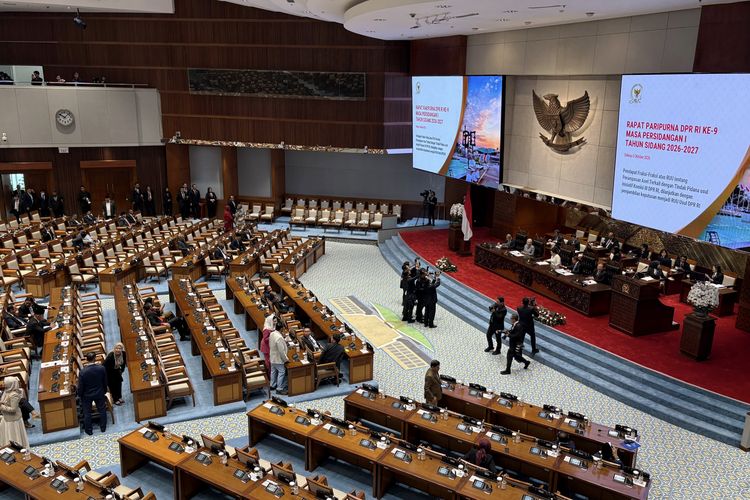
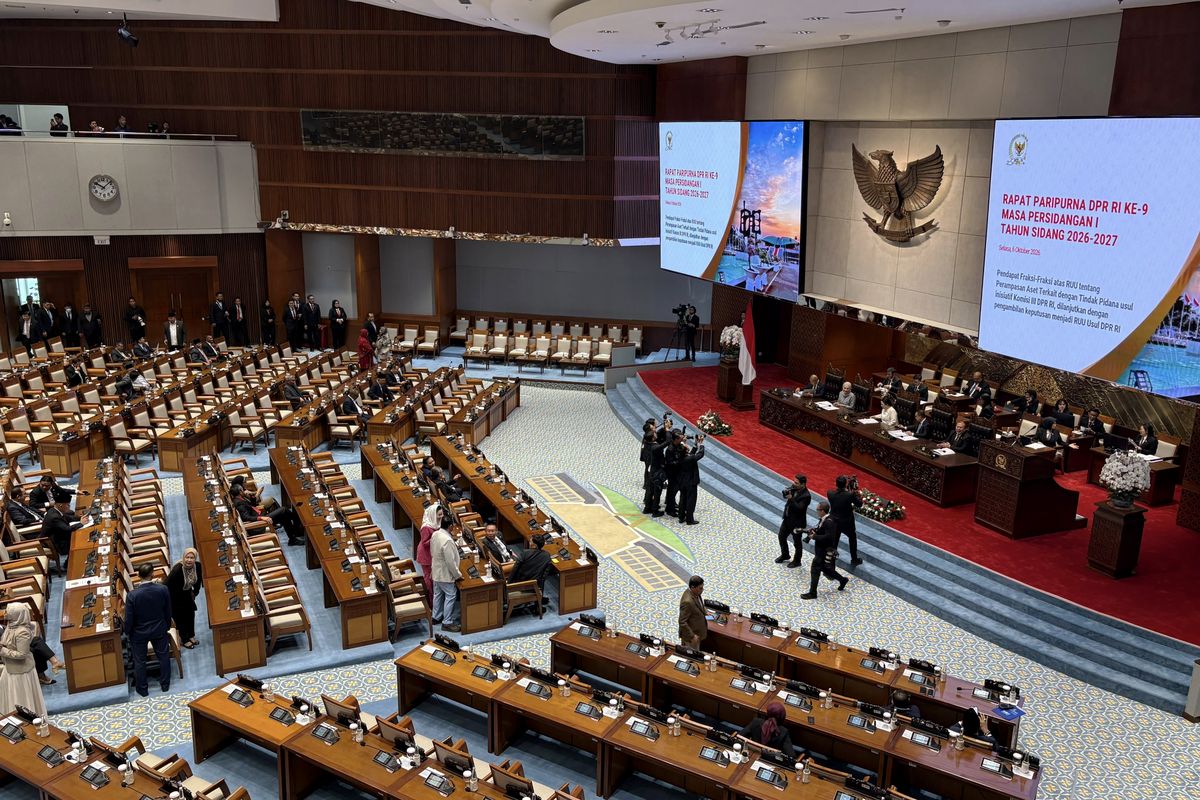
KASBI (Indonesian Trade Union Alliance Congress) has highlighted the approval process of the Employment Protection Law by the Indonesian House of Representatives (DPR RI) during a plenary session on October 6, 2026, which has been deemed non-transparent.
"KASBI has not received an official copy of the law and is uncertain about the final text that was approved," said KASBI’s Chairman Sunarno in a statement on Wednesday (November 4, 2026).
Sunarno urged lawmakers to ensure transparency and not limit public access to legal products.
According to him, the approval of a law is not the end of their political and legal responsibilities to the public.
"The process must not stop at a mere political approval ceremony in the assembly hall," he asserted.
He explained that when regulations pertain to employment relations, wages, internships, layoffs, outsourcing, severance pay, platform workers, vulnerable workers, and the enforcement of labor law, workers have the right to know the full rules that will be enacted.
The DPR RI and the Government cannot merely state verbally that the law has been passed and that it accommodates the demands of labor unions.
"The final text should be accessible, reviewed, and understood by the public, especially by the workers who will be directly affected by the law's regulations," he emphasized.
In response to this situation, KASBI demanded that the DPR RI and the Government immediately provide official copies of the Employment Protection Law to KASBI and all labor unions in Indonesia, and ensure that the approved final text is publicly accessible.
Secondly, KASBI demands transparency regarding the follow-up on the input and requests made by labor unions, including explanations for proposals that were accepted, modified, or rejected, as part of fulfilling the principles of right to be heard, right to be considered, and right to be explained.
Thirdly, KASBI demands strengthening penalties and enforcement of labor laws, including violations of employment relations, misuse of outsourcing, obligations for severance pay, as well as violations of the rights of platform workers and vulnerable workers in other sectors, such as healthcare, education, tourism, agriculture, mining, transport, domestic workers, maritime and fisheries, restaurants, hospitality, creative industries, arts, media, etc.
Fourthly, KASBI also demands enhancing labor oversight through institutional mechanisms, resource allocation, complaint mechanisms, and effective law enforcement so that worker protection does not remain just written norms that cannot be executed in practical law enforcement.