

The Absurdity of Logic: Treason for the Police Chief’s Chair?
-
News
-
1 minute ago
This article was translated by AI. Read the original article on Kompas.com. See Original
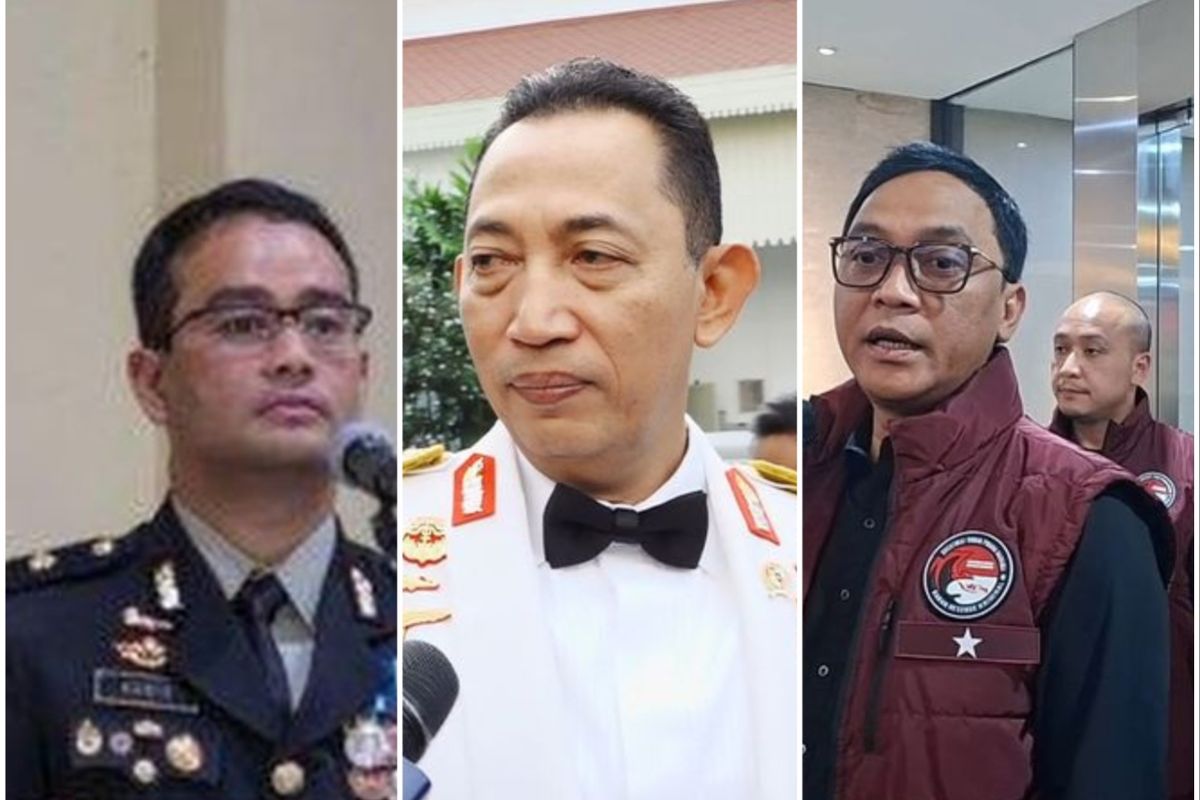
CASE of the wiretapping of the president involving former high-ranking police officials and several active generals (if proven) is more than just a security breach.
It is an explosion that shakes the very foundations of the state.
There are two serious issues that deserve attention in light of this shocking event.
First, if the head of state’s communications can be intercepted, it signifies that the republic's defenses have been breached.
Second, if the perpetrators are from the internal power network, then there exists a deeply serious and divisive loyalty issue among officials that threatens the sovereignty of governance.
When officials who are formally under the current president still feel bound by personal, political, or patronage loyalty to previous leaders, the government faces significant problems.
The transition of presidents should mark a clear transfer of governmental authority.
The state must not have two paths of influence or dual loyalties. The people's mandate should not be overshadowed by patronage, closeness, and the shadows of old power.
The sitting president holds the mandate of governance.
They have the authority to determine policy direction, control the cabinet, appoint and evaluate officials, and ensure that all state apparatus operates based on a legitimate government agenda.
There should be no doubt about who holds the reins of control.
The grave danger to governance arises when officials fear disappointing their former leaders more than they fear violating the directives of the current president, or when governmental decisions are tailored to safeguard the interests of the old network.
Similarly, when the formal authority of the new president is continually restricted by centers of influence that lack constitutional mandate.
In such circumstances, officials face two orientations of power. Administratively, they are under the current leader's authority.
However, politically, they might still feel indebted to the previous leader.