

The Story of Prabowo's Meetings with Trump, Putin, Xi Jinping: From Praise to Investments
-
News
-
14 minutes ago
This article was translated by AI. Read the original article on Kompas.com. See Original
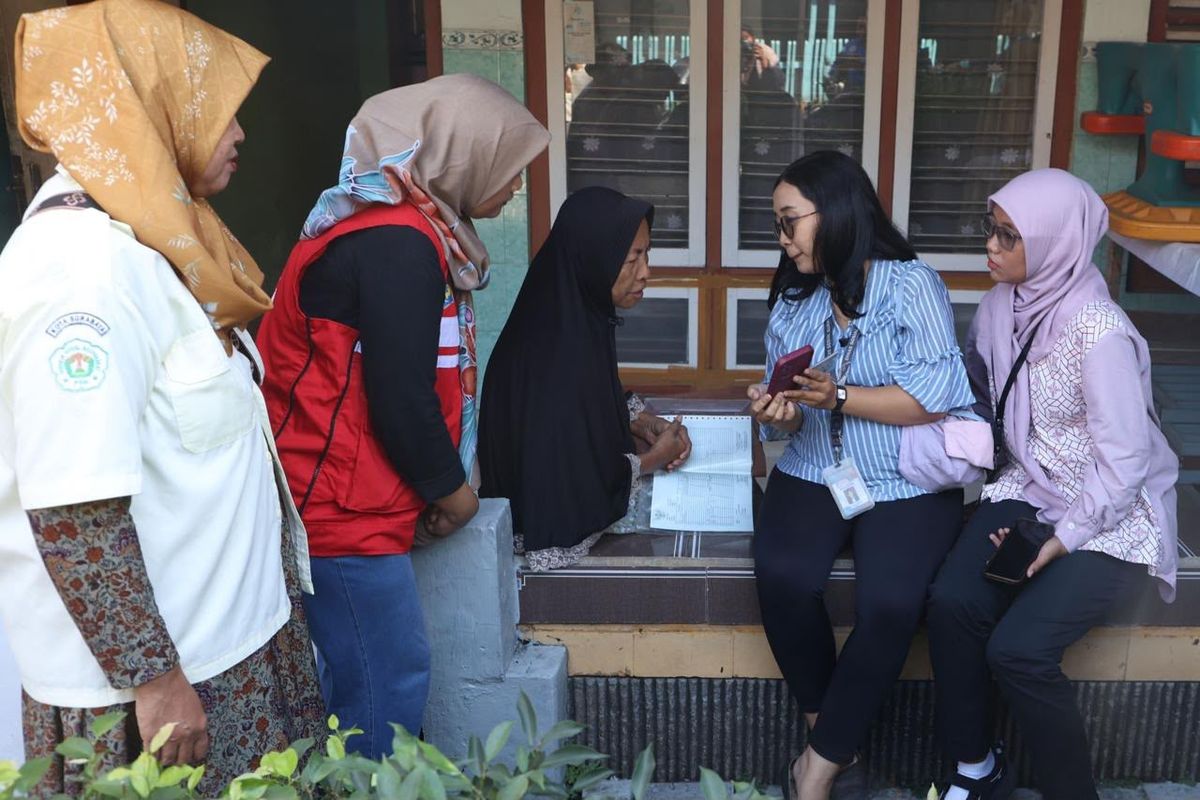
JAKARTA, KOMPAS.com - The government will begin distributing cash social assistance (bansos) digitally starting November 10, 2026.
This digital welfare program is expected to improve the accuracy of assistance distribution, ensuring that only the lowest-income segments of society benefit from these funds.
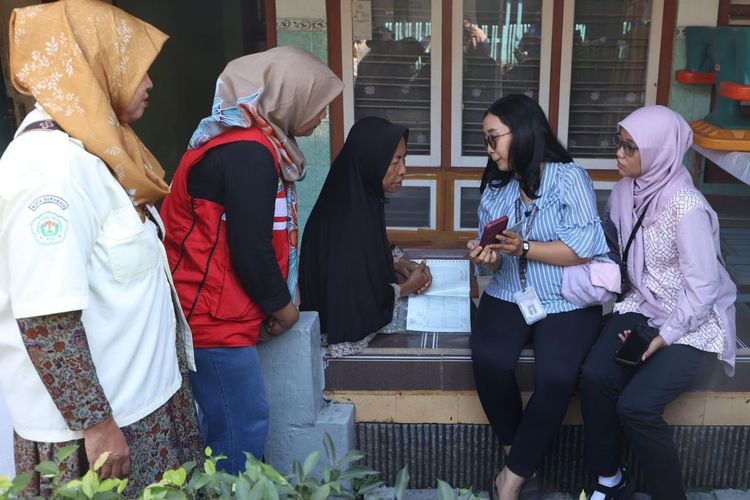
Social Minister Saifullah Yusuf, also known as Gus Ipul, stated that a re-registration mechanism will be implemented to ensure aid reaches the intended recipients, whether through self-registration or assistance from agents.
As of Friday, October 23, 2026, 13.2 million families have registered for the Digital Welfare Program, though not all are categorized as eligible.
The government will conduct verification and checks to determine the eligibility of potential recipients.
The data utilized will not only be based on names and addresses but will also incorporate biometric technology, including facial recognition, to support identity verification of the recipients.
"Thus, we are re-registering while also providing the opportunity for the public to sign up," said Gus Ipul at the end of October 2026.
On the other hand, the digitalization of social assistance raises concerns about the potential for personal data breaches.
Incidents of data leaks have occurred multiple times within the government itself.
Alfons Tanujaya, a cybersecurity expert from Vaksincom, noted that hacking could happen due to the re-registration mechanism through the provided website, which may lack adequate security measures.
"The re-registration mechanism via the web portal is at risk of becoming a honeypot or an easy target for hacking if its security architecture is not robust," Alfons told Kompas.com on Friday, October 30, 2026.
Alfons emphasized that potential data leaks could also occur at the temporary agency level, specifically with the digital welfare facilitators.
The risk becomes more pronounced given the low digital literacy among the public.
Many individuals easily provide sensitive data such as their National Identification Number (NIK), ATM card numbers, PINs, and OTP codes.
Such information should not be shared with others.