
DKPP Hearing: KPU Denies Restrictions on Silon Access to Bawaslu
-
News
-
3 minutes ago
This article was translated by AI. Read the original article on Kompas.com. See Original
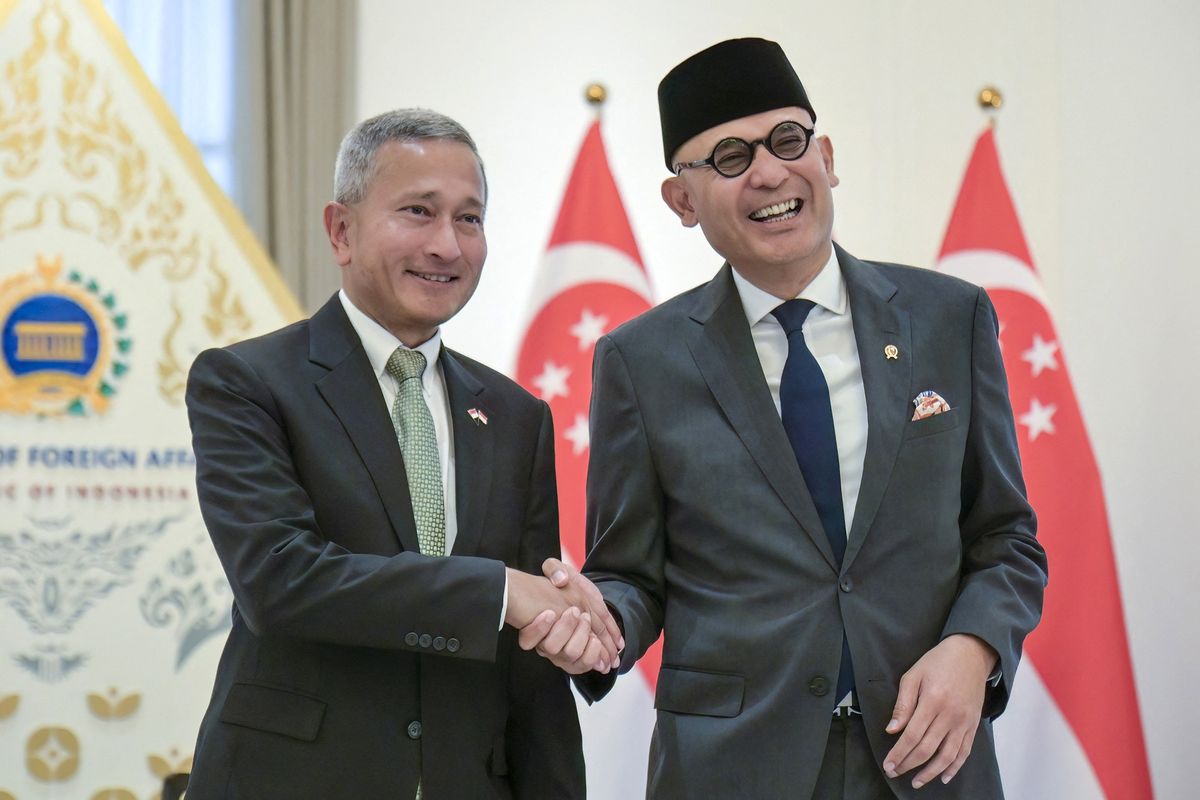
JAKARTA, KOMPAS.com - Irawan Jati, an International Relations lecturer at the Islamic University of Indonesia (UII), outlined several urgent tasks that the Indonesia-Singapore joint task force (Satgas Karhutla) must address regarding forest and land fires.
"The urgent tasks for this task force include fire extinguishing (fire fighting) and prosecuting offenders (legal fighting)," Jati told Kompas.com on Sunday (November 1, 2026).
Jati emphasized that the task force must ensure that all hotspots and fire outbreaks on the surface and in the peatland are extinguished to stop the smoke pollution that affects health.
"With the onset of the rainy season, this work will certainly progress faster, aiming to demonstrate impactful performance," he said.
Jati added that the task force should proceed with criminal legal proceedings for those suspected of land burning.
In this regard, it is crucial to emphasize corporate criminal responsibility.
Historically, court rulings have often sentenced individual offenders, such as farmers, landowners, and workers.
Meanwhile, corporations have merely faced civil penalties by paying compensation and recovery fees.
"In fact, several corporations have even been acquitted of charges in appellate courts," Jati stated.
Thus, the task force must continue the criminal legal process for those suspected of land burning.
However, he expressed skepticism about the effectiveness of the task force, which was established rapidly.
Firstly, the task force mainly facilitates cooperation and information sharing regarding companies suspected of violating the law.
"This means the task force does not have the authority to recommend prosecution for the arsonists. Its powers are limited to 'facilitating and sharing information,'" Jati remarked.
Secondly, he pointed out the limitations in the task force's authority, noting the absence of terms of reference or legal basis for its formation and an undefined timeline for its tasks.
According to Jati, a legal basis is crucial to determine the scope of the task force's authority and the depth of information it should analyze.