
Who is Suitable to Accompany Prabowo? Observers Highlight Various Vice Presidential Criteria
-
News
-
3 minutes ago
This article was translated by AI. Read the original article on Kompas.com. See Original
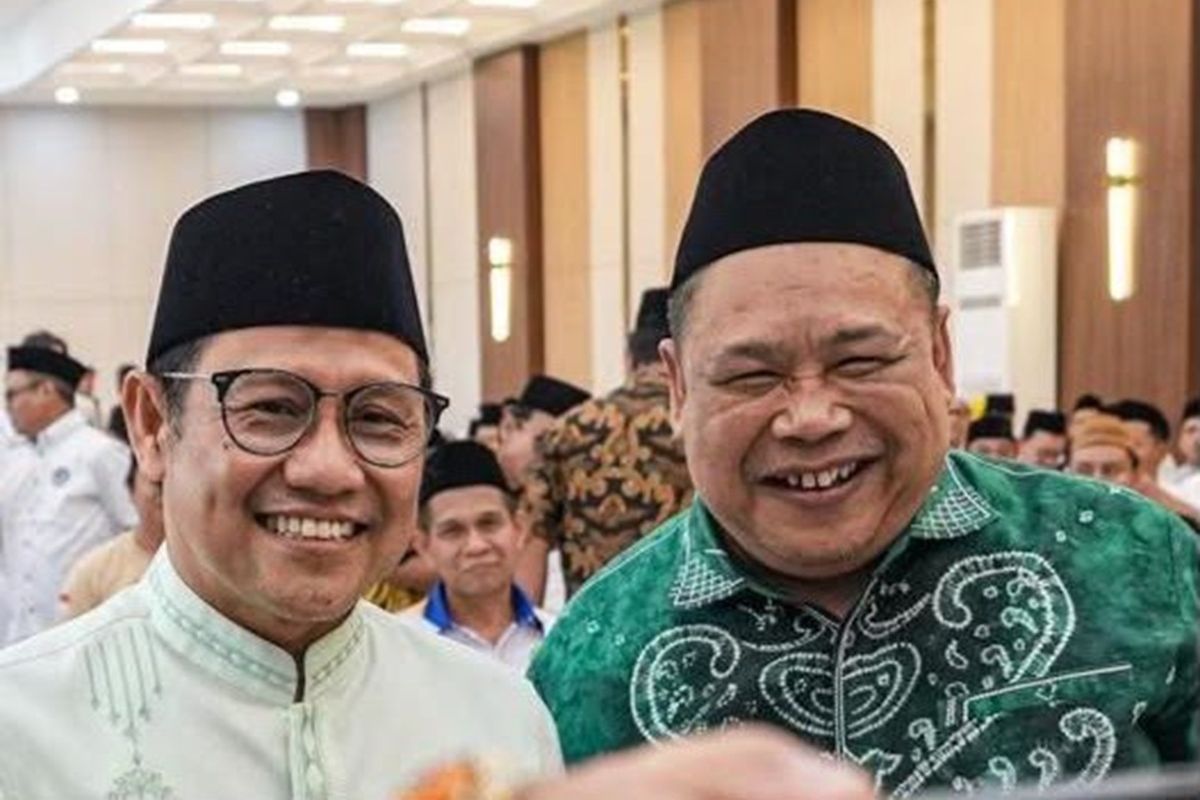
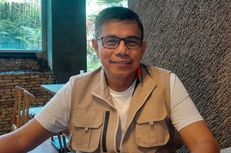
Behind his organizational journey, Fathan had life experiences that shaped his compassion for others.
Born in Demak on February 11, 1970, Fathan grew up in a modest family. His father was a religious teacher and a civil servant with a limited income.
Fathan once attended an IAIN (State Islamic Institute) in Central Java but was only able to stay for two semesters due to his family's financial situation, which forced his father to stop financing his education.
He then moved to Jakarta, armed with knowledge and courage. An opportunity to continue his education arose when Fathan received a scholarship.
This experience made Fathan aware of the challenges faced by children from less fortunate families in accessing education, especially those from pesantren (Islamic boarding schools).
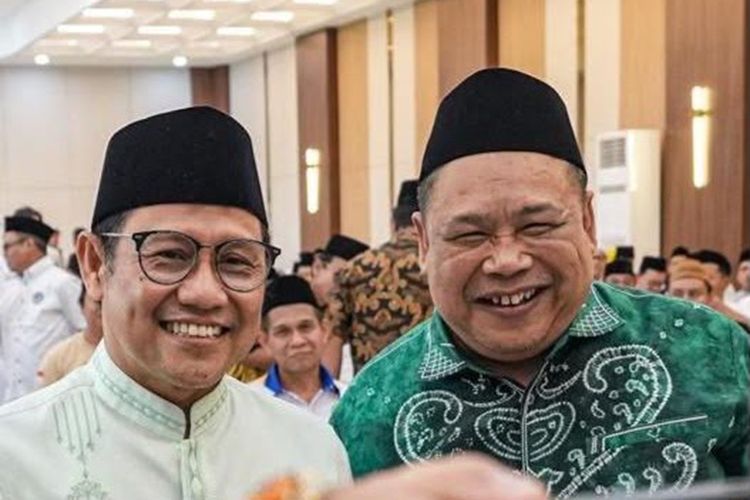
Cak Imin shared that Fathan never forgot the assistance that enabled him to return to school. This experience also motivated him to help young people facing similar difficulties.
In his tribute, Cak Imin recounted a story from Fathan's father about how their family's economic situation improved after Abdurrahman Wahid, or Gus Dur, became president. The salary increases for civil servant teachers at that time gradually improved Fathan's family's previously limited living conditions.
For Cak Imin, this experience demonstrates that political decisions can have direct impacts on people's lives.
"Politics is not just about seats; it is about whether decisions made in Jakarta reach the kitchens of religious teachers in Demak. That is what Gus Dur fought for, and that is what we carry into PKB," he wrote.
According to Cak Imin, Fathan will be remembered not only for the positions he held but also for his compassion towards those around him.
He shared numerous stories about people whom Fathan had helped, including young students who nearly dropped out of school due to financial constraints yet received help without knowing who assisted them.
Fathan also aided young couples facing domestic problems and individuals he had just met.
Cak Imin emphasized that Fathan never made kindness a matter of public announcement. He helped others without expecting anything in return, just as he had once received help to continue his education.
"He had once been helped, and then chose to become a helper. He did not want other young Fathans to return to their villages with extinguished dreams," wrote Cak Imin.
Cak Imin noted that many students in various regions possess the ability and enthusiasm to learn, but are at risk of being unable to continue their education due to financial limitations.