
DKPP to Hold Hearing on Allegations of Ethical Violations Related to Gibran in the 2024 Presidential Election
-
News
-
3 hours ago
This article was translated by AI. Read the original article on Kompas.com. See Original
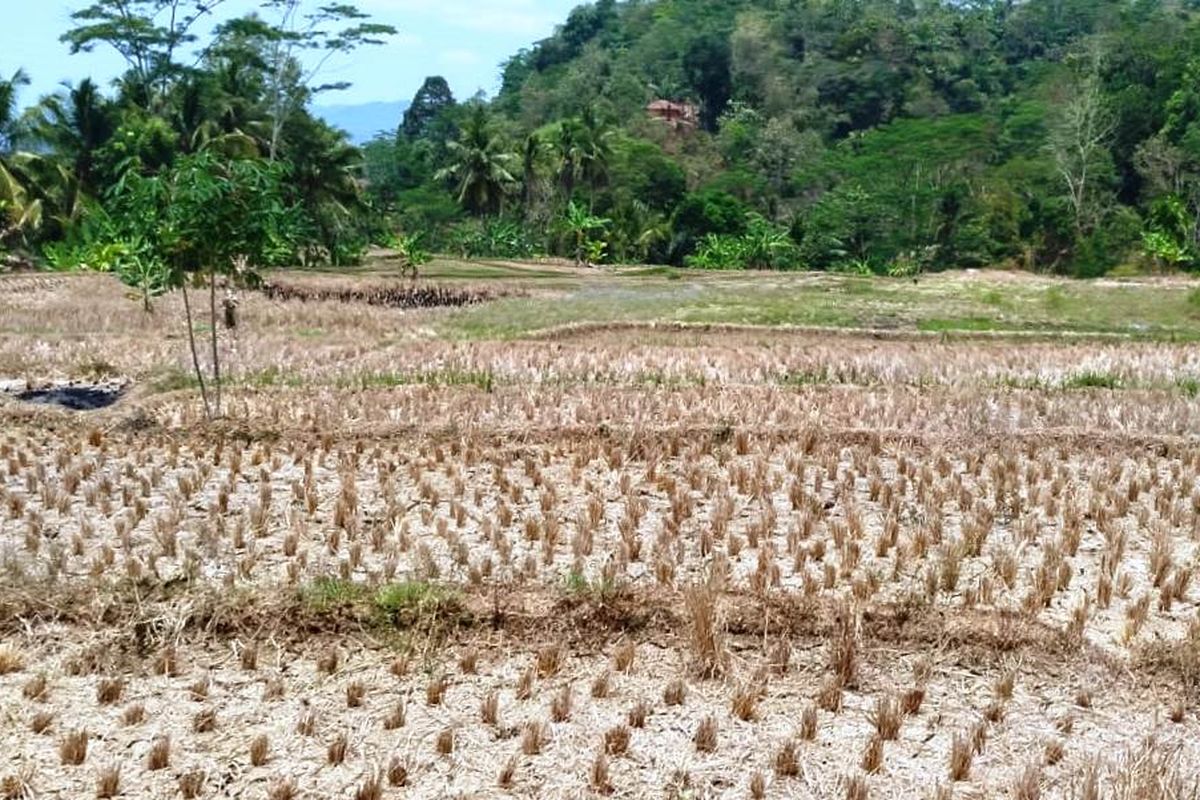
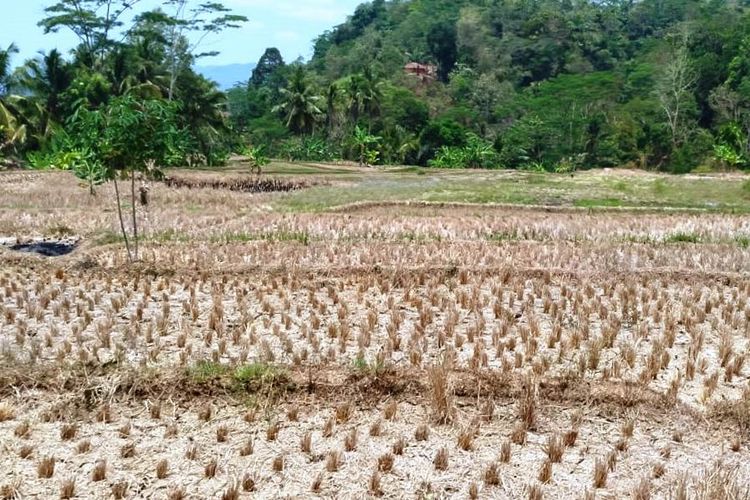
WHEN El Niño threatens agriculture, our attention usually turns to water availability, irrigation improvements, pumping, and fertilizer assistance.
All of these are important. However, there is one question that rarely receives equal attention: can farmers face the threat of climate change while simultaneously reducing their dependence on chemical fertilizers and curbing greenhouse gas emissions?
This question brings us to the Low-Cost Substantial Rice Fields (SPM), an innovative rice cultivation practice developed in Agam Regency, West Sumatra.
This approach aims to reduce production costs by utilizing straw, managing water, minimizing soil disturbance, and limiting the use of chemical fertilizers and synthetic pesticides.
The concept is simple, but its consequences could be far broader than just saving farmers' expenses.
Amid the 2026 El Niño threat, this idea becomes increasingly relevant.
The Indonesian Meteorology, Climatology, and Geophysics Agency (BMKG) warned in September 2026 that El Niño is at very strong intensity and the start of the 2026/2027 rainy season is expected to be delayed in many parts of Indonesia.
In such circumstances, food security cannot simply be established by ensuring agricultural inputs are available.
We also need to evaluate whether the farming methods used so far are efficient enough in utilizing water, nutrients, and resources around the land.
SPM offers one avenue for addressing that question.
According to the guidelines from the Agam District Agricultural Office, rice fields do not need to be constantly flooded; the soil is kept moist, straw is utilized as mulch, and the use of chemical fertilizers can be reduced.
The principle is not to ban all chemical fertilizers, but to minimize dependence on synthetic inputs as much as the land's conditions and plant needs allow.
Here lies the controversy surrounding SPM. For years, chemical fertilizers have been an essential part of the rice production system.
The availability and pricing of these fertilizers concern both farmers and the government. However, if a cultivation system can sustain yields with less fertilizer, then the pattern of demand for these production requirements is likely to change.
Such innovations can disrupt longstanding habits—even the economic interests that have developed around them.