
The Burden of Treason on Listyo
-
News
-
4 minutes ago
This article was translated by AI. Read the original article on Kompas.com. See Original
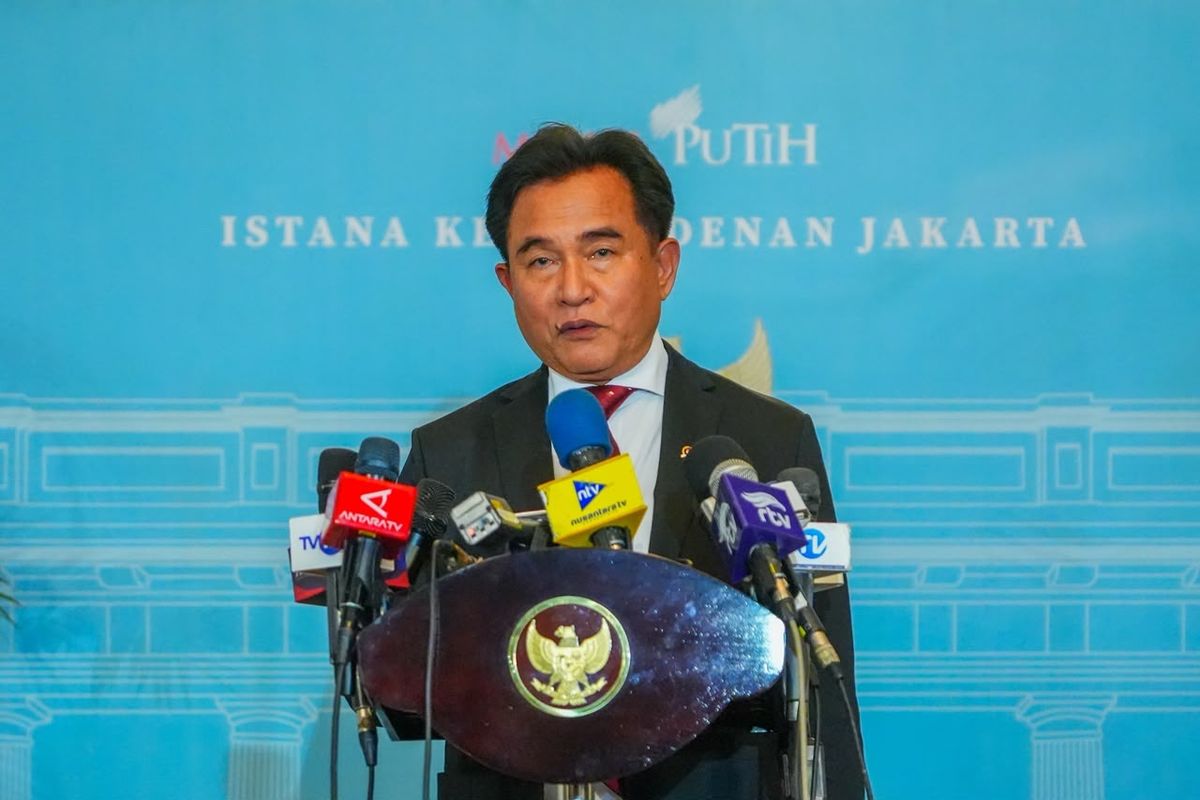
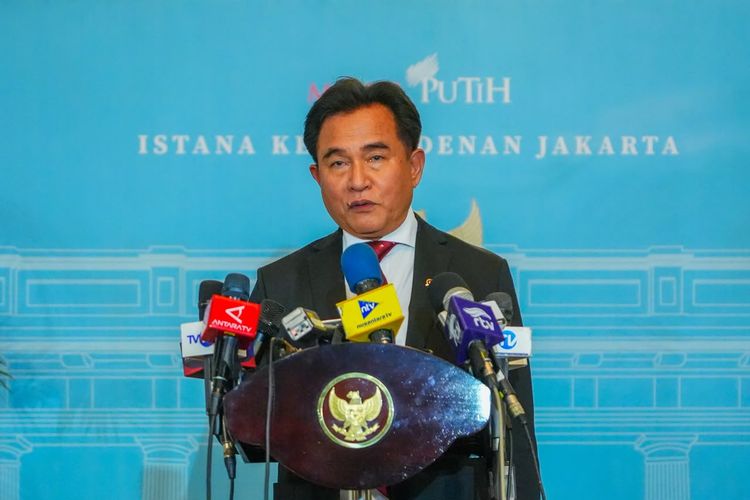
JAKARTA, KOMPAS.com - Coordinating Minister for Law, Human Rights, Immigration, and Correctional Affairs Yusril Ihza Mahendra believes that practices such as under-invoicing and fish theft fall under the definition of corruption due to their economic impact on the country.
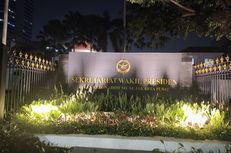
"So, if someone engages in fish theft or under-invoicing in mining, it clearly harms the country's economy. That should also be classified as corruption," Yusril stated at the Presidential Palace Complex in Jakarta on Monday (26/10/2026).
Under-invoicing refers to trading fraud where businesses report export or import values lower than the actual transaction value.
Yusril acknowledged discussing under-invoicing during a meeting with President Prabowo Subianto at the Palace today.
He pointed out that the perpetrators of under-invoicing are committing significant theft of natural resources.
He cited the example of a company extracting natural resources of up to 20,000 tons, while only reporting production of 10,000 to 15,000 tons.
Yusril noted that such practices generate hundreds of trillions of rupiah annually, with profits benefiting foreign entities.
"Let us not overlook activities like under-invoicing and fish theft at sea, which effectively drain our nation's wealth," Yusril emphasized.
He suggested that there is a need for improvements in the existing Corruption Law.
According to him, clarifying the issues of state loss and national economic impact in the legislation is essential.
"First, there should be elements of state loss, and second, the impact on the national economy. I believe the latter is still underdeveloped," he remarked.
Additionally, Yusril indicated that the Corruption Law requires revision, especially since a new Criminal Code and Criminal Procedure Code have been established.
Moreover, the government is in the process of formulating an Asset Forfeiture Law, which needs to be synchronized with the Corruption Law.
"I believe there is a genuine need for revisions in line with our updated Criminal Code and Criminal Procedure Code, as well as the ongoing discussions on the Asset Forfeiture Bill. Therefore, synchronization with the existing Corruption Law is imperative," he explained.
On a different note, Yusril pointed out that many aspects of the United Nations Convention Against Corruption (UNCAC) that can be categorized as corruption are not implemented in Indonesia.
"Conversely, certain actions considered corruption by us are not classified as such by the UN Convention. Therefore, alignment and harmonization are indeed necessary," Yusril concluded.