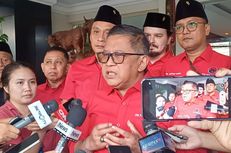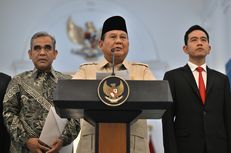

Gibran, PDI-P, and Old Wounds from the 2024 Presidential Election
-
News
-
39 minutes ago
This article was translated by AI. Read the original article on Kompas.com. See Original
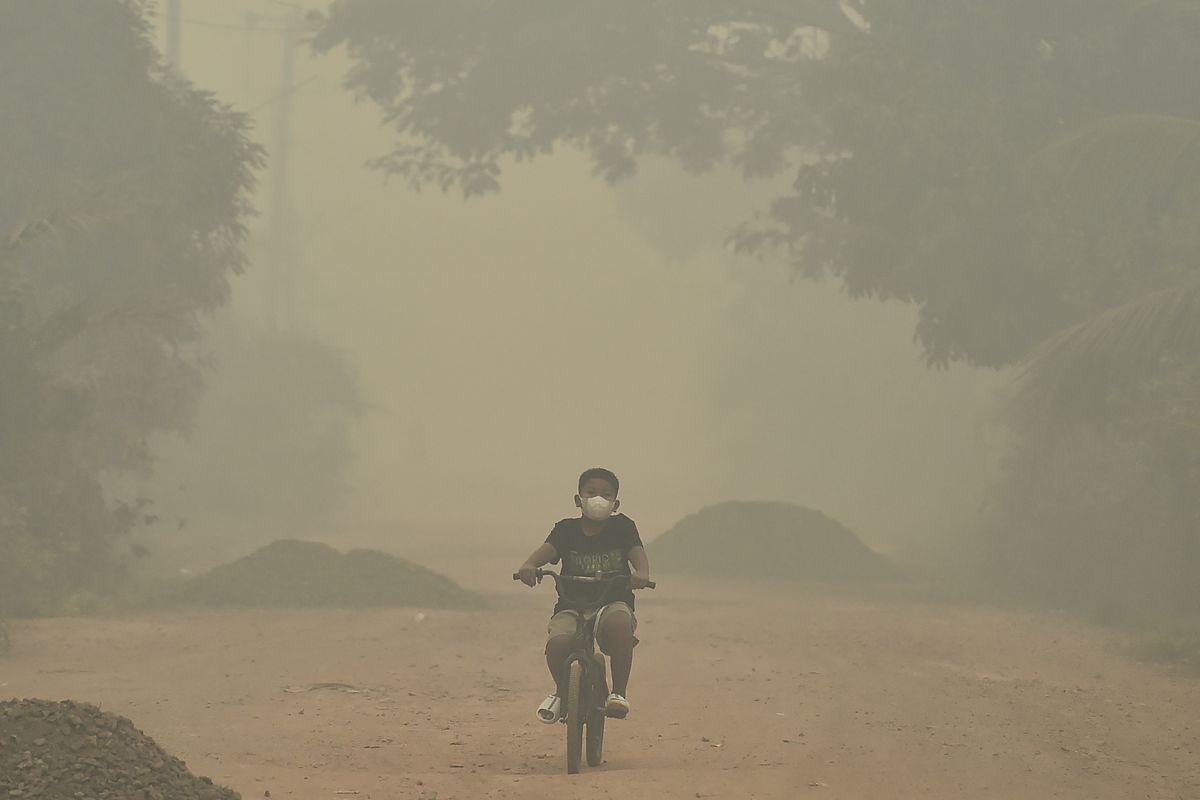
OFTEN, we as an ordinary society do not fully understand how forests, which are considered a source of health for breathing, can suddenly have adverse effects.
Especially for children. They only know the term in today's adult life, namely forest and land fires (Karhutla).
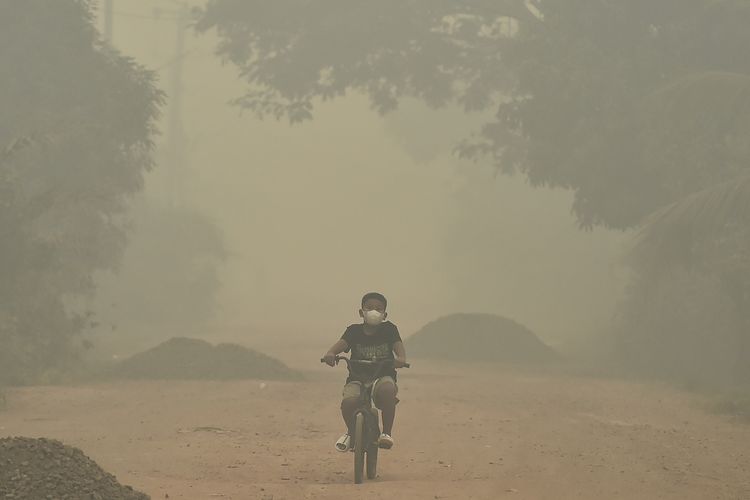
However, when that term becomes widely discussed, at the same time they notice something strange about the air around them. When they take a breath, they cough, along with other harmful impacts.
In fact, they also hear that in this country, there are always promises to ensure children grow up as the nation's future saviors. Yet the reality is, even the simple act of breathing remains a gamble.
We promise a golden generation, yet we allow some children to pass their developmental years inhaling smoke from burning forests and land.
Data from the Ministry of Health indicates that cases of Acute Respiratory Infections (ISPA) have reached over 300,000. Alarmingly, among these, there are 75,172 cases in children under five.
Not only from a health perspective, we as humans who need to breathe understand that smoke from fires poses serious risks to respiratory health. Especially for children.
Children are a very vulnerable group because their organs and immune systems are still developing. Growing bodies are forced to face an environment destroyed by adults.
This concerning condition does not stop at the accumulation that shapes those numbers.
Behind those numbers, there are families who lose their peace of mind. There are jobs that must be abandoned. There are travel expenses to health facilities and anxiety when a child's cough does not subside.
This kind of loss rarely gets the same spotlight as reports about how many hectares of land have burned.
Moreover, many children’s learning activities at school are disrupted, which are then ‘saved’ by distance learning. Even though they learn remotely, they still breathe the same damaged air.
Under these circumstances, the state must be aware and serious about preventing these recurring events.
The calculations are not merely about how many hectares have burned. One hectare can be mapped, but how do we measure a mother's fear when her child struggles to breathe?
How do we gauge the loss of security when the air around their home becomes a threat? Even more tragic, there is no price that can compensate if lives are lost.