

Prabowo Orders Minister to Provide Full Scholarships for Children of Fallen Karhutla Volunteers
-
News
-
24 minutes ago
This article was translated by AI. Read the original article on Kompas.com. See Original
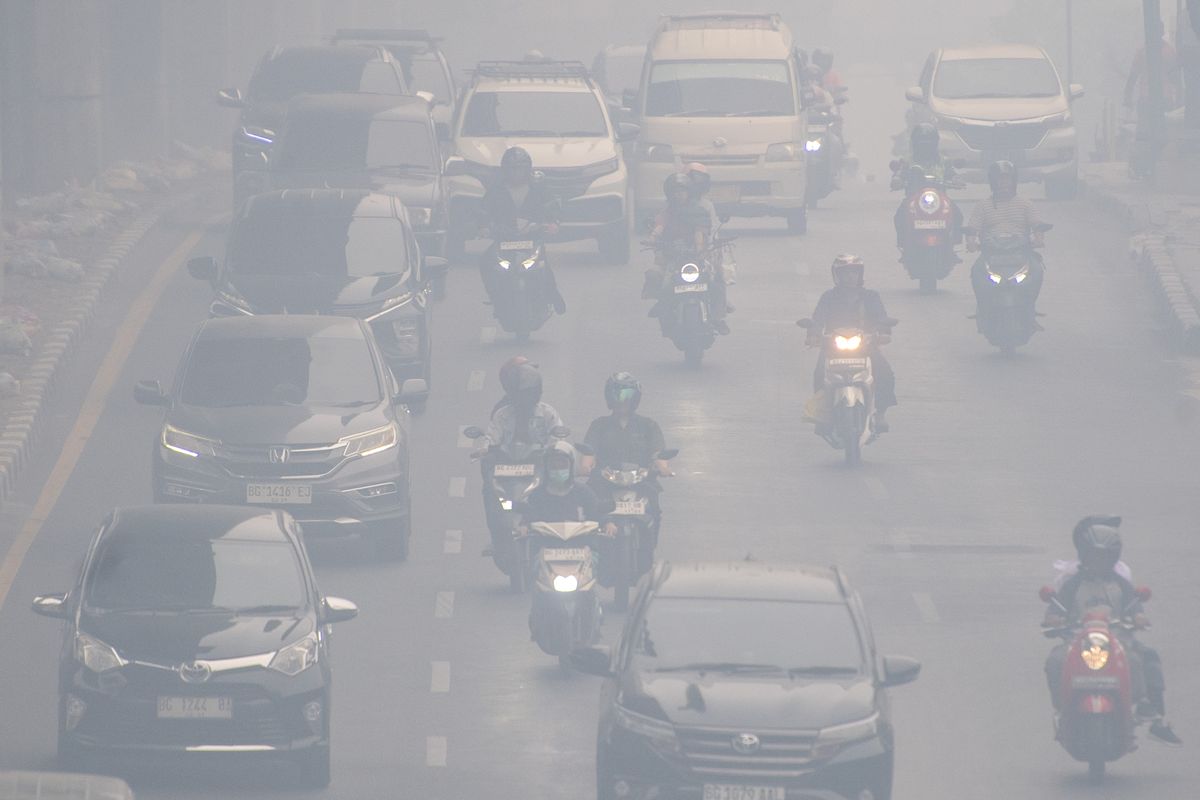
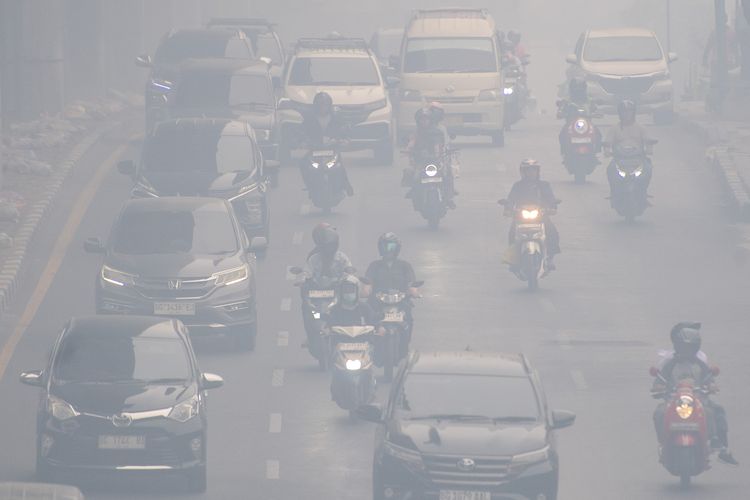
DRY SEASON is worsening forest and land fires (Karhutla), yet leaders appear indifferent.
Health issues, particularly respiratory infections, threaten residents, especially toddlers and children who are most vulnerable.
Moreover, Karhutla poses risks to ecological integrity, threatening endemic species like orangutans and proboscis monkeys in Kalimantan, as well as elephants and Sumatran tigers.
This year's Karhutla is not merely a seasonal occurrence that can be dismissed once the rains arrive. Fires have ravaged forest areas, disrupting ecosystems, economic activities, and forcing millions to live under the threat of polluted air.
In September alone, the Ministry of Health recorded an increase in patients with respiratory issues due to smoke, from 50,891 on September 1 to 113,336 on September 9, 2026 (Kompas.com, September 17, 2026).
Meanwhile, the Ministry of Environment cited Celios's estimate that around 1.78 million people might experience respiratory issues, with expected healthcare costs burdening communities reaching Rp 9.75 trillion (KLH, September 27, 2026).
Behind these numbers are infants inhaling contaminated air, children missing educational opportunities, parents struggling to breathe, and families bearing healthcare costs.
The ecological threats are also evident. Fires have reached Tanjung Puting National Park, a crucial habitat for orangutans in Kalimantan.
The Ministry of Forestry had to bolster firefighting operations around areas adjacent to orangutan feeding locations.
In West Kalimantan, 24 wild animals were rescued from August 1 to September 10, 2026, including 15 orangutans and one proboscis monkey (Ministry of Forestry, 2026).
In Sumatra, fires in the Kerumutan Wildlife Sanctuary, Riau, threaten one of the habitats of Sumatran tigers.
The destruction of forest landscapes also constricts wildlife habitats, increasing the risk of human-wildlife conflicts and disrupting ecological balance that requires a long time to recover.
The smoke has spread to neighboring regions and countries, prompting protests from those nations, including a member of the Malaysian Parliament who communicated in Javanese.
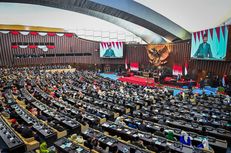
Kalam Salan, a member of Malaysia's House of Representatives from Sabak Bernam, criticized President Prabowo Subianto during a parliamentary session on October 21, 2026.
He deliberately used Javanese to appeal to the Indonesian government to immediately stop the fires that make breathing difficult for citizens of both countries.