

Gibran, PDI-P, and Old Wounds from the 2024 Presidential Election
-
News
-
9 minutes ago
This article was translated by AI. Read the original article on Kompas.com. See Original
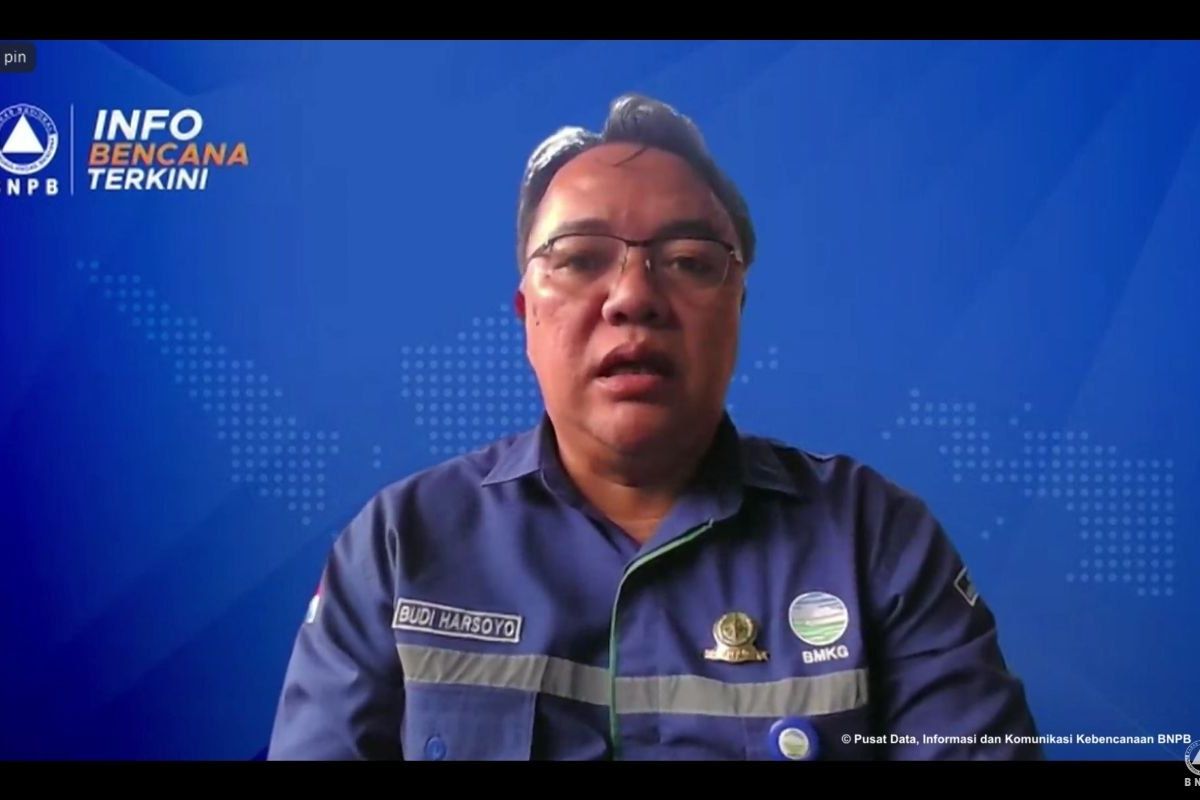
JAKARTA, KOMPAS.com - Weather modification operations aimed at addressing forest and land fires (karhutla) in Central Kalimantan have not yet yielded optimal results in improving visibility.
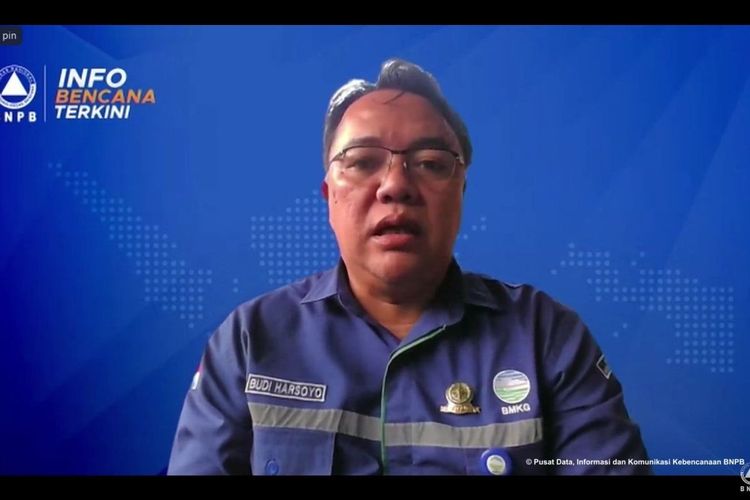
“However, for visibility, we are still struggling to improve it to the same extent as in South Sumatra,” said Budi Harsoyo, Director of Weather Modification Operations at BMKG, during a presentation on the progress of these operations on Friday (23/10/2026).
According to Budi, one possible reason for this issue is the vast area of Central Kalimantan, which is significantly larger than South Sumatra.
Meanwhile, weather modification operations in Central Kalimantan continue to be supported by CASA aircraft.
“When we compare South Sumatra with Central Kalimantan, their sizes are certainly different. Central Kalimantan is much larger,” he stated.
Although visibility has not improved significantly, Budi noted that the PM2.5 index has shown a decrease from morning to afternoon.
“But in terms of the reduction of the PM2.5 index, we have already observed a decline,” he said.
In the midst of efforts to tackle the karhutla, the potential for rain in Central Kalimantan is expected to increase starting October 24, 2026.
Budi explained that on October 23, the potential for rain in the area remained light.
However, beginning October 24, rain is anticipated to reach a moderate category, with expected rainfall of approximately 20 millimeters or more.
The potential for rain is expected to increase from October 25 to 27, particularly across most of Central Kalimantan.
The government hopes that this potential rain can be optimized to help extinguish the ongoing fire hotspots.
However, cloud growth is also influenced by atmospheric conditions, particularly the presence of an inversion layer, which can inhibit cloud formation processes.
“We also hope to optimize the potential for rain, provided that cloud formation can be maximized without a thick inversion layer, so that natural processes can function normally,” Budi remarked.
An inversion layer is an atmospheric condition that can trap smoke near the surface, leading to increased concentrations of haze and reduced visibility.
To address this situation, weather modification operations employ dry ice to help break through the inversion layer.
Once convective clouds begin to form, seeding using sodium chloride (NaCl) is carried out to support rain formation.
Nevertheless, weather modification operations are not the sole method to tackle karhutla.
Ground firefighting and the use of helicopters for water bombing remain necessary to combat the fires.