

PDI-P Calls Gibran's Resignation a Moment to Correct Governance Practices
-
News
-
4 minutes ago
This article was translated by AI. Read the original article on Kompas.com. See Original
THERE is an irony worth contemplating. When economic growth, equitable prosperity, and promises of progress often fail to unite citizens in a common imagination, the feeling of being threatened is presumed to succeed in doing so.
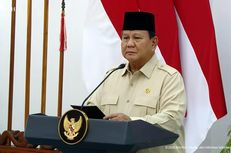
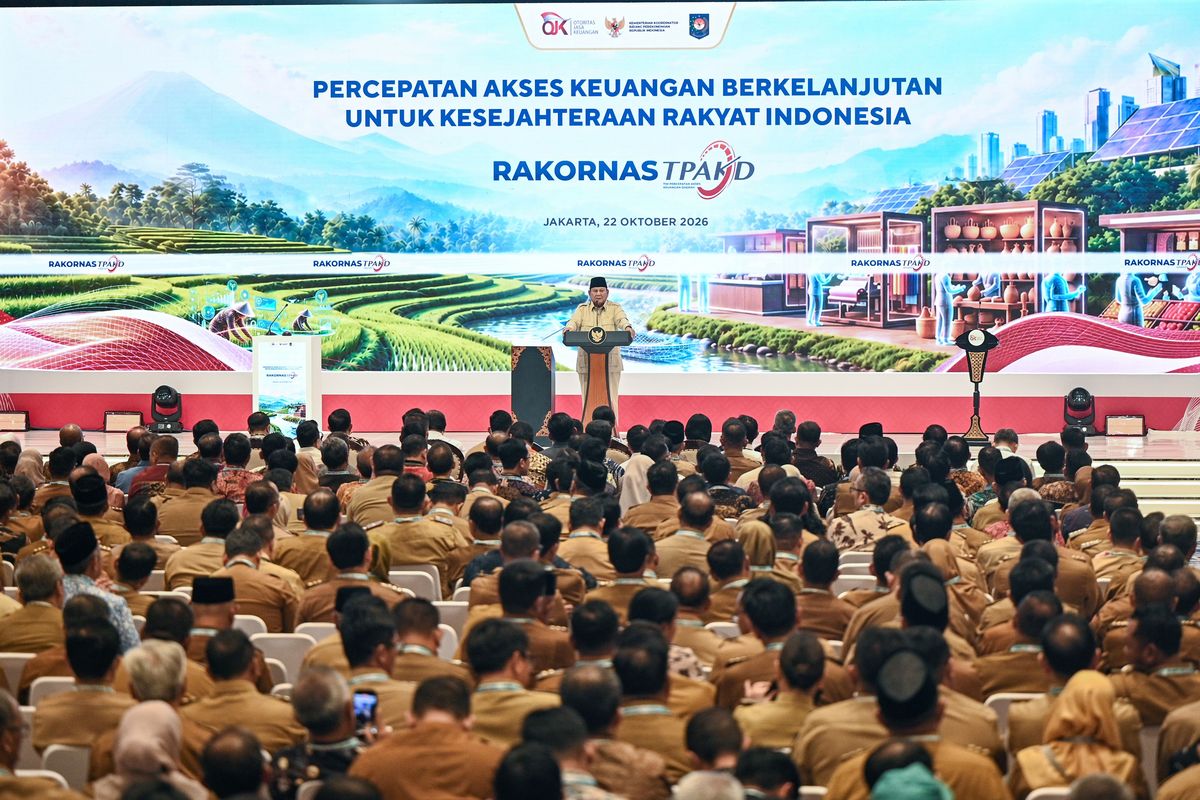
Therefore, when President Prabowo Subianto declared that Indonesia is in survival mode, the more pertinent question is not whether the global threat is real, but rather, whether the awareness of survival can serve as a bonding agent for the nation.
This statement stems from an assessment of the international situation, which Prabowo believes is increasingly shaped by power dynamics, while weaker nations face the risk of being sidelined.
In his view, Indonesia must safeguard national wealth, protect strategic resources, and prioritize national interests as prerequisites for surviving in an increasingly uncertain world.
Psychologically, this logic is not difficult to understand. Humans tend to reinforce collective identity when facing a shared threat.
Research shows that perceptions of external threats can enhance group solidarity, social loyalty, and support for collective institutions (Huddy et al., 2005).
In the context of nationalism, threats often act as a catalyst that narrow the divides between groups while amplifying a sense of “us”.
This phenomenon is also reflected in various global surveys. Sixty-one percent of respondents worldwide report living in a highly uncertain environment, while sixty-eight percent express concern about their economic future (Edelman, 2025).
In such a situation, narratives about resilience, struggle, and survival indeed resonate strongly as they speak directly to pre-existing public sentiments.
However, history also indicates that fear and a sense of belonging are not always synonymous. They may coexist but do not automatically lead to the same objectives.
Problems arise when survival mode ceases to function as an alarm and instead transforms into a permanent atmosphere.
In the short term, threats can mobilize attention. In the long run, persistent threats may lead to psychological fatigue and social cynicism.
Ultimately, the public will pose a simple question: If the state is in survival mode, how fairly is the burden of sacrifice shared?
If the threats are so pressing, why do some elites continue their political routines as if nothing has changed? If the situation is truly an emergency, why are success metrics never clearly defined?
These questions are crucial because solidarity is not built solely on fear. It is built on trust.