Sugiono Ensures State Will Secure Future for Families of Fallen Karhutla Volunteers
-
News
-
46 minutes ago
This article was translated by AI. Read the original article on Kompas.com. See Original
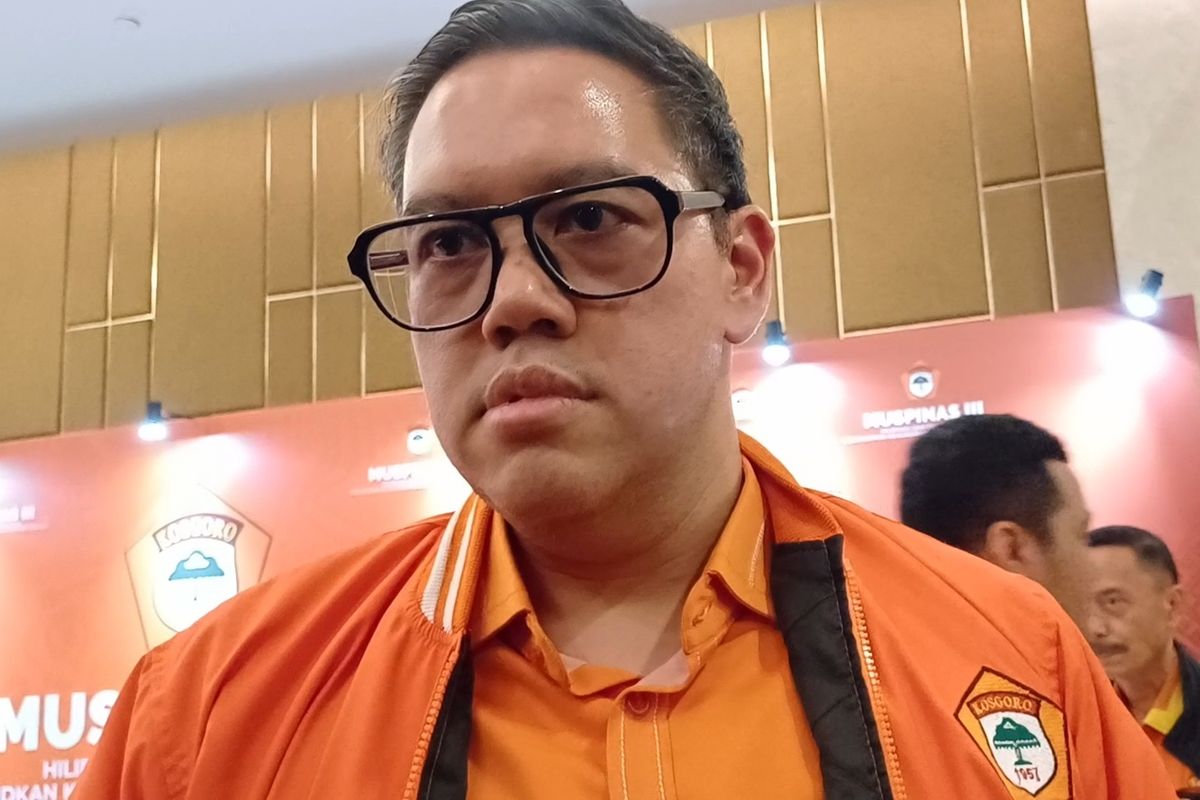
JAKARTA, KOMPAS.com - Deputy Chairman of Commission I of the Indonesian House of Representatives, Dave Laksono, stated that Commission I will push for a revision of Law No. 31 of 1997 on Military Justice to be included in the National Legislation Program (Prolegnas) Prioritized agenda.
This initiative follows the Constitutional Court's (MK) ruling mandating changes to the Military Justice Law within a maximum of two years from the date of its decision.
"Commission I of the House of Representatives will coordinate with the Legislative Body and the government regarding the legislative process, including positioning the revision within the Prolegnas Prioritized agenda," Dave told reporters on Friday (23/10/2026).
Dave emphasized that discussions on the law's revision should not wait until the deadline set by the Constitutional Court approaches.
According to Dave, the MK's order to revise the Military Justice Law must be taken seriously and responsibly.
"The two-year maximum deadline for amending the Military Justice Law must be respected, but deliberations should not wait until the deadline approaches," he stated.
"For Commission I of the House of Representatives, the Constitutional Court's Decision No. 260/PUU-XXIII/2025 must be followed up seriously and responsibly," he added.
Dave highlighted that an important aspect of this revision is to clearly delineate the boundary between military and general criminal offenses.
He believes this regulation should ensure justice, enhance accountability, and uphold the professionalism of TNI soldiers.
"A fundamental issue that needs regulation is a clear distinction between military offenses and general crimes, in line with the court's ruling," Dave commented.
The Golkar politician further noted that the revision should also clearly define the judicial forum authorized to handle cases involving civilians and ensure accountability.
This regulation, he continued, must guarantee the rights of victims and the rights of all parties involved in the legal process.
"Clarity in the jurisdiction of the court is important to ensure legal certainty and equality before the law," he said.
Dave also assured that military justice will remain part of the national judicial system.
However, its authority must be adjusted to the MK's ruling so that each case is handled according to legal provisions.
"We will encourage the Ministry of Defense and the TNI to prepare substantive inputs and coordinate with the Ministry of Law," said Dave.
Dave believes that discussions on the revision of the Military Justice Law should also open avenues for public participation so that the regulatory changes yield clear, fair, and enforceable provisions.