
MBG and Indonesia's Diplomacy Behind the UN Resolution
-
News
-
3 hours ago
This article was translated by AI. Read the original article on Kompas.com. See Original
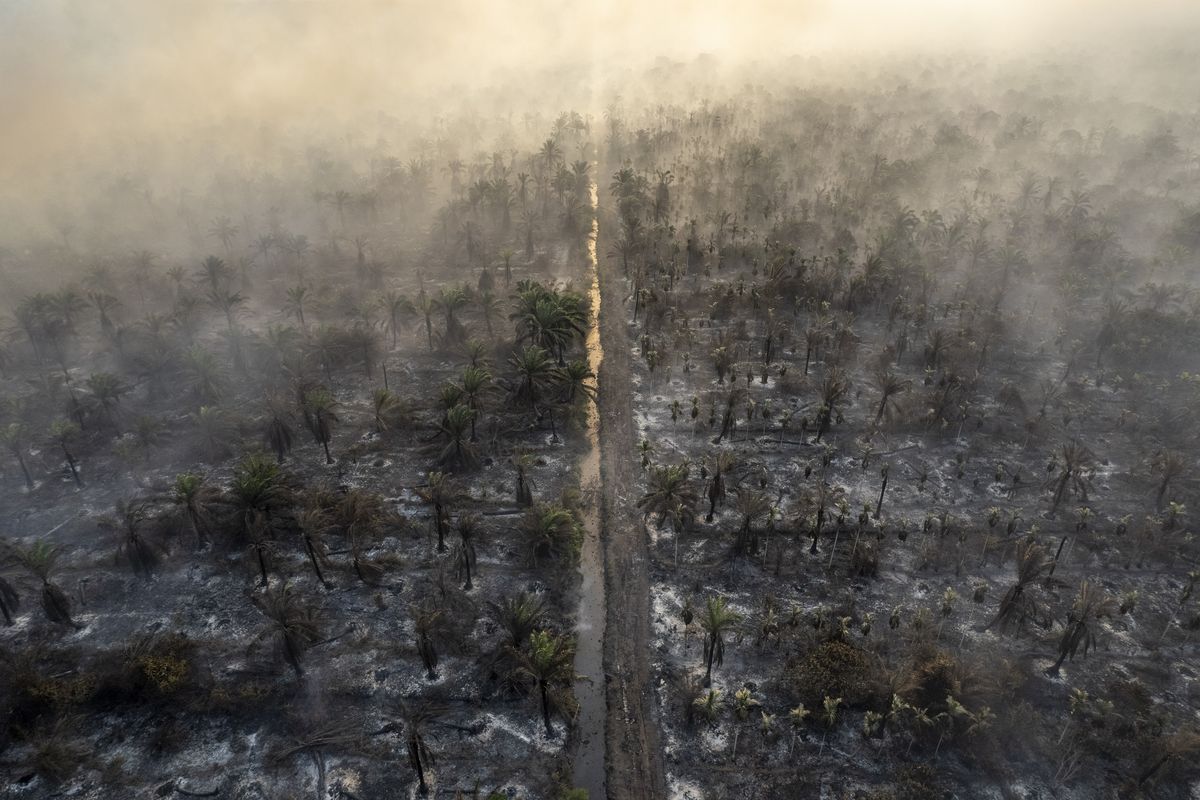
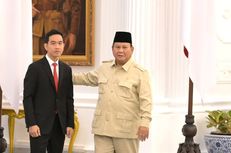
WHEN President Prabowo Subianto referred to corporations that burn forests and land as perpetrators of environmental terrorism during the Plenary Cabinet Meeting at the Merdeka Palace on October 21, 2026, he wasn't just choosing harsh diction.
The President is elevating the category of forest and land fires (Karhutla) from an ordinary environmental crime to an extraordinary crime.
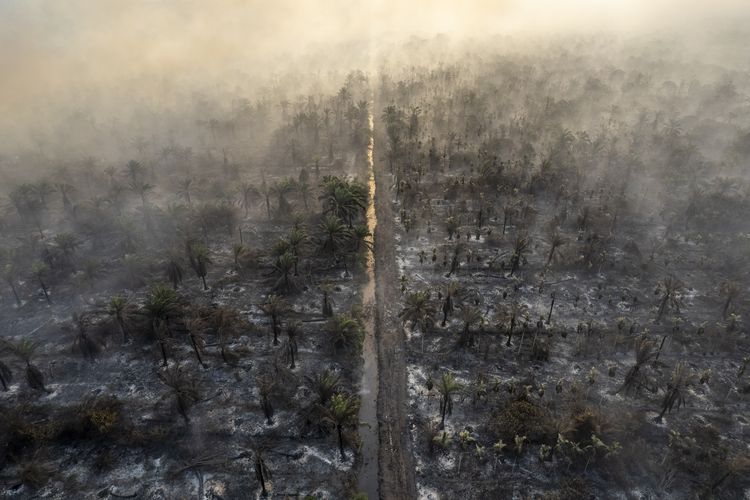
This statement is reinforced by on-the-ground facts he presented: This year's Karhutla is not natural, there is intent, corporations are involved, and the public is apprehending individuals responsible for the burning.
Furthermore, since a limited meeting on September 16, 2026, the term ecological terrorism has been requested to be reinforced by legal regulations.
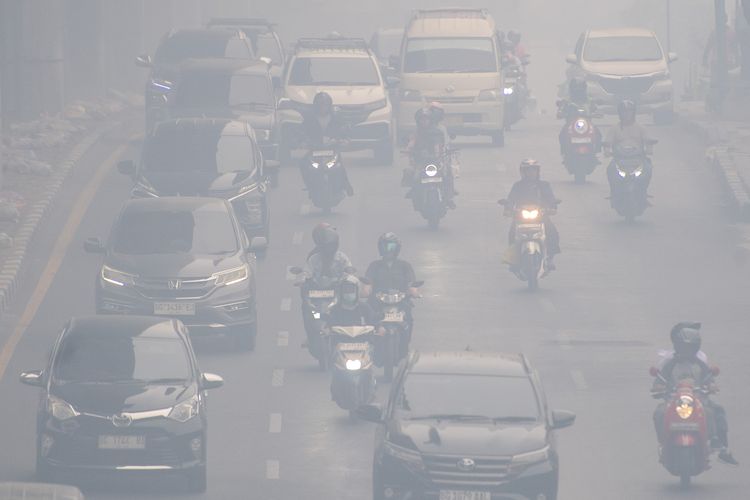
By labeling it as a crime against humanity that endangers the health of millions of people, the President places smoke not just as pollution but as a weapon.
Terrorism is fundamentally about the politics of fear. It does not need to kill everyone; it merely needs to instill fear that anyone could be the next victim.
The smoke from Karhutla operates under the same logic. It does not discriminate based on gender, age, or educational background.
This uncertainty is the essence of terror. Today the sky is blue, tomorrow it is thick gray and toxic. Today schools are open; tomorrow they are closed due to respiratory illnesses.
This is what Johan Galtung calls "structural violence," a kind of violence that does not occur with a gun in hand but through a system that allows suffering to spread evenly.
Moreover, smoke is a form of slow violence. Rob Nixon describes it as "slow violence," violence that does not explode suddenly like a bomb but gradually settles in the lungs, in peatlands, in the future.
One hectare of forest burned to save costs might only yield a few million rupiah in profits, but it steals decades from ecological time.
It robs the soil of its ability to retain water, the forest of its natural fire-retardant qualities, and a child of the opportunity to grow with clean lungs.
The economics of burning is the most irrational economy, akin to someone burning their own house just to warm a cup of coffee.
If regular terrorism attacks individual humans, environmental terrorism attacks broader communities, most of whom cannot raise their voices in court.
Aldo Leopold in "Land Ethic" reminds us that human ethics are incomplete if they do not include land, water, plants, and animals as members of the moral community.