

PKB Fully Entrusts Prabowo with Two Vice-Presidential Candidates
-
News
-
26 minutes ago
This article was translated by AI. Read the original article on Kompas.com. See Original
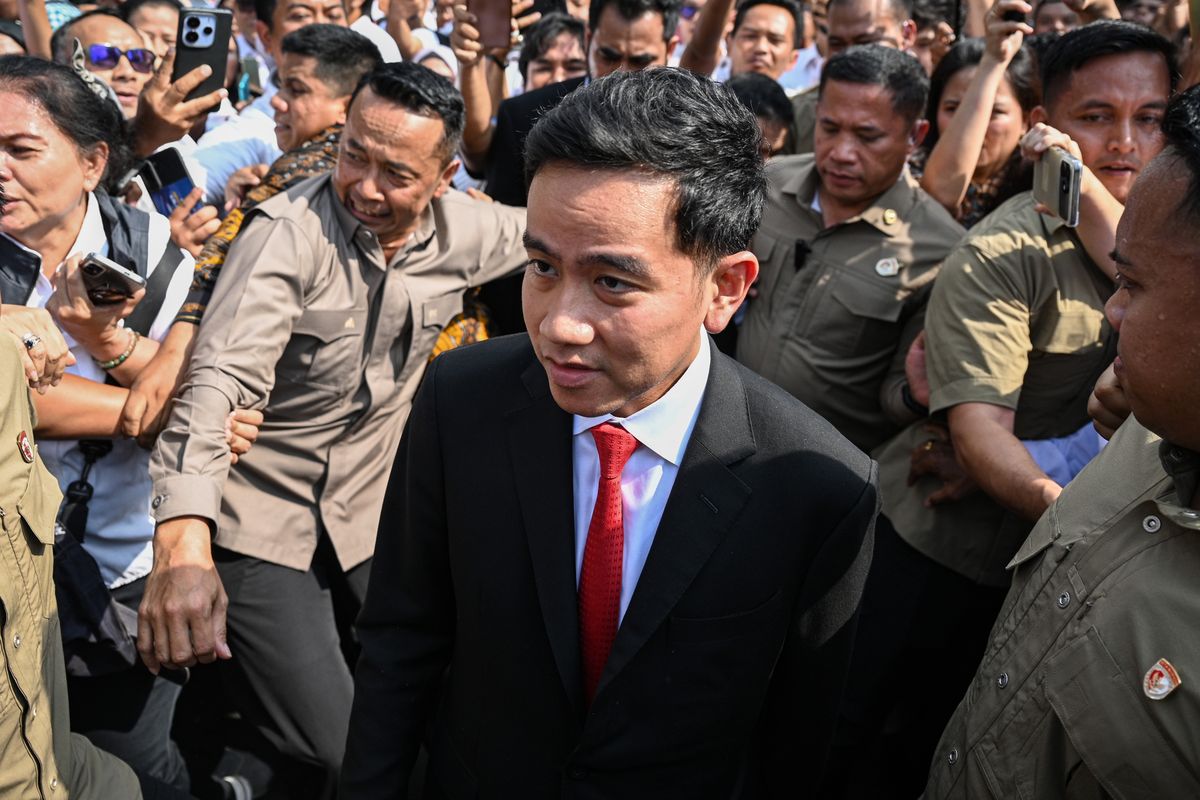
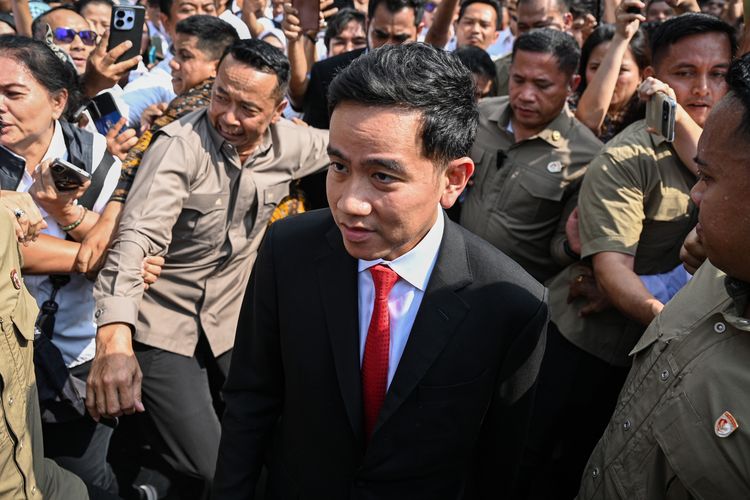
JAKARTA, KOMPAS.com - The confession by Indonesia's 14th Vice President Gibran Rakabuming, stating that he has disappointed the PDI-P, is seen not as a genuine regret for his political decisions but rather as a strategy to manage his political image.
Senior researcher at Populi Center, Usep Saepul Ahyar, interprets Gibran's statement as an attempt to polish his image as his term comes to an end.
"I read this more as an effort to shape his image rather than an expression of regret," Usep said during a phone interview on Friday (13/11/2026).
He explains that this statement surfaced after Gibran stepped down amid impeachment pressures in the House of Representatives.
"Emotional words during such a time typically serve to construct a favorable memory of oneself," he added.
Furthermore, based on his choice of words, Gibran is perceived to regret the consequences of his actions rather than the actions themselves.
"Saying 'It’s hard to disappoint' is not the same as 'I was wrong.' He also does not address the ethics of his candidacy, nor does he explicitly mention PDI-P," he noted.
Additionally, he highlights that this acknowledgment is paired with claims that Gibran never intended to become Vice President.
"The impression he creates is one of a person who was chosen and sacrificed, rather than someone ambitious. This serves as a counter-narrative to criticisms of political dynasties," he continued.
Nevertheless, he believes that personal feelings and strategic interests can coexist.
Usep assesses that Gibran's future actions will be the true measure of his statement.
"The measure is not his words but his actions moving forward," Usep remarked.
According to Usep, the chances of Gibran reconciling with PDI-P remain slim despite his recent admissions.
This is because, in PDI-P's view, Gibran has violated party principles.
Moreover, if PDI-P were to accept Gibran back as a cadre, it would undermine the party's narrative as a critic of political dynasties.
"Gibran's bargaining power is now low without an official position, amidst the diploma polemic, and having been abandoned by parts of his coalition. The party would prefer to embrace someone who brings votes rather than a burden," Usep added.