
Yusril Denies Meeting with Defense Minister to Discuss Vice Presidential Candidate
-
News
-
1 minute ago
This article was translated by AI. Read the original article on Kompas.com. See Original
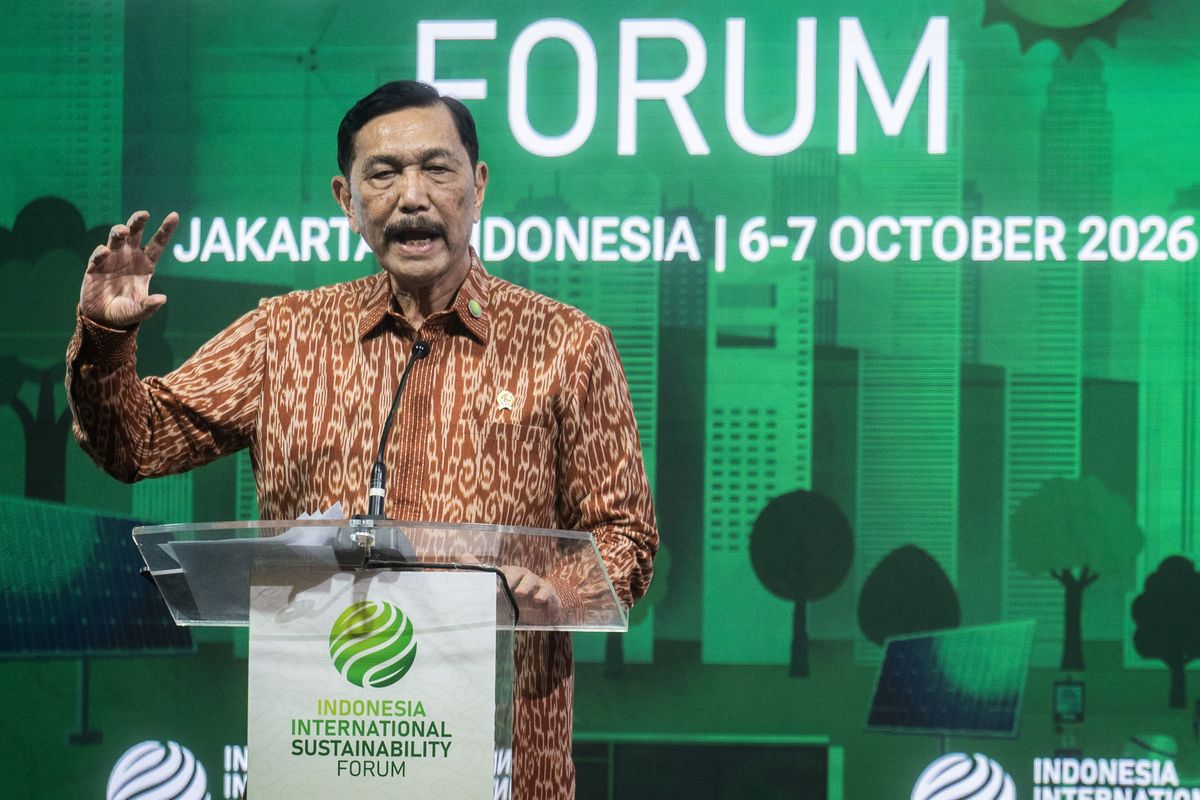
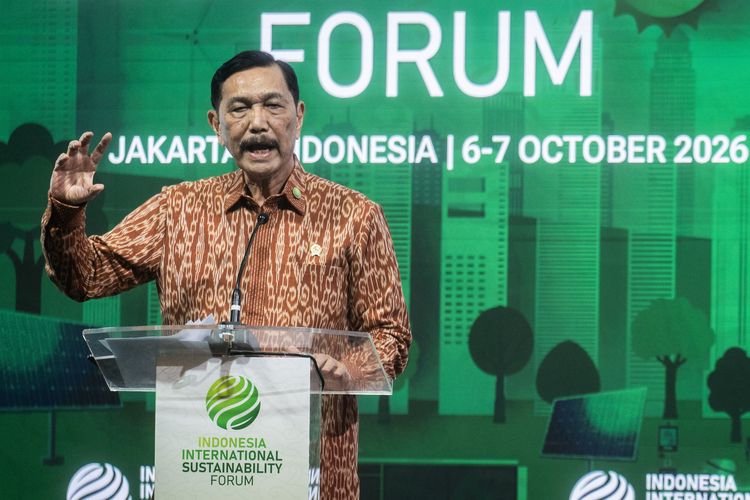
LUHUT Binsar Pandjaitan surprised the public on the second anniversary of the Prabowo Subianto Administration on October 20, 2026. According to Luhut, the definition of corruption should not solely focus on financial losses to the state, but should also encompass bribery.
The chairperson of the National Economic Council (DEN) referenced the United Nations Convention against Corruption (UNCAC), which Indonesia ratified 20 years ago.
Luhut, known as a powerful figure during two terms of Joko Widodo’s administration—from the Chief of Presidential Staff to Coordinating Minister for Political, Legal, and Security Affairs, and later Coordinating Minister for Maritime Affairs and Investment—had been dubbed a 'superminister' due to his significant role.
Following the change in government, President Prabowo Subianto appointed Luhut as the chair of DEN in October 2024.
Luhut’s government career dates back even further to August 24, 2000, when he was appointed by Abdurrahman Wahid as Minister of Industry and Trade.
The weight of the speaker adds significance to the conversation, especially since Luhut mentioned that President Prabowo agrees with DEN’s study on the definition of corruption.
Some suspect Luhut's proposal to remove the element of state losses from the corruption definition is a signal that Prabowo intends to amend the Law on the Eradication of Corruption.
The 1999 Law No. 31 on Corruption has two articles that have sparked extensive debate. This law, enacted on August 16, 1999, is a legacy from the BJ Habibie era and State Secretary Muladi.
The two articles in question—Article 2 paragraph 1 and Article 3—identify state losses or losses to the economy as a basis for corruption.
Article 2 paragraph 1 states that corruption is an act of enriching oneself, others, or a corporation that can harm state finances or the economy.
Anyone committing such actions faces prison terms of at least 4 years, up to 20 years, or life imprisonment, with fines ranging from 200 million to 1 billion rupiah.
Article 3 discusses the abuse of authority, opportunity, or means attributed to individuals holding certain positions—meaning public officials. Similar to Article 2 paragraph 1, this article also contains the element of financial loss to the state.
A year ago, the application of Article 2 paragraph 1 in the case of Thomas Trikasih Lembong, also known as Tom Lembong, stirred controversy. The former Minister of Trade was sentenced to 4 years and 6 months in prison for unlawful acts.
The judge stated that the import of raw crystal sugar (GKM) was the result of Tom’s negligence, causing a financial loss to the state of 194 billion rupiah, which should have been profit for PT Perusahaan Perdagangan Indonesia (PT PPI).
Interestingly, the judges found no money benefiting Thomas Lembong; he did not personally enjoy corrupt proceeds.