
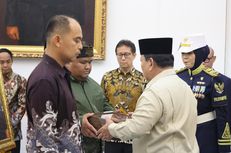
Prabowo Orders Minister to Provide Full Scholarships for Children of Fallen Karhutla Volunteers
-
News
-
36 minutes ago
This article was translated by AI. Read the original article on Kompas.com. See Original
DEMOCRACY is often imagined as a clear division of roles: the government governs, while citizens are governed.
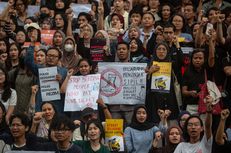
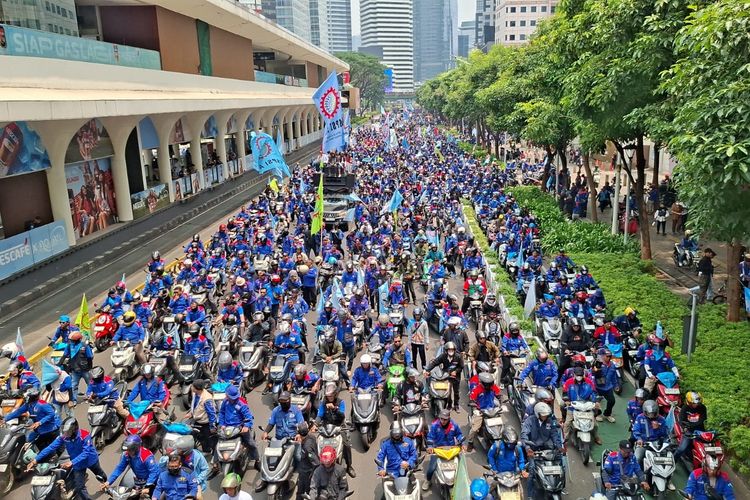
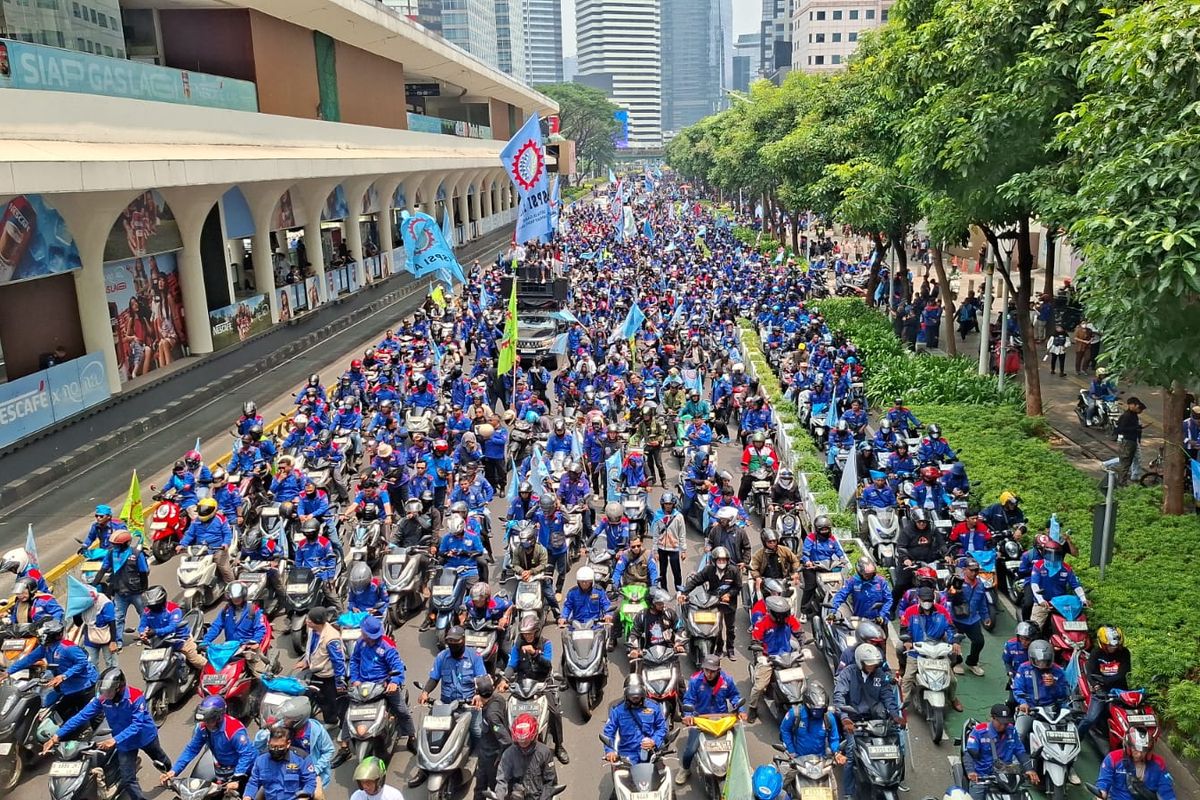
Between the two, civil society stands as a watchdog, voicing criticism, organizing protests, and demanding that power does not exceed its limits.
This division is important for maintaining democracy.
However, when treated as an absolute boundary, we risk narrowing the meaning of citizenship itself.
Democracy actually requires citizens who can transcend these boundaries without losing the freedom to criticize.
Citizens can be part of the government, while at the same time remaining individuals who fall under the power of the state.
They help shape policies, while also experiencing the consequences of those decisions.
They can occupy positions within power structures without having to surrender their critical insights to authority.
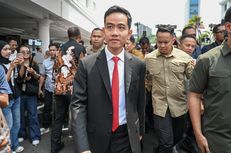
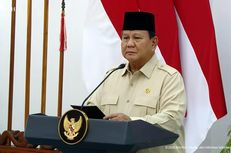
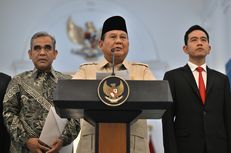
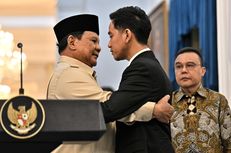
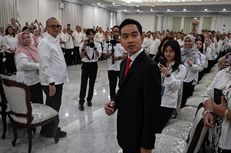
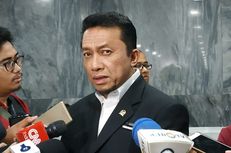
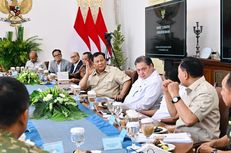
In this perspective, the inclusion of Syahganda Nainggolan, Mohammad Jumhur Hidayat, and Rocky Gerung in President Prabowo Subianto's administration deserves further examination.
Syahganda was appointed as the Head of the Government Communication Agency on October 2, 2026, while Rocky Gerung became a member of the Presidential Advisory Council.
Jumhur was appointed earlier as the Minister of Environment and Head of the Environmental Control Agency on April 27, 2026.
The three of them have experience in activism, political critique, or civil society movements, albeit with different backgrounds and paths.
Of course, the appointment of individuals to public positions does not inherently denote a democratic advance.
Positions can serve as a means to expand citizen participation, but they can also transform criticism into mere justification of governmental policies.
Therefore, the issue is not merely who enters the cabinet, but how they exercise citizenship after entering state institutions.
Modern political thinkers have long sought to explain the complex relationship between citizens and the state.
Citizenship is not just a legal status that grants the right to vote, access public services, or express opinions.
Citizenship is also a political practice: the capacity of citizens to engage in common affairs, shape public decisions, and demand accountability from those in power.
This notion is relevant to understanding the thoughts of Gerry van Klinken, an academic who has extensively researched citizenship and the practice of power in Indonesia.
In his article, Citizenship and Local Practices of Rule in Indonesia (2018), Van Klinken shows that Indonesian citizenship is shaped by a dynamic historical relationship between the state, local communities, and power practices.
Citizenship should not simply be understood as a formal relationship between individuals and the state; it is also shaped by concrete experiences of people facing authority and advocating for their interests.
From this perspective, citizenship is not a static position.
Citizens do not have to remain forever outside the state to be critical citizens.
Conversely, engagement in governance does not automatically erase their status as citizens with the right to hold differing opinions.
In democratic traditions, there is a notion that those who are subject to laws should also have the opportunity to participate in determining the laws that govern their lives.
Herein lies a fundamental relationship between ruling and being ruled.
Citizens are not merely objects of policy but also subjects who can help shape it.
This concept does not mean that every citizen must hold a government position. It also does not imply that the government and civil society can blend without limits.
Rather, democracy requires civil society's freedom to stand outside the state, monitor the government, and reject policies deemed detrimental to public interests.
What needs to be rejected is the notion that there are two mutually exclusive choices: be part of the government or be a critical citizen.
In practice, both can engage productively, as long as involvement in the state does not stifle the freedom to critique it.