
Sugiono Ensures State Will Secure Future for Families of Fallen Karhutla Volunteers
-
News
-
36 minutes ago
This article was translated by AI. Read the original article on Kompas.com. See Original
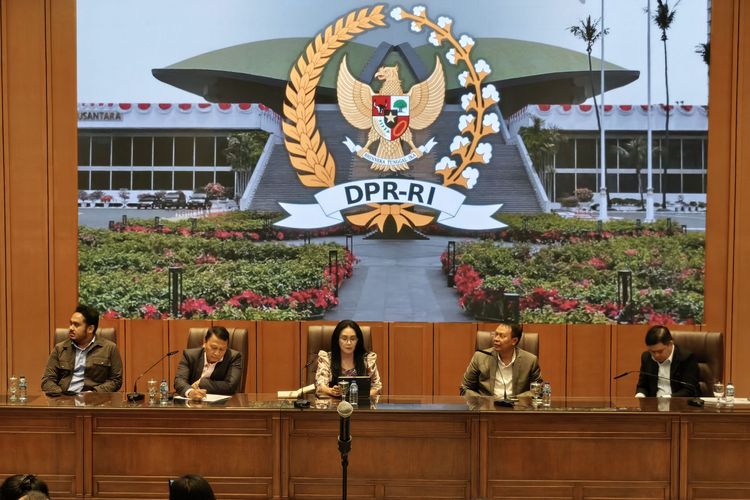
JAKARTA, KOMPAS.com - The PKS faction in the Indonesian House of Representatives raised concerns about the persistently high food prices and the decrease in regional transfer funds (TKD) during the two years of President Prabowo Subianto and Vice President Gibran Rakabuming Raka's administration.
PKS member Mardani Ali Sera acknowledged that the Prabowo administration has made achievements in rice production.
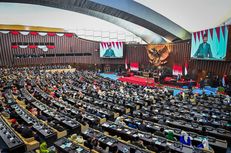
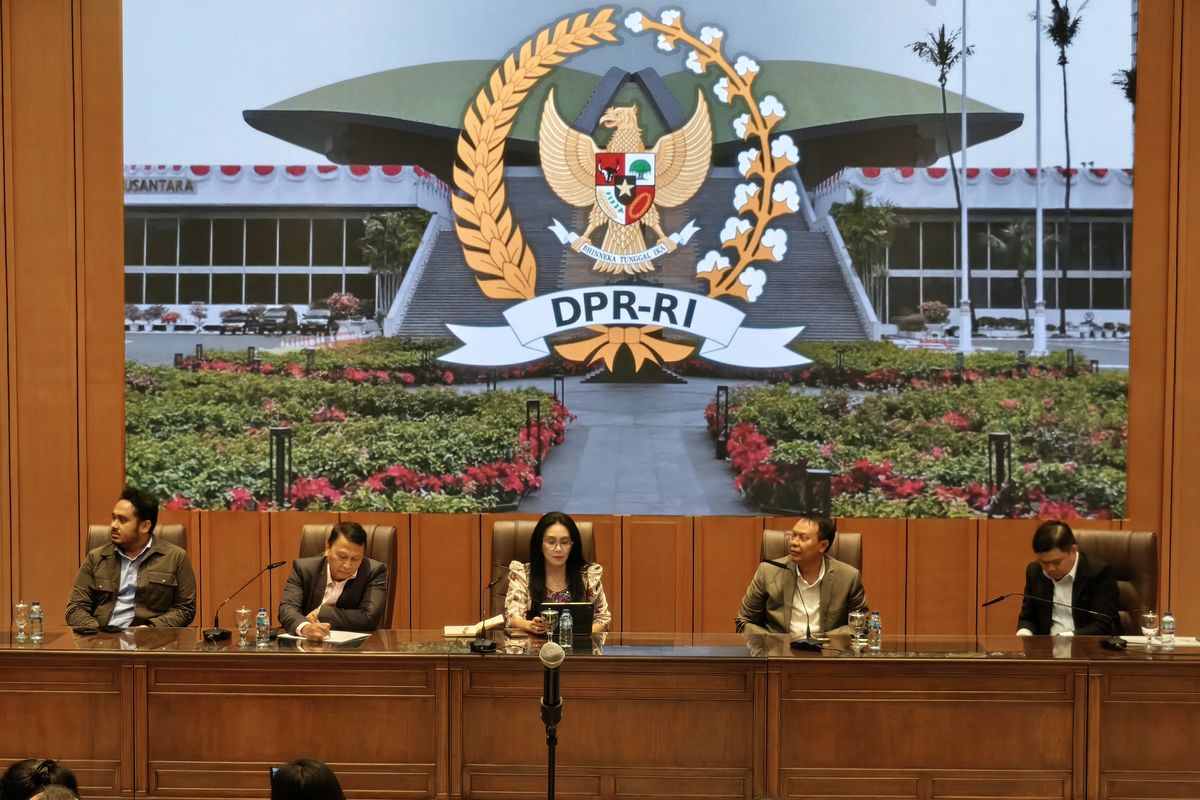
However, he pointed out that rice prices at the consumer level remain high, burdening the public. “The current BPS (Central Statistics Agency) price is Rp 15,000 per kilogram. That's very high. It's unfortunate for the people. This is a challenge in the food sector. The upstream is correct, but the downstream is still very high,” Mardani stated during a discussion marking two years of Prabowo-Gibran's administration held at the DPR RI building in Jakarta, attended by representatives from various factions in parliament on Thursday (22/10/2026).
Furthermore, Mardani noted that Bulog controls only about 15% of rice reserves, while 85% is held by the private sector.
He argued that Bulog's budget limitations hinder the government's ability to optimally absorb farmers' harvests, even though the government has set a purchasing price for unhusked rice that he believes is beneficial for farmers.
“When the government is good, Rp 6,500 is incredibly beneficial for farmers. But because Bulog's budget allocation is very limited, only 14 to 15 percent can be absorbed by Bulog,” Mardani explained.
Additionally, he highlighted the insufficient achievements in other food products apart from rice. In fact, there are still food items that rely on imports. “Rice production is okay, but in terms of meat, we are still far behind, and even when it comes to tempeh, we still have to import,” he asserted.
As a solution, Mardani proposed that the government's role in managing staple commodities should be enhanced to maintain food price affordability for the public. “Therefore, PKS suggests that for staple foods, government dominance should be increased. If necessary, state protection is essential,” he added.
In addition to food prices, Mardani also pointed out the decline in TKD, which he claims has occurred for two consecutive years compared to the government of President Joko Widodo.
He believes that this budget reduction burdens regional governments. As regions also have to bear the salaries of workers under the government employment agreement (PPPK) who have been appointed.
According to Mardani, this situation makes it difficult for regional governments to manage various governmental affairs due to budget constraints.
“Now, when they meet with the Ministry of Home Affairs, the complaint from the heads of regional governments is the same: they don’t have a budget,” he said.
Mardani linked the budget limitations to the low capacity of regional governments to address various issues, including floods and forest and land fires (karhutla).
He stated that budget distribution needs to consider the responsibilities given to regional governments.
Mardani referred to Law Number 23 of 2014 on Regional Government. He stated that around 78% of government affairs are the responsibility of the regions, while the remaining 22% fall to the central government.