

MBG and Indonesia's Diplomacy Behind the UN Resolution
-
News
-
15 minutes ago
This article was translated by AI. Read the original article on Kompas.com. See Original
THREE fire incidents occurred within seven months, each with distinct characteristics, involving the same operator.
The question is not just what burned, but whether each incident improved the safety system more than before.
On March 11, 2026, KMP Portlink VII caught fire in the passenger deck area during loading operations at Ketapang Port, Banyuwangi.
Reports indicate that the fire was extinguished without any casualties. Initial suspicion pointed to electrical disturbances, but this assumption needs to be distinguished from the final investigation conclusions.
Three months later, on June 12, 2026, KMP Aceh Hebat 2 experienced an explosion and fire in the engine room while docked at Ulee Lheue Port, Banda Aceh.
Initial reports suggested problems with the hydraulic system of the automatic watertight doors.
Fifteen people sustained burn injuries, including 14 cadets who were undergoing practical training aboard the vessel.
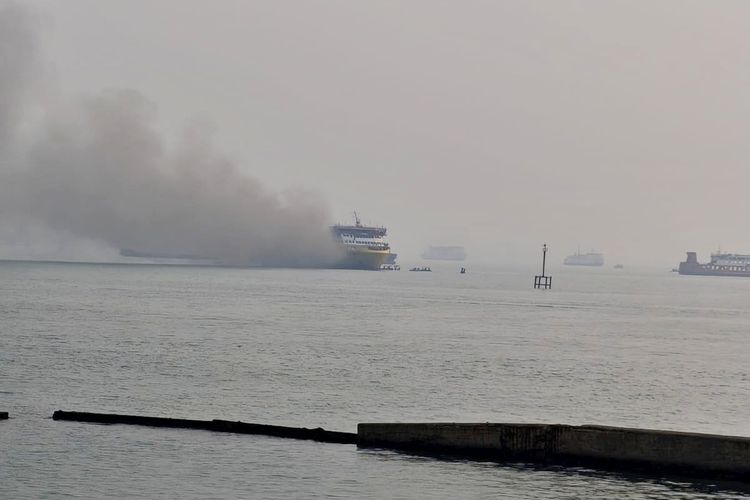
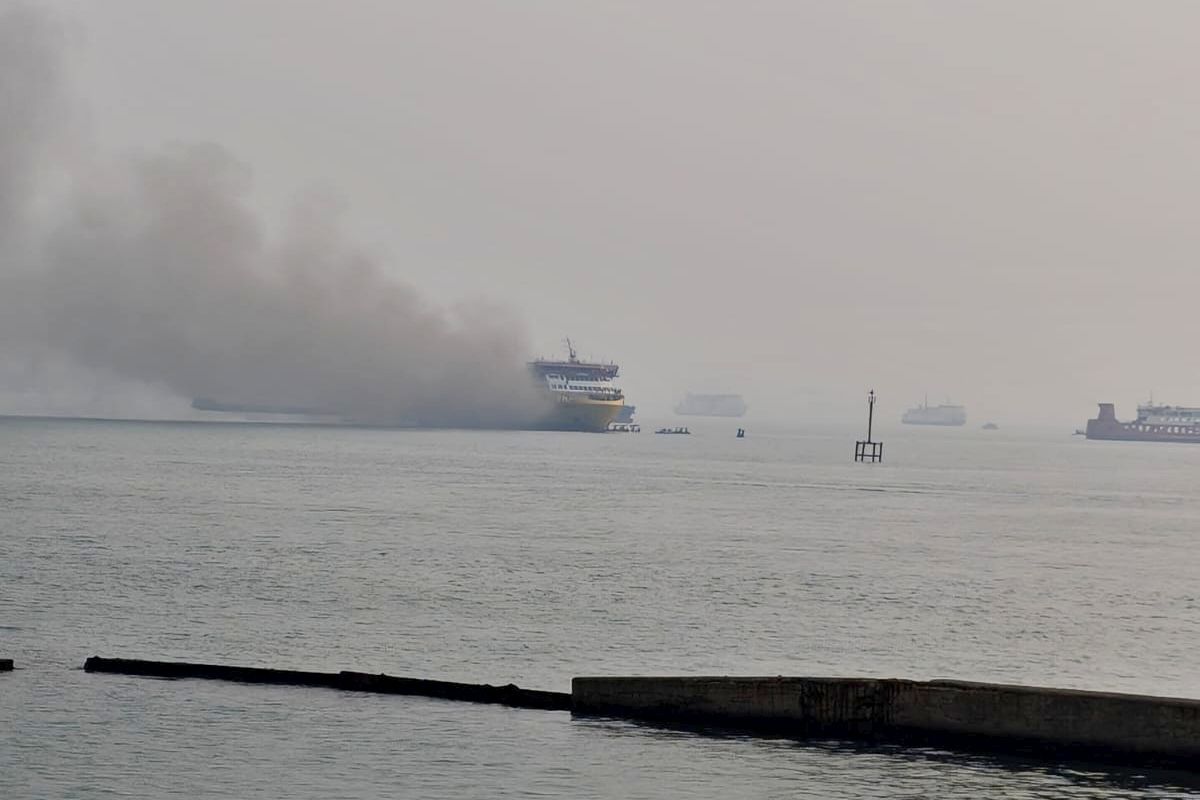
On October 20, 2026, KMP Batu Mandi caught fire while approaching Dock VI of Merak Port in Banten.
The ship was carrying 420 passengers and 89 vehicles. All passengers were successfully evacuated, while several individuals received medical assistance.
The cause of the fire is still under investigation.
Three ships, three operational contexts, and different suspected causes.
All three vessels are operated by PT ASDP Indonesia Ferry and experienced incidents within approximately seven months.
This series does not yet prove a systemic failure. However, it is sufficient to warrant questions that should not stop at the technical cause of each event.
Did each incident lead to learning that strengthens the safety of the entire fleet — or merely result in successful extinguishing efforts?
In emergencies, the speed of the crew's response to a fire and the ability to evacuate passengers are critical factors for saving lives. The success in limiting the impact of the incidents is commendable.
However, there are two different questions to consider when assessing transportation safety.
First, does the emergency response system work when incidents occur?
Second, have the risks that should be preventable been identified and controlled before they developed into incidents?
A success in the first question does not automatically answer the second.
A ship may have a trained crew and effective emergency procedures but still face technical or operational risks that need to be addressed.
Therefore, these three incidents should not only be assessed based on extinguishing speed or successful evacuations.