
MBG and Indonesia's Diplomacy Behind the UN Resolution
-
News
-
4 hours ago
This article was translated by AI. Read the original article on Kompas.com. See Original
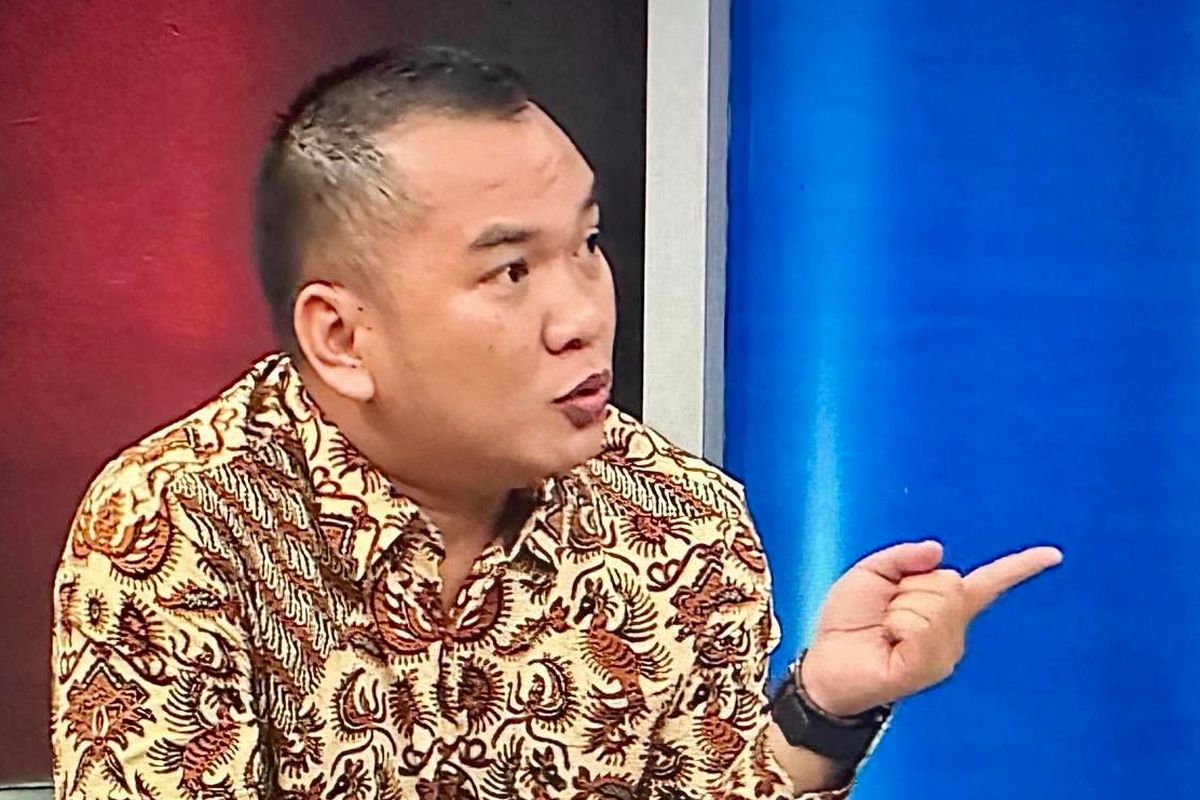
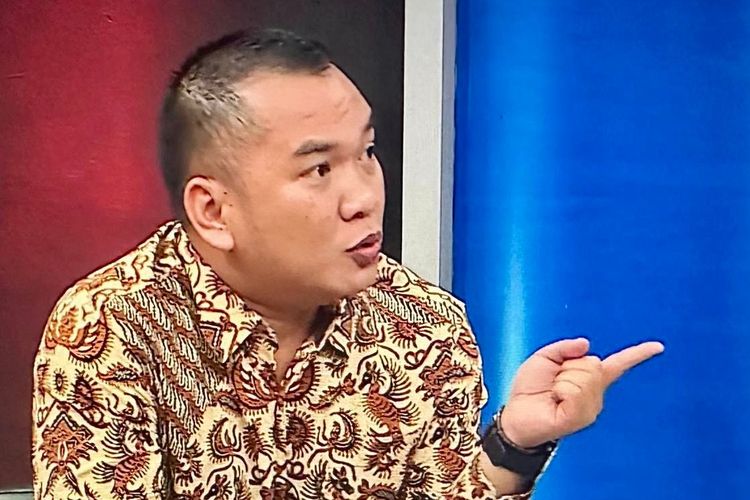
JAKARTA, KOMPAS.com - Former investigator of the Corruption Eradication Commission (KPK) Praswad Nugraha stated that the proposal from the Chairman of the National Economic Council (DEN) Luhut Binsar Pandjaitan, suggesting that state losses should not be part of the definition of corruption, contradicts the climate of anti-corruption efforts in Indonesia.
Praswad noted that removing the element of state losses from the definition of corruption crimes is inconsistent with the ongoing fight against corruption.
“Without state losses, the potential for the country to lose trillions of rupiah due to corruption is significant, as it may be difficult to prove corruption through other articles, such as bribery,” Praswad said in a written statement on Thursday (22/10/2026).
He explained that the basis for recognizing state losses has historical roots from the incidents of asset acquisition during the colonial periods of the Dutch and Japanese, which were often mismanaged by officials at the time.
As a result, General Abdul Haris Nasution issued regulations that formed the basis for Articles 2 and 3 of the Corruption Eradication Law, as the patterns of corruption in Indonesia have shown similarities from the early independence period to the current reform era.
Moreover, he added that the article on state losses is intended to prevent officials from making arbitrary decisions.
“The article on state losses is also expected to encourage officials to make cautious decisions, adhering only to valid legal procedures,” he emphasized.
Praswad further mentioned that controversies surrounding the application of Articles 2 and 3 of the Corruption Eradication Law often arise from mistakes made by law enforcement, either due to misinterpretations of the articles or conflicts of interest among law enforcement officers.
However, he warned that the misuse of laws is not solely tied to the article on state losses. Many unscrupulous officials exploit corruption articles or other criminal laws to extort directors of state-owned enterprises or officials in governmental agencies.
“Therefore, the elimination of state loss provisions will not necessarily improve the state of corruption eradication in Indonesia; the most crucial aspect is the integrity of law enforcement officials,” he explained.
Praswad also stated that the proposal contradicts President Prabowo's stance, which indicates that there should be no special treatments for corrupt individuals, with efforts to pursue corruption reaching as far as Antarctica.
“As we advance, corruptors will employ increasingly sophisticated methods of committing corruption, which are not limited to bribery. Therefore, broad regulations such as the state loss article are necessary to cover such issues,” he remarked.
Furthermore, Praswad suggested that the Chairman of the DEN is lacking in thorough assessment regarding the United Nations Convention Against Corruption (UNCAC). He noted that UNCAC does not obligate Indonesia or any other country to alter their definitions of corruption.
“As a member of the UNCAC panel in Vienna, which I regularly represent Indonesia at their events, I have never heard UNCAC ask Indonesia to revise its existing corruption definition. So, from whom does this proposal originate?” he questioned.
Previously, the Chairman of the National Economic Council (DEN), Luhut Binsar Pandjaitan, proposed to President of the Republic of Indonesia Prabowo Subianto that state losses should not be included in the definition of corruption.