
The Discourse on Three Vice Presidents: Regional Justice or Pragmatism?
-
News
-
18 minutes ago
This article was translated by AI. Read the original article on Kompas.com. See Original
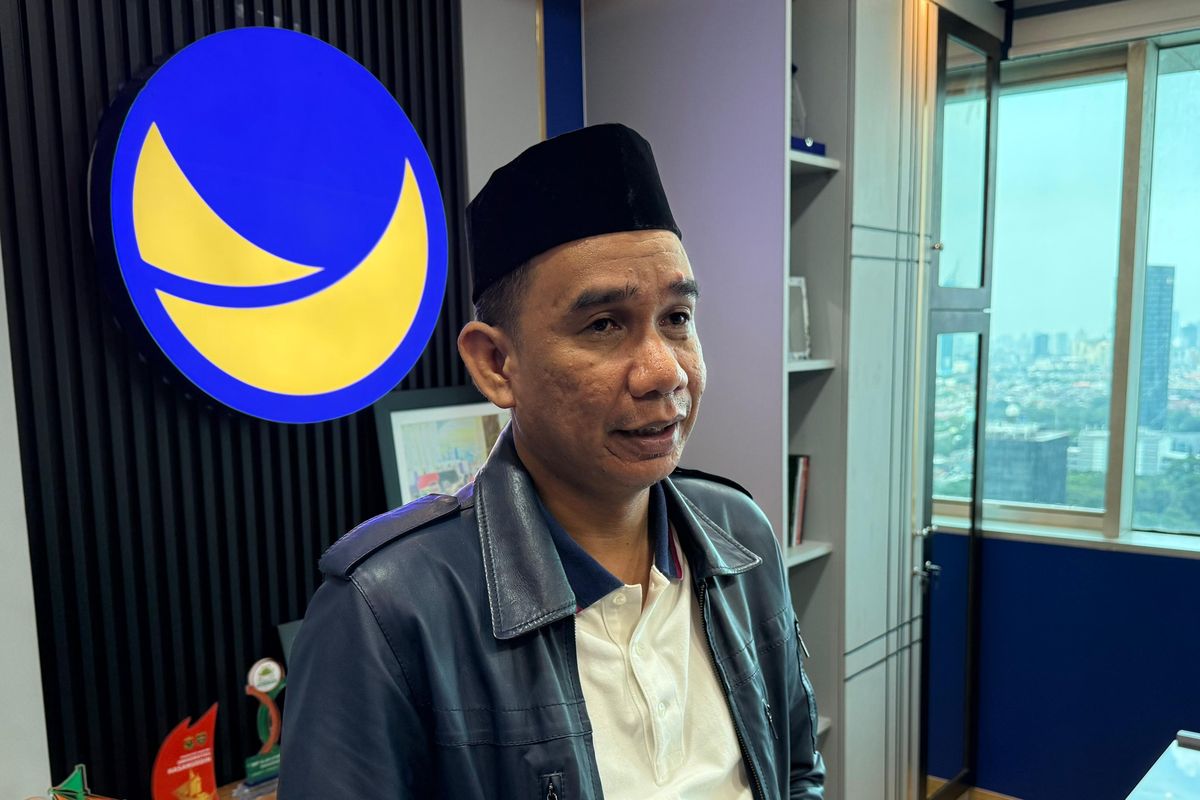
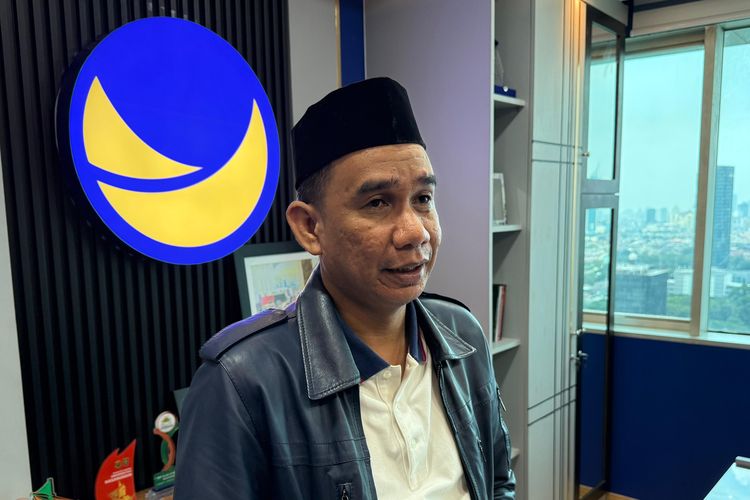
JAKARTA, KOMPAS.com - Member of Commission III of the Indonesian House of Representatives, Rudianto Lallo, rejected the proposal from the Chairman of the National Economic Council (DEN), Luhut Binsar Pandjaitan, which stated that state losses should not be included in the definition of corruption.
The Nasdem politician argued that this proposal has the potential to hinder the eradication of corruption by narrowing the scope of corrupt practices in Indonesia.
“If that idea is implemented, in my view, it is dangerous. It opens the door for those with the intention to enrich themselves or others,” Rudianto stated when contacted on Thursday (22/10/2026).
According to Rudianto, the definition of corruption in Indonesia cannot solely reference the United Nations Convention Against Corruption (UNCAC).
He believes that the scope of corruption in Indonesian law is broader than just bribery.
“Therefore, I see that UNCAC has not yet been institutionalized in Indonesia's legal politics, nor has it been integrated into our constitutional legal framework. Thus, it cannot be fully followed,” he said.
Rudianto reminded that corruption crimes have been regulated under the Law on the Eradication of Corruption Crimes (UU Tipikor).
He argued that this regulation serves as the foundation for preventing the abuse of authority by public officials and those with mandates to manage state-owned enterprises.
“What we have in our legal politics actually serves as a limitation so that every public official or anyone mandated by the state is cautious in executing their duties, does not play games, and refrains from abusing their authority, especially in a way that results in state losses,” he explained.
Therefore, Rudianto continued, narrowing the definition of corruption solely to bribery poses a risk of limiting the scope for action against various forms of corruption.
“When it is confined merely to bribery, it actually restricts the definition. Meanwhile, a broad interpretation reveals many forms of corruption, let alone a narrow interpretation,” he remarked.
Rudianto also noted that any changes to the definition of corruption must consider its relationship with several existing regulations, including the UU Tipikor, the Indonesian Penal Code (KUHP), and the Law on Money Laundering (TPPU).
He added that Indonesia also needs regulations regarding asset recovery to strengthen efforts to retrieve assets from corruption crimes.
“Thus, Mr. Luhut's idea would certainly violate many regulations, rules, and laws, and in my opinion, it could damage our legal system,” Rudianto concluded.
Earlier, DEN Chairman Luhut Binsar Pandjaitan proposed to President Prabowo Subianto that state losses should not be part of the definition of corruption.
Luhut stated that the proposal refers to UNCAC, which Indonesia ratified through Law Number 7 of 2006.
“Yes, we refer to the UN Charter regarding the definition of corruption, where the definition of corruption in the UN Charter ratified by Indonesia 20 years ago is bribery. So it does not discuss state losses,” Luhut said at the Merdeka Palace, Jakarta, on Wednesday (21/10/2026).
According to Luhut, applying the element of state losses in the definition of corruption could burden the business activities of state-owned enterprises (BUMN), including Danantara, since every business activity has the risk of loss.
Luhut also mentioned that President Prabowo agreed with DEN's study regarding the definition of corruption to ensure that corruption handling in Indonesia meets international standards.