
Observers: Ensure the MPR Does Not Become a Political Stamp in the Vice Presidential Election
-
News
-
45 minutes ago
This article was translated by AI. Read the original article on Kompas.com. See Original
JAKARTA, KOMPAS.com - Richo Andi Wibowo, an expert in Administrative Law from Gadjah Mada University (UGM), explained that the establishment of additional hajj quotas differs from the regulations on how these quotas are filled.
According to Richo, the determination of quotas refers to the total number of quotas after increases have been made.
Meanwhile, the mechanism for filling the quotas outlines the procedures for utilizing those quotas, which are governed by ministerial regulations.
"The first aspect is declarative, stating that the original number X increases by Y, resulting in a total of Z," Richo said.
"The second aspect concerns how to translate this; operationally, how will this number be implemented? The mechanism is governed by ministerial regulations," he added.
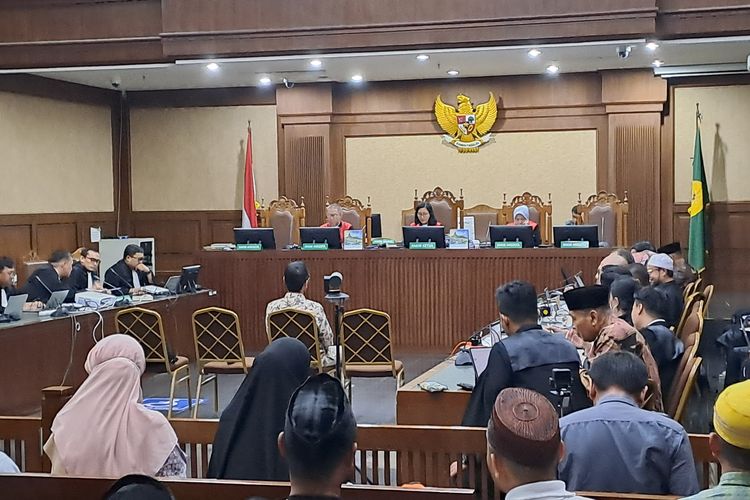
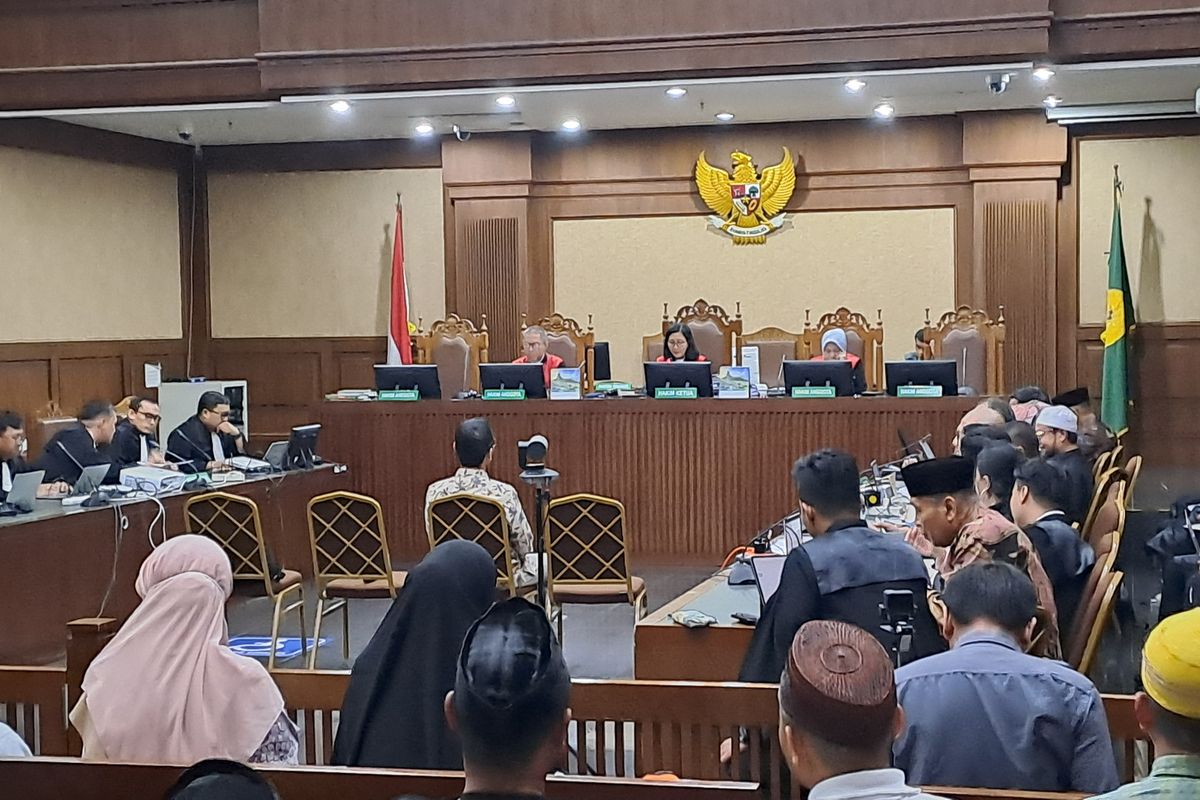
Richo made these remarks while serving as an expert witness in the trial concerning the alleged corruption of additional hajj quotas for 2023–2024 at the Jakarta Central Corruption Court on Wednesday (21/10/2026).
Initially, the prosecutor asked Richo to explain the substance of Article 8 and Article 9 of Law Number 8 of 2019 regarding the Organization of Hajj and Umrah, specifically about the determination of Indonesia's hajj quotas and additional quotas.
Article 8 stipulates that Indonesia's hajj quota is set by the minister and comprises both regular and special hajj quotas.
Meanwhile, Article 9 states that if there is an increase in quotas after the establishment of Indonesia's hajj quota, the minister will establish additional hajj quotas.
The mechanism for filling the additional quotas is provided for by ministerial regulations.
The prosecutor then asked whether additional hajj quotas fall under the purview of Indonesia's hajj quotas.
"Yes," Richo replied.
During the trial, the prosecutor also questioned whether implementing regulations must align with the laws that serve as their foundation.
Richo explained that implementing regulations are necessary for the provisions in the law to be applied in a more technical and operational manner.
However, those regulations must not contradict higher legal statutes.