
Documents Required for Vice Presidential Candidate to Replace Gibran Need to be Released, Analyst: To Build Public Trust
-
News
-
28 minutes ago
This article was translated by AI. Read the original article on Kompas.com. See Original
JAKARTA, KOMPAS.com – Richo Andi Wibowo, an expert in Administrative Law from Gadjah Mada University (UGM), stated that special staff members essentially do not have the authority to make strategic decisions, including decisions regarding the haj quota that is currently under scrutiny.
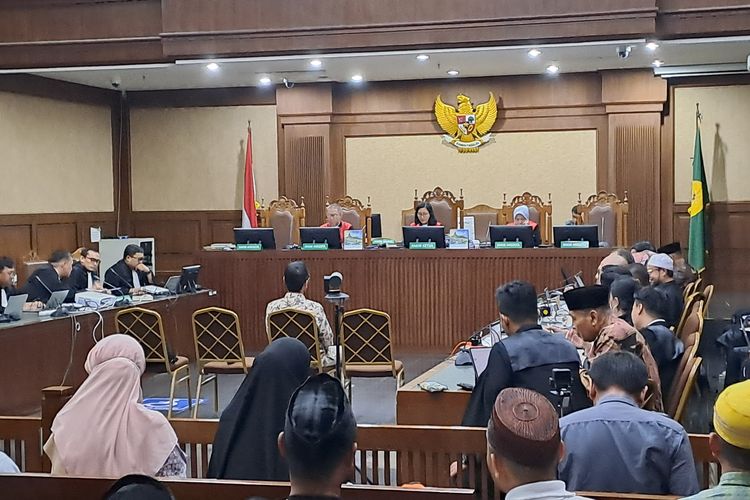
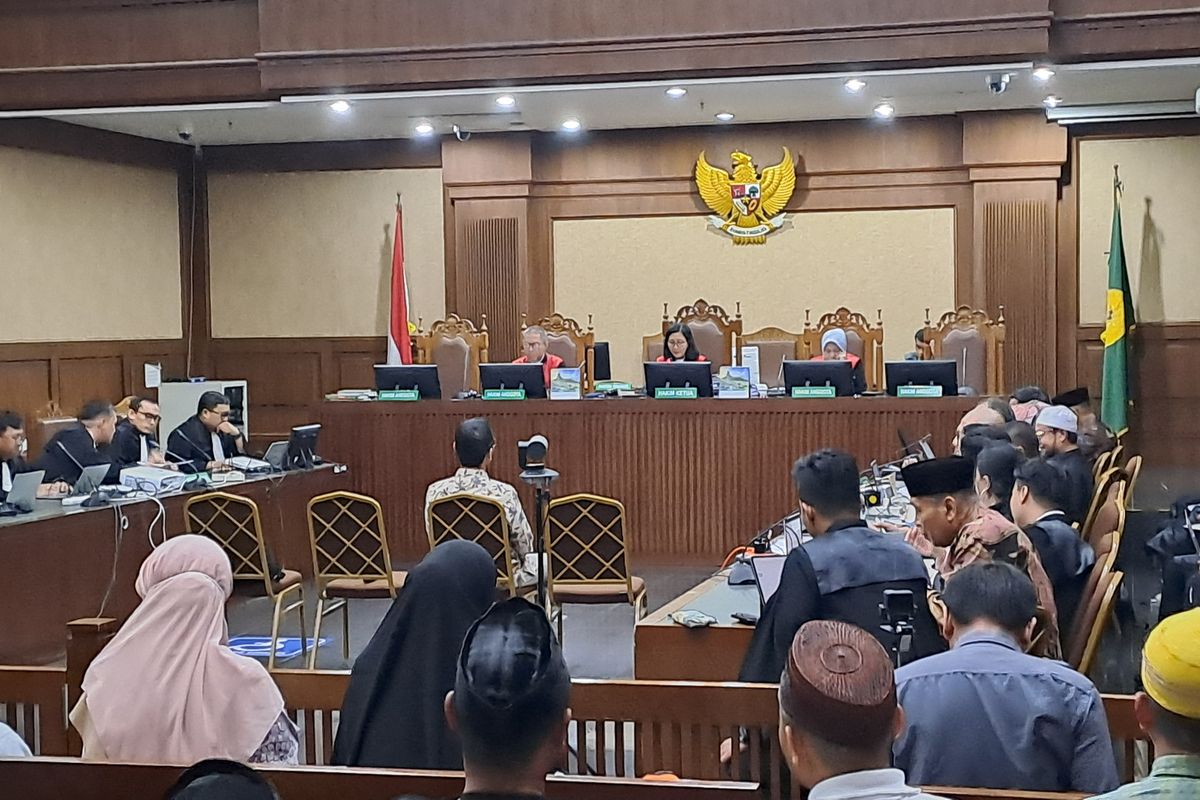
"The main point is that they are not in a position to make strategic decisions. Their role is attached to the leadership, providing advice and support for the leaders," Richo said while testifying in the trial concerning the alleged corruption of additional haj quotas for 2023–2024 at the Corruption Court (Tipikor) in Central Jakarta on Wednesday (21/10/2026).
According to Richo, special staff can come from outside the ministry or agency. However, individuals from within the organization are also allowed to hold such positions.
He explained that the appointment of special staff is a choice made by the leadership. Therefore, logically, the chosen individual may have a close relationship with the appointing leader.
Moreover, the special staff primarily serves to provide insight and recommendations to the leadership.
"Their general function is to support the leadership," Richo stated.
In the same trial, the legal counsel also explored the issue of special staff assignments that were not documented in a decree but were given verbally by the leadership.
Richo explained that from the perspective of Administrative Law, sources of authority consist of attribution, delegation, and mandate.
He noted that assignments given through a mandate mechanism have consequences for administrative responsibility.
In that mechanism, the responsibility essentially lies with the mandator.
Despite this, Richo emphasized that administrative responsibility is distinct from criminal responsibility.
In this case, the Corruption Eradication Commission (KPK) has charged four individuals, including former Minister of Religious Affairs Yaqut Cholil Qoumas, former special staff of the Minister Isfah Abidal Aziz, also known as Gus Alex, Director of PT Makassar Toraja (Maktour) Ismail Adham, and Chairman of Kesthuri as well as Commissioner of PT Raudhah Eksati Utama, Asrul Azis Taba.
The KPK has stated that the management of additional haj quotas for 2023-2024 resulted in state losses amounting to at least Rp 622.09 billion.
This figure is based on the Investigative Audit Report from the Indonesian National Audit Office (BPK RI) assessing the state losses concerning Indonesia's haj quotas during the 2023-2024 pilgrimage.
The state losses consist of a difference between the income and expenses of the Haj Service Office (PIHK) in organizing the haj for 2024 amounting to Rp 438.2 billion, income from the sale of special haj quota tickets for 2024 of Rp 39.95 billion, and fees for accelerating the filling of additional special haj quotas for 2023 and 2024 totaling Rp 143.92 billion.
In this matter, the defendants are charged with violating Article 3 in conjunction with Article 18 of Law Number 31 Year 1999 regarding the Eradication of Corruption Crimes, as amended by Law Number 20 Year 2001, in conjunction with Article 20 letter c of Law Number 1 Year 2023 concerning the Criminal Code.