

Prohibition on Withholding Employee Diplomas: Is There a Need for Derivative Regulations and Stricter Oversight?
-
News
-
Just now
This article was translated by AI. Read the original article on Kompas.com. See Original
TASIKMALAYA, KOMPAS.com - The 600th Air Force Education Wing (Wingdik 600/Kal) has proposed the establishment of a new education squadron (Skadik) to separate basic and advanced training for enlisted personnel.
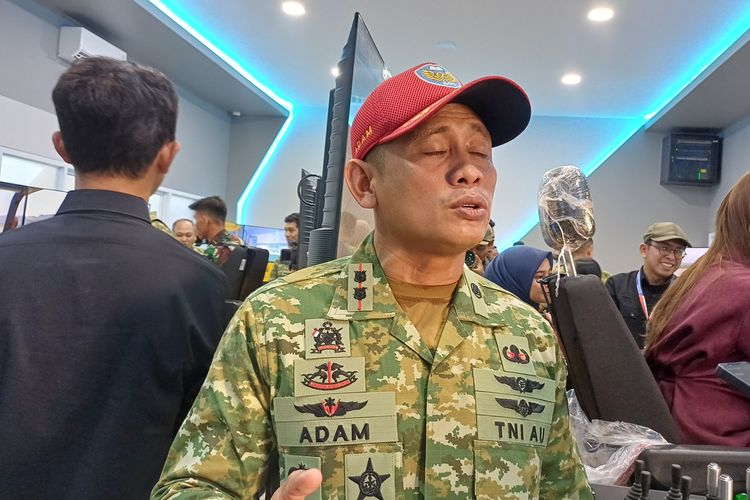
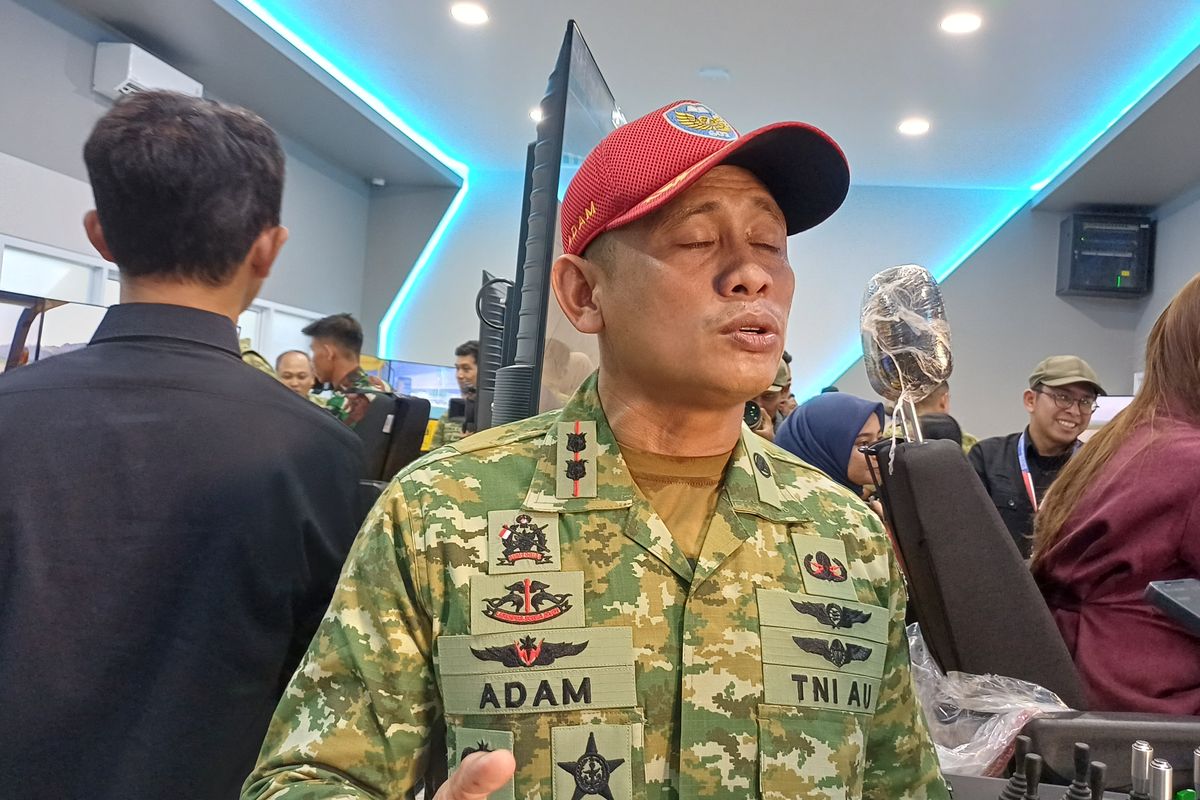
“Currently, we are working on establishing Skadik 603, where basic training will take place at 603,” said the Commander of Skadik 602 Wingdik 600/Kal, Lt. Col. (Kal) Muhammad Danial Adam, during a visit to Skadik 602 Wingdik 600/Kal in Cibeureum, Tasikmalaya, West Java, on Tuesday (20/10/2026).
“Then, advanced training will be conducted in 602. But we are still proposing it for organizational validation,” he added.
Currently, Wingdik 600/Kal operates two squadrons: Skadik 601 and Skadik 602.
“For now, we have two Skadiks. Skadik 601 is specifically for officers, while Skadik 602 is currently for enlisted personnel,” Adam stated.
The Commander of Wingdik 600/Kal, Colonel (Kal) Rado Parulian Purba, explained that his unit's task is to train Air Force personnel in the logistics field.
Before serving at various air bases (Lanud), logistics personnel must undergo training at Wingdik 600/Kal.
“(Logistics personnel) from Sabang to Merauke participate in training here. Thus, this is the center of excellence for the education of TNI Angkatan Udara's logistics field,” Rado remarked on the same occasion.
At Skadik 602 Wingdik 600/Kal, prospective logistics personnel train using simulators before operating similar equipment in their respective units.
There are four types of simulators: refueller, forklift, towing tractor, and cargo loader.
Refuellers are used to transfer fuel from storage tanks to aircraft.
Forklifts assist in lifting heavy goods, including engine components.
Towing tractors are used for pulling equipment, while cargo loaders aid in loading and unloading aircraft cargo.
For students, simulators provide a place to learn equipment operations before performing duties in operational units.
Rado mentioned that the education generally lasts for two months. Before the practical sessions, students first receive classroom instruction.
After completing their education, they return to their units to apply the skills learned.
“After this training, they can perform their duties and apply it in the unit,” Rado stated.