
KPK Investigates Former Head of BPK Central Java Over Audit Manipulation in Pemalang
-
News
-
Just now
This article was translated by AI. Read the original article on Kompas.com. See Original
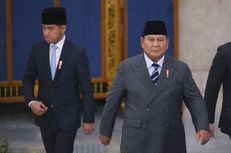
ON October 20, 2026, the administration of President Prabowo Subianto and Vice President Gibran Rakabuming Raka will reach its two-year mark.
A range of political promises made during the campaign have been pursued for realization.
Some have shown progress, while others still face challenges in implementation.
In the realm of foreign policy, the first two years of Prabowo's administration have been characterized by intensive diplomatic activities.
From the outset of his presidency, the President has expressed a desire to expand Indonesia's involvement in various international forums, including joining BRICS and participating in international peace initiatives like the Board of Peace.
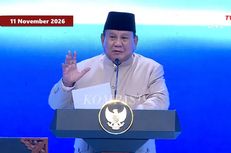
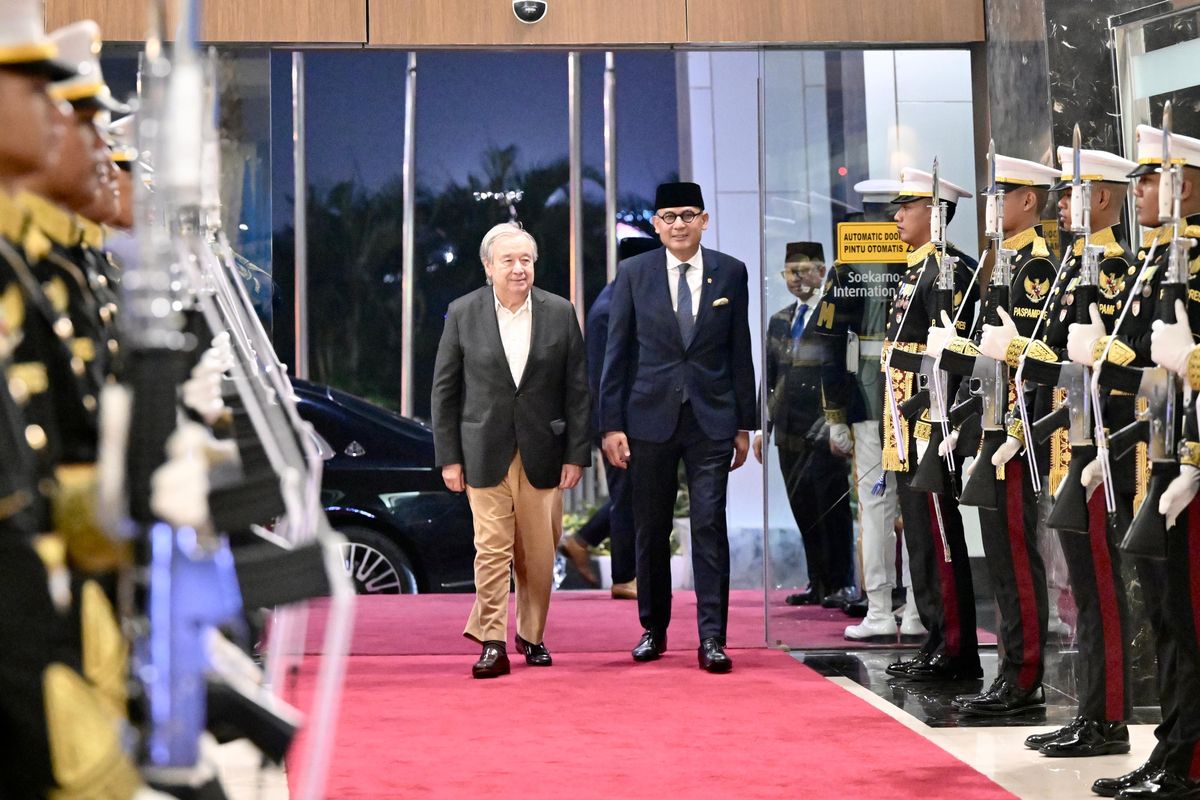
President Prabowo appears to move quickly, traveling from one country to another, from one international meeting to the next, including attending and speaking at the United Nations General Assembly.
The President actively builds communication with world leaders.
Summit diplomacy has emerged as a prominent feature of Indonesia's foreign policy execution.
This intensified diplomacy by the President is noteworthy, especially given that the position of Minister of Foreign Affairs (Menlu) was entrusted to Sugiono, a politician closely aligned with the President.
This situation raises questions about the division of roles between the President and the Menlu in conducting Indonesia's diplomacy.
Approaching the second anniversary of his administration, Prabowo replaced Sugiono with Arrmanatha Christiawan Nasir, a career diplomat with extensive experience in bilateral and multilateral diplomacy.
This change raises deeper questions.
Is President Prabowo beginning to shift his diplomatic style by allowing greater space for the Menlu and the Ministry of Foreign Affairs (Kemlu) to manage diplomatic execution?
In a presidential system, direct involvement of the head of state in diplomacy is quite common.
The President has constitutional authority in the administration, including determining the direction of foreign policy.
Summit diplomacy is becoming increasingly important in contemporary international relations.
Issues such as trade, investment, security, climate change, and geopolitical conflicts often require direct political decisions from national leaders.
In diplomatic studies, the practice of summit diplomacy facilitates faster communication, builds personal trust, and paves the way for resolving issues that are difficult to tackle through bureaucratic channels.
President Prabowo seems to be leveraging this approach to expand Indonesia's international networks.
Relations with the United States, China, Russia, and other countries gain attention through direct communication at the leadership level.
However, summit diplomacy and personal diplomacy have limitations. Understandings reached among leaders do not necessarily translate into concrete cooperation right away.
Political agreements still require technical negotiations, drafting legal instruments, inter-agency coordination, and ongoing follow-up.