

Unraveling Gibran's Narrowing Legal Path Amidst Diploma Controversy
-
News
-
4 minutes ago
This article was translated by AI. Read the original article on Kompas.com. See Original
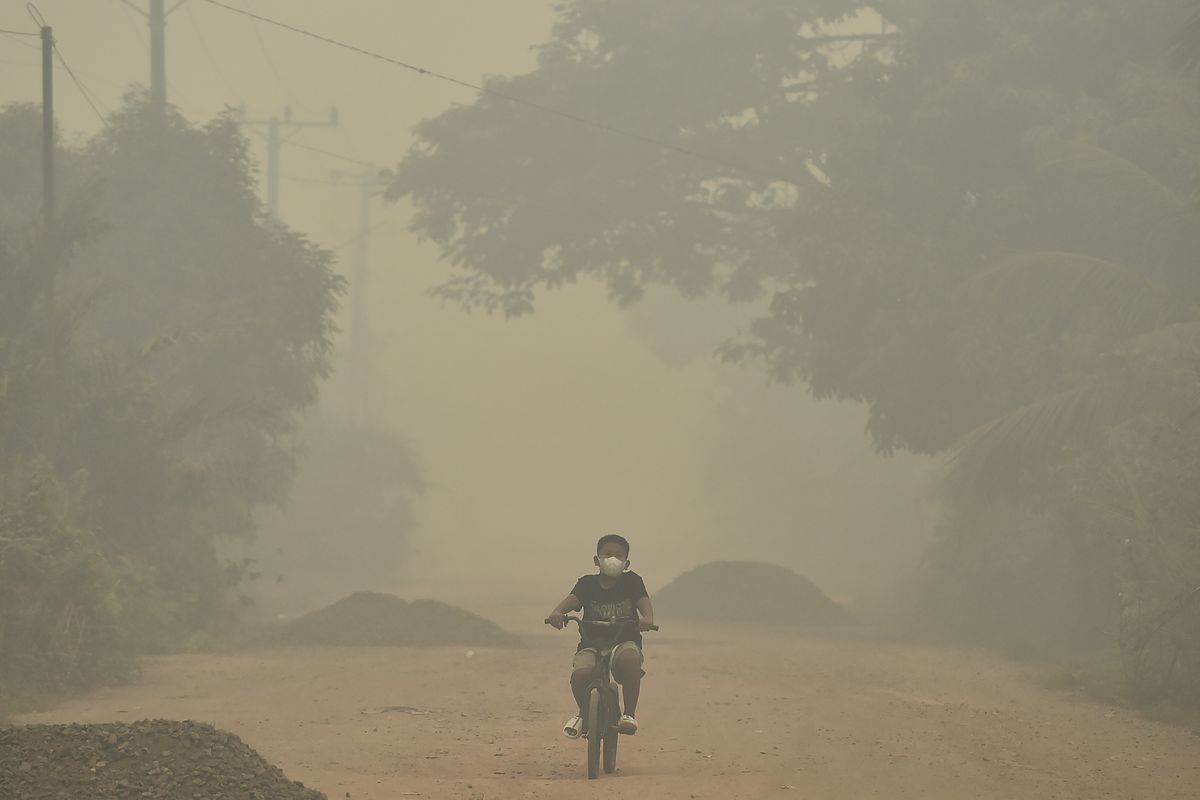
JAKARTA, KOMPAS.com - The Chairman of the Central Leadership of Muhammadiyah (PP Muhammadiyah), Haedar Nashir, has demanded that the business sector take responsibility for the forest and land fires (Karhutla) that have been occurring in various regions across Indonesia.
In Statement No. 87/PER/I.0/H/2026, Haedar explicitly urged all business actors to conduct economic activities ethically and prevent fires in areas under each company's responsibility.
"Environmental compliance must be manifested in concrete actions and should not be limited to administrative fulfillment or corporate social activities," Haedar stated in his remarks on Tuesday (20/10/2026).
"Business actors proven to be responsible must bear legal consequences and undertake recovery for the damage and losses in accordance with applicable regulations," he continued.
In addition to highlighting the responsibilities of the business sector, Haedar stressed the importance of restoring the livelihoods of communities and the environment following the Karhutla disasters.
He called on the government to ensure continued support and recovery for affected communities, covering health, education, and sources of livelihood.
Haedar mentioned that the restoration of forests and land must be carried out earnestly to prevent damage from being passed on to future generations.
"Local communities and small farmers need protection and assistance to manage land sustainably without burning. Recovery policies must be just and involve the affected communities," he asserted.
In addition to this statement, Haedar also raised concerns about the government's seriousness in handling Karhutla, including necessary improvements in prevention and strict law enforcement without discrimination.
He also urged for strengthening community responsibility and solidarity, as well as activating Muhammadiyah's tangible efforts to provide services to Karhutla victims.
"Muhammadiyah asserts that Karhutla should not be normalized as an annual disaster that continually burdens the people," he said.
"The seriousness of the government, authorities, and the business sector must be demonstrated through tangible actions to ensure the protection of communities, address violations, recover damages, and prevent fires from recurring," he concluded.