

Kemdiktisaintek Simplifies Academic Position Equivalency for Indonesian Faculty Abroad
-
News
-
7 minutes ago
This article was translated by AI. Read the original article on Kompas.com. See Original
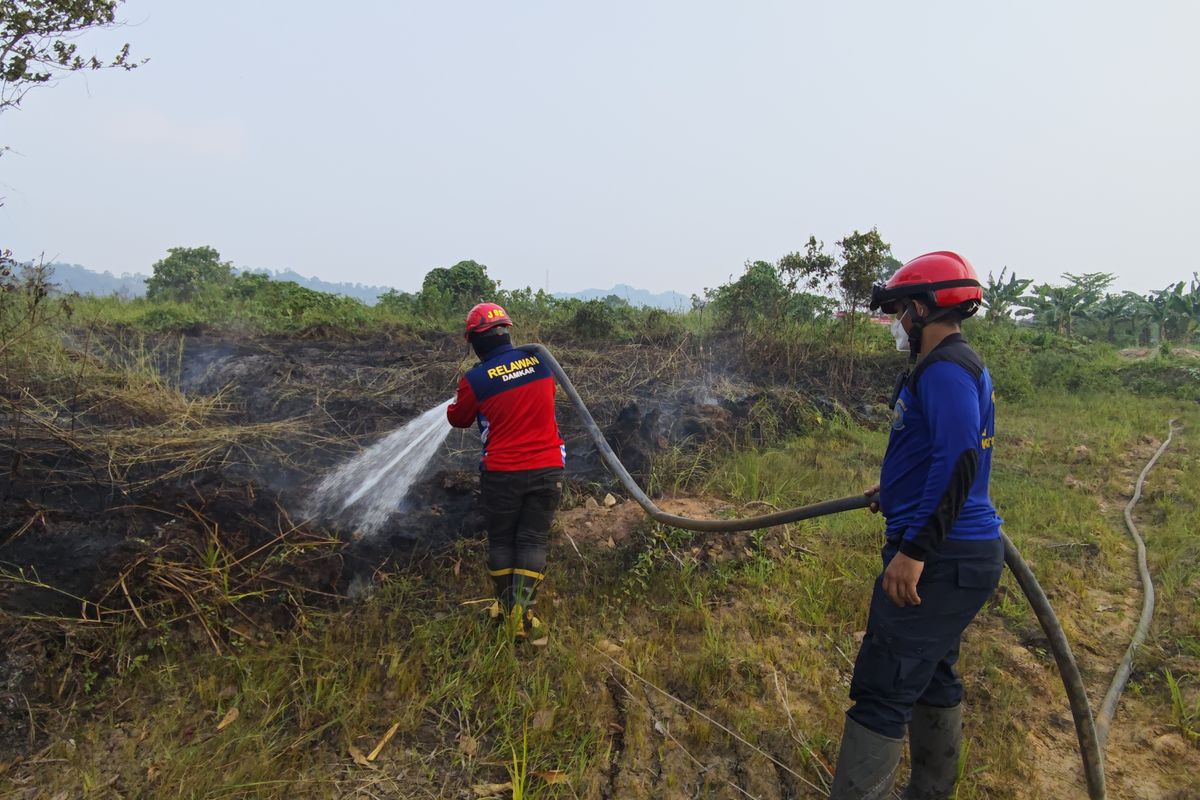
JAKARTA, KOMPAS.com - President Prabowo Subianto has officially inaugurated officials for the newly established National Peatland and Mangrove Management Agency (BPGMN) to strengthen efforts in preventing forest and land fires (karhutla).
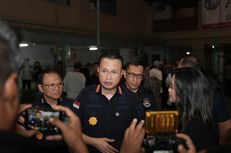
On Thursday (15/10/2026), Satyawan Pudyatmoko was appointed as the Head of BPGMN, with Major General TNI Sriyanto as the Deputy Head.
This inauguration marks the beginning for BPGMN to carry out its mandate.
The agency is now preparing a series of initiatives to protect peatland ecosystems while safeguarding communities from recurring fire threats.
Satyawan revealed that their priorities include restoring peat conditions to keep them wet, promoting water-friendly commodity cultivation, and enhancing forest area supervision.
One of BPGMN's initial steps is to restore the natural state of peatland to remain moist and wet, especially during dry seasons.
Satyawan explained that he and Sriyanto will develop a plan for canal mapping and constructing barriers to hold back water flow.
This initiative aims to maintain soil moisture in peatlands, making them less susceptible to fire as rain levels decrease.
“What we are doing, myself and Mr. Sriyanto (Deputy Head of BPGMN), will firstly involve creating a plan to ensure the peat remains moist and wet,” stated Satyawan during an interview at the State Palace on Thursday.
According to Satyawan, a fundamental issue in peat management in Indonesia is the alteration of natural wetland conditions to dry ones.
“Peat catches fire when there are attempts to change its natural character from wet and moist to dry. This is the main problem in peat management in Indonesia,” Satyawan said.
To ascertain appropriate restoration steps, BPGMN will also map areas based on Hydrological Unity Points (KHG).
This mapping is essential for identifying areas that need prioritization in restoration efforts.
Therefore, fire prevention measures should not solely rely on immediate response when fires occur but also focus on improving conditions of fire-prone lands.