

Minister: Harapan Kita Hospital Achieves Financial Independence and BPJS Patient Subsidies
-
News
-
4 hours ago
This article was translated by AI. Read the original article on Kompas.com. See Original
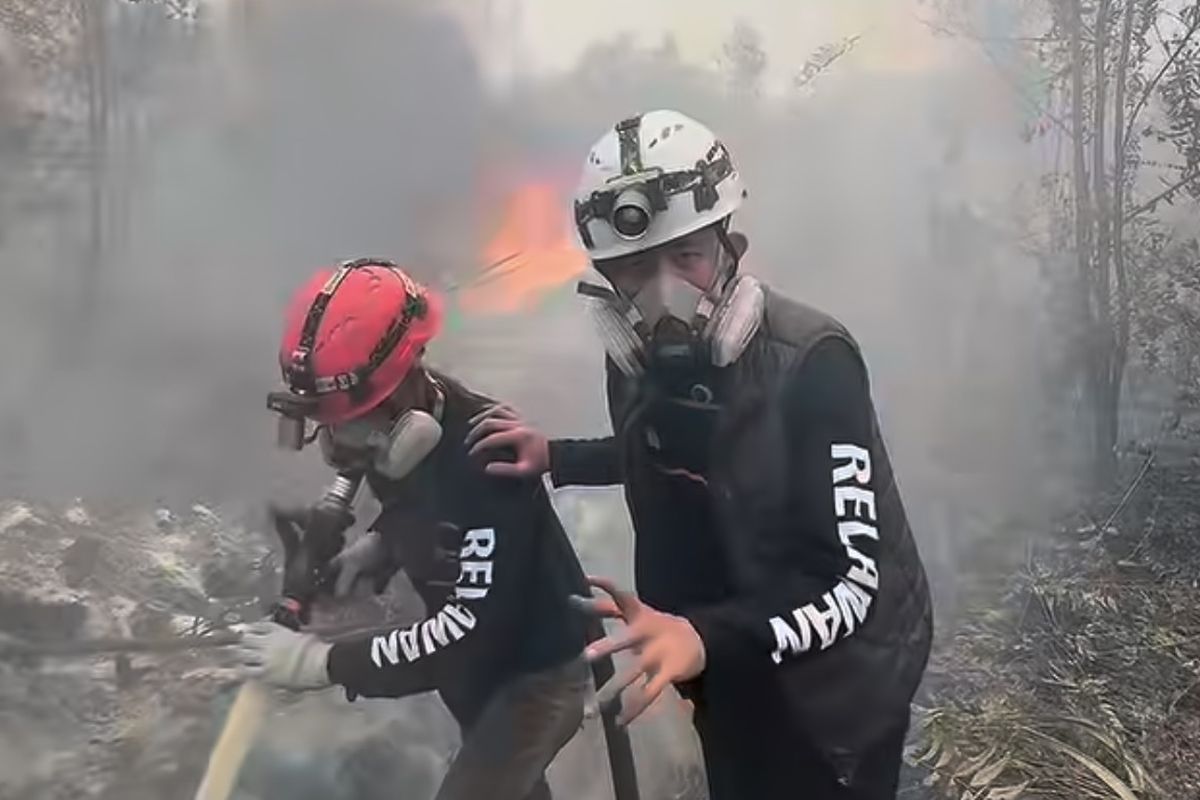
JAKARTA, KOMPAS.com - The National Disaster Mitigation Agency (BNPB) reported that forest and land fires (karhutla) in Central Kalimantan and South Sumatra are still classified as severe.
Meanwhile, four other priority provinces—West Kalimantan, South Kalimantan, Riau, and Jambi—are said to be improving.
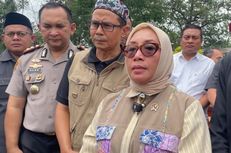
“As of October 13, our focus in handling karhutla is on Central Kalimantan and South Sumatra, where the situation remains critical due to severe fires,” stated Berton SP Panjaitan, Acting Head of the Data, Information and Disaster Communication Center at BNPB, during a press conference at the Coordinating Ministry for Political, Legal and Security Affairs in Jakarta on Wednesday (October 14, 2026).
“The other four provinces are relatively safe, showing improvement, and fires are easier to extinguish,” he added.
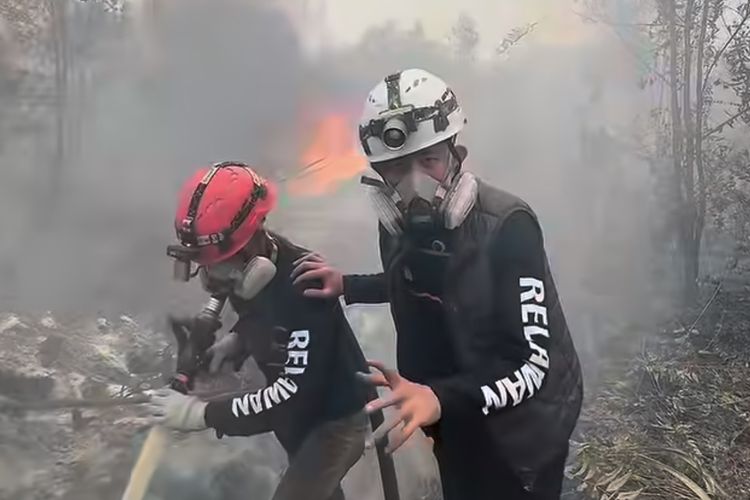
Berton explained that ground operations are prioritized for fire suppression as they are considered more effective for reaching hotspots, especially those located on peatland.
“Air operations can extinguish fires immediately but do not penetrate deep into the peat. Therefore, ground operations are generally more effective,” Berton continued.
BNPB is also maximizing weather modification operations (OMC) to induce rainfall.
However, the implementation depends on the availability of clouds suitable for seeding.
Berton mentioned that handling karhutla involves various stakeholders, including the military (TNI), police (Polri), ministries and agencies, local governments, the business sector, non-governmental organizations (NGOs), and the community.
Ground task forces continue to carry out extinguishing efforts, containment, cooling, and monitoring.
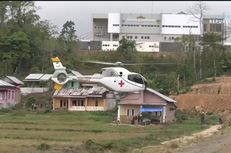
Meanwhile, air task forces operate according to weather conditions and visibility, including monitoring hotspots, field verifications, and OMC.
According to Berton, the success in managing karhutla can be measured by the reduction in burned land area and improvement in air quality.
“However, we must recognize that the only way to resolve this is through consistent, high-volume rainfall,” he stated.
“And we hope that fires do not reoccur. Sometimes, dear media friends, we have extinguished surface fires, but underground they still remain. Two days later, they resurface,” he concluded.