

On Vice Presidential Election in the MPR, PKB: If Possible, Consensus
-
News
-
23 minutes ago
This article was translated by AI. Read the original article on Kompas.com. See Original
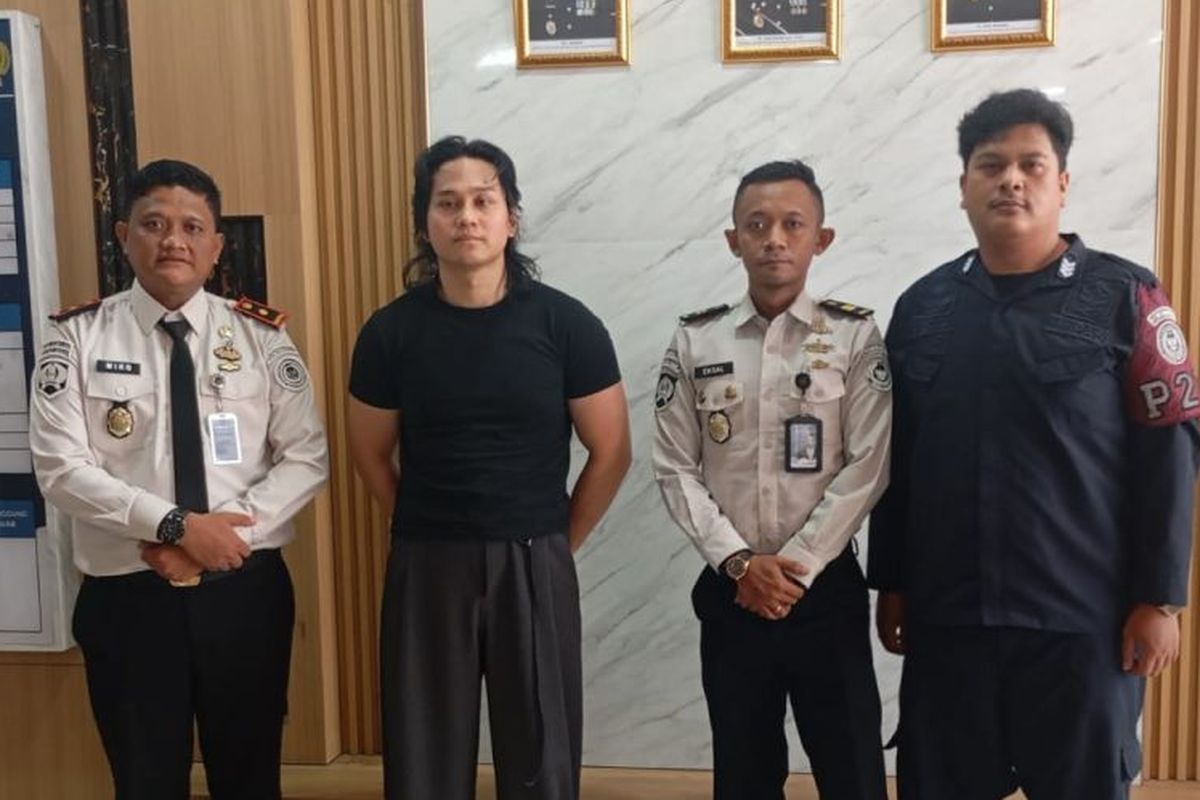
THE SYSTEM of correction in Indonesia is again under public scrutiny. This follows the decision by the Directorate General of Corrections (Ditjenpas) to revoke parole (PB) for two high-profile inmates: Indra Kesuma, also known as Indra Kenz, and Muhammad Subchi Azal Tsani, or Bechi.
On October 8, 2026, both were forced to return behind bars after their parole status was evaluated and canceled.
The revocation for Indra Kenz stemmed from findings of an internal investigation regarding procedural violations, including allegations of remission issues and luxurious facilities at Cibinong Class IIA Prison.
Meanwhile, in Bechi's case, his status was annulled due to indications of maladministration in the granting of that right.
Ditjenpas's corrective actions are commendable, yet they reignite debates and raise numerous questions.
Granting rights to integration, particularly parole for high-profile inmates who attract public attention, consistently places the correction system in a dilemma.
On one hand, the state is obligated to grant rights to inmates who meet legal requirements.
On the other hand, there is a significant demand to uphold the public's sense of justice, especially if the crimes committed have harmed many people, the victims have not yet recovered, or if the cases have left lasting wounds in the community.
This dilemma becomes more complicated when parole decisions fuel public suspicion concerning alleged procedural abuses and integrity violations within the correctional system.
It is essential for the public to understand that parole is not a reward, a pardon, or a penalty discount.
It is a conditional right, legally regulated under the Correctional Law and the Penal Code.
The purpose is purely for rehabilitation and social reintegration, motivating inmates to behave well before fully re-entering society.
Thus, granting this right is actually part of the sentencing process itself.
The problem is that normative rules alone are insufficient. Rights guaranteed by law need reliable implementation.
When the public sees a convict receiving parole amidst rumors of luxurious facilities, as in the Indra Kenz case, or due to alleged maladministration as in Bechi's situation, it is understandable that public trust in the prison system rapidly diminishes.

























