

Minister: Heart Disease Leads to Most Deaths Among Indonesians, 300,000 Each Year
-
News
-
4 minutes ago
This article was translated by AI. Read the original article on Kompas.com. See Original
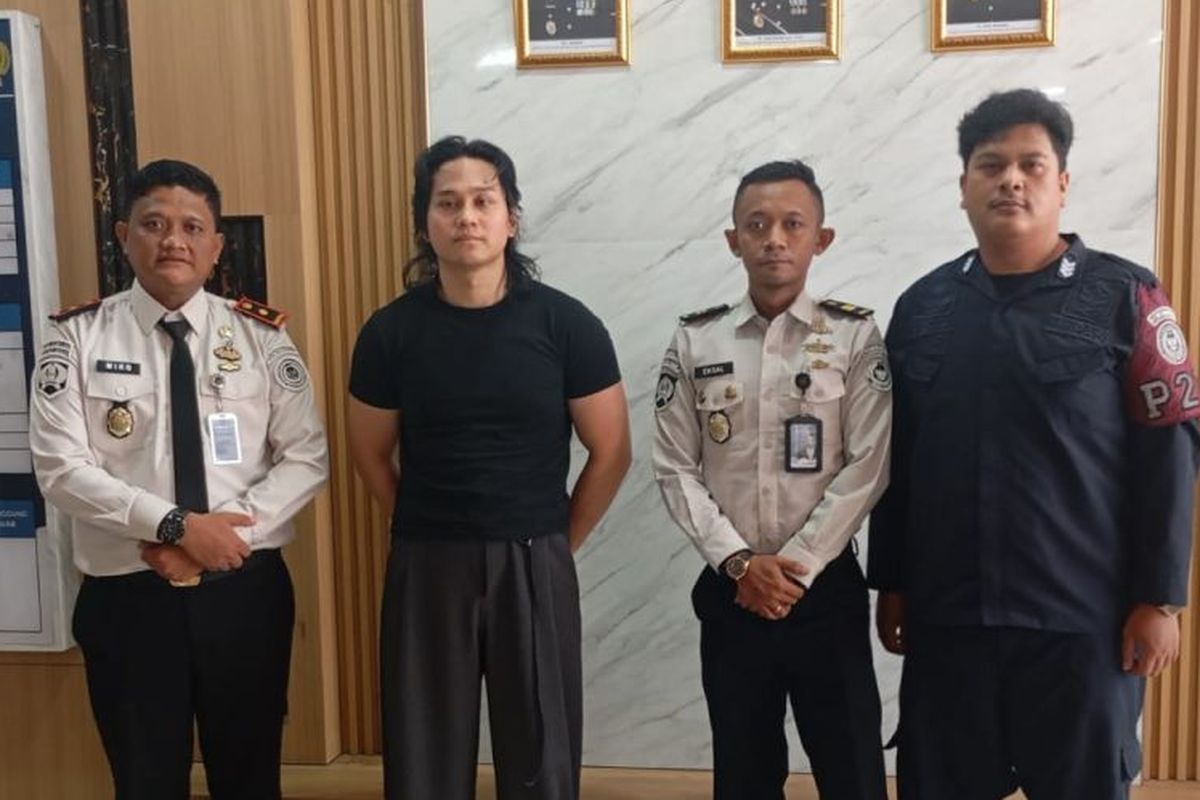
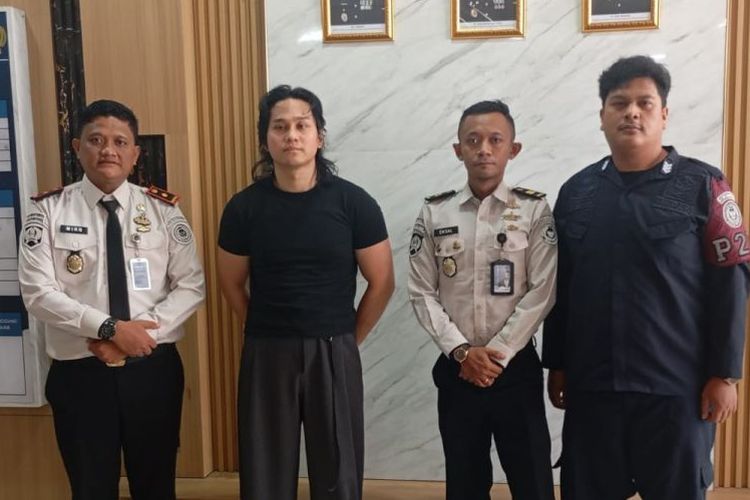
THE SYSTEM of correction in Indonesia is again under public scrutiny. This follows the decision by the Directorate General of Corrections (Ditjenpas) to revoke parole (PB) for two high-profile inmates: Indra Kesuma, also known as Indra Kenz, and Muhammad Subchi Azal Tsani, or Bechi.
On October 8, 2026, both were forced to return behind bars after their parole status was evaluated and canceled.
The revocation for Indra Kenz stemmed from findings of an internal investigation regarding procedural violations, including allegations of remission issues and luxurious facilities at Cibinong Class IIA Prison.
Meanwhile, in Bechi's case, his status was annulled due to indications of maladministration in the granting of that right.
Ditjenpas's corrective actions are commendable, yet they reignite debates and raise numerous questions.
Granting rights to integration, particularly parole for high-profile inmates who attract public attention, consistently places the correction system in a dilemma.
On one hand, the state is obligated to grant rights to inmates who meet legal requirements.
On the other hand, there is a significant demand to uphold the public's sense of justice, especially if the crimes committed have harmed many people, the victims have not yet recovered, or if the cases have left lasting wounds in the community.
This dilemma becomes more complicated when parole decisions fuel public suspicion concerning alleged procedural abuses and integrity violations within the correctional system.
It is essential for the public to understand that parole is not a reward, a pardon, or a penalty discount.
It is a conditional right, legally regulated under the Correctional Law and the Penal Code.
The purpose is purely for rehabilitation and social reintegration, motivating inmates to behave well before fully re-entering society.
Thus, granting this right is actually part of the sentencing process itself.
The problem is that normative rules alone are insufficient. Rights guaranteed by law need reliable implementation.
When the public sees a convict receiving parole amidst rumors of luxurious facilities, as in the Indra Kenz case, or due to alleged maladministration as in Bechi's situation, it is understandable that public trust in the prison system rapidly diminishes.
Therefore, the cases of Indra Kenz and Bechi should serve as both a wake-up call and a reminder. Justice in granting parole must rest on two solid, complementary foundations.
First, the procedures must be straight: lawful, transparent, with consistent requirements, and officials issuing the decrees must be held accountable.
Second, substantively, it must make sense. There must be an objective assessment that the inmate has truly changed, poses a low risk, and is genuinely ready to return to society.
Essentially, the solution to this polemic lies not in revoking the parole rights of high-profile inmates but in improving the quality and transparency of assessments.
The criteria for successful parole should not only hinge on sufficient detention time, good behavior, or merely having orderly administrative files. There must be concrete indicators of behavioral change.
Especially for crimes that have inflicted harm on many victims, the perspectives and sense of justice for the victims should be heard and considered, although it does not mean they have absolute veto power over the fulfillment of inmates' rights.
In the end, the correction system does not need to choose between defending inmates' rights or mitigating public outrage. Both can be harmonized through a system that is clean, consistent, and accountable.
The rights of inmates must not be stripped away simply because their cases are condemned by the public, nor should these rights be used as a loophole for fraudulent procedures or preferential treatment.

























