

Prabowo Instructs Renovation of All Community Health Centers and Every District to Have a Good Hospital
-
News
-
13 minutes ago
Editor
This article was translated by AI. Read the original article on Kompas.com. See Original

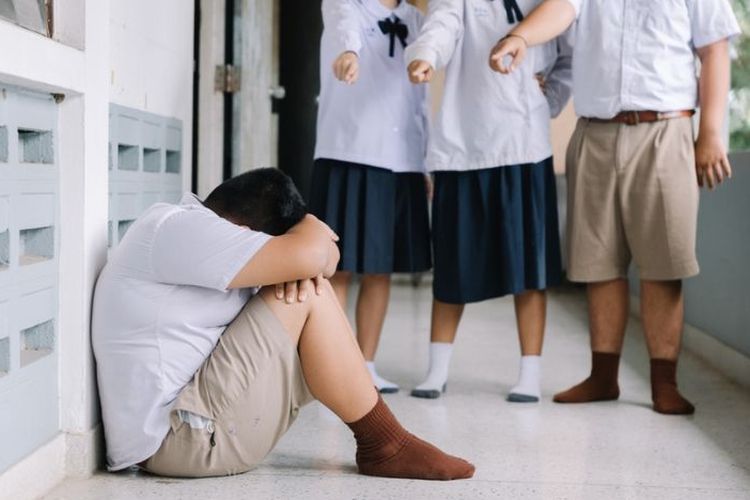
JAKARTA, KOMPAS.com - Deputy Chair of the People's Consultative Assembly (MPR) Lestari Moerdijat emphasized that preventing violence and bullying in schools must be pursued consistently, as every child has the right to feel safe.
“If even one child is afraid to come to school due to threats of violence, we have failed as a nation. Prevention and child protection must be consistently implemented, not just on paper,” Lestari stated in a press release in Jakarta on Tuesday (13/10/2026).
Indonesia already has a legal framework in place, including Law Number 35 of 2014 on Child Protection and Ministerial Regulation Number 6 of 2026 on Safe and Comfortable School Culture.
However, she pointed out that the main issue lies in the implementation of existing regulations. Therefore, she encourages concrete actions to prevent violence, including strengthening complaint mechanisms and rapid response systems in every educational institution.
“Schools must have standardized procedures that ensure every report of violence is addressed promptly, transparently, and involves parents as well as authorities,” the education legislator remarked.
The capacity of teachers and education staff to recognize and handle bullying also needs improvement. Lestari highlighted findings from the Indonesian Child Protection Commission that some teachers still do not understand bullying.
“Teachers are on the front line. They must be trained to be sensitive to signs of violence, including psychological forms,” she stated.
On another note, the strengthening of supervision and periodic evaluations by education authorities and local governments must be carried out continuously, and victim recovery should not only stop at physical care but extend to psychological trauma recovery.
Moreover, she reminded that child perpetrators of violence also require appropriate intervention. The approach towards child offenders must prioritize rehabilitation rather than mere punishment.
Lestari hopes that all education stakeholders commit to making child protection a top priority.
“Schools, which should be the safest spaces for children, are instead becoming sites of violence. This cannot be allowed to continue,” Lestari stressed.

























