
Another Officer Rotation, Kompolnas: Long-serving Police in Java Need to be Transferred Outside the Island
-
News
-
33 minutes ago
This article was translated by AI. Read the original article on Kompas.com. See Original
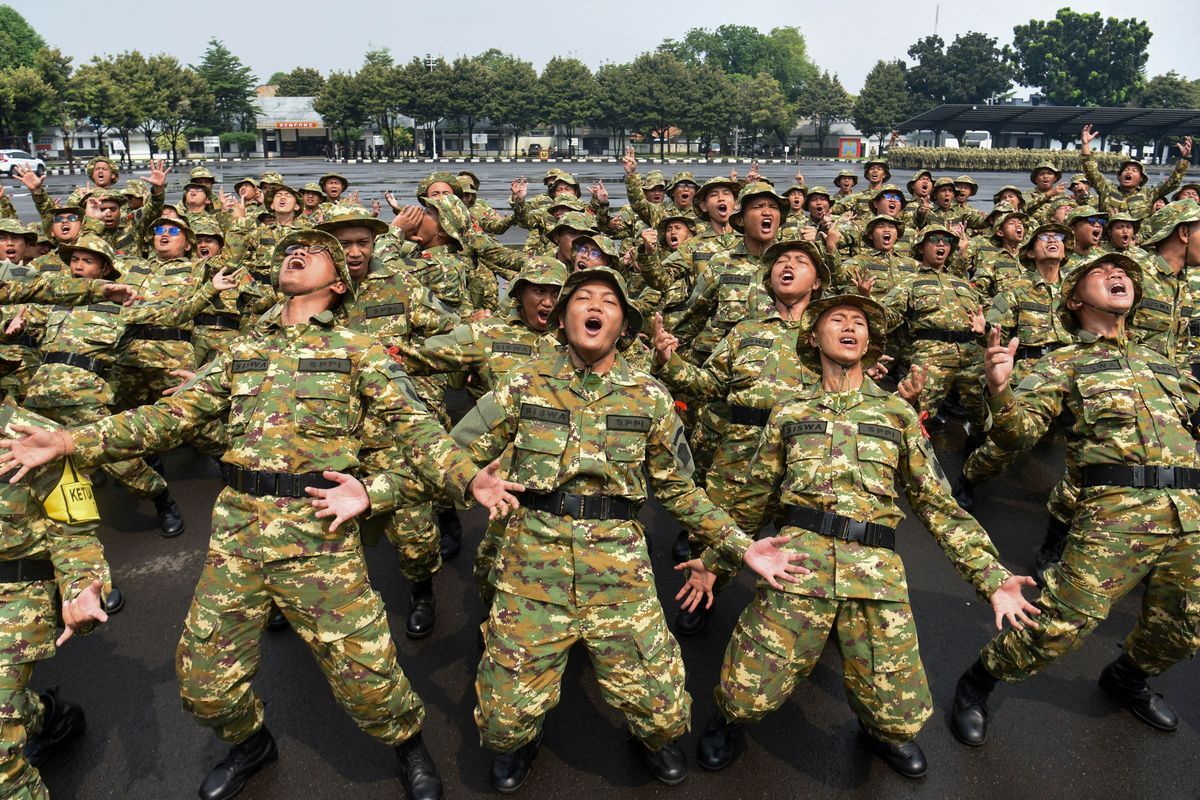
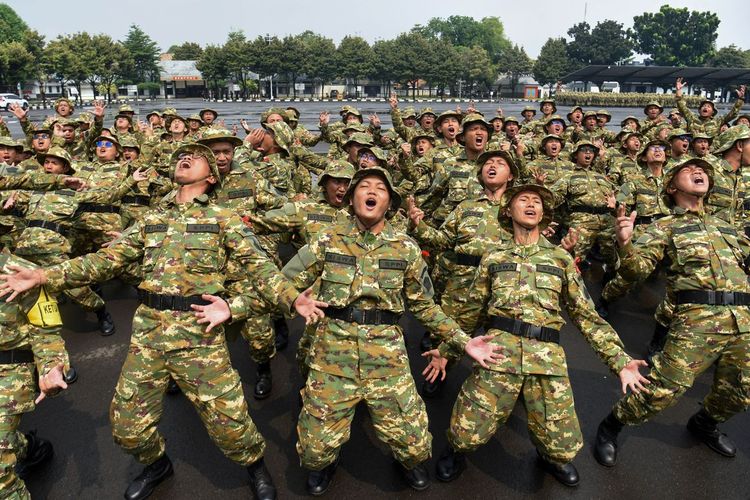
JAKARTA, KOMPAS.com - The Military Basic Training (Latsarmil) for prospective managers of the Merah Putih Village Cooperative (KDKMP) stands out as a significant event during the two-year tenure of President Prabowo Subianto and Vice President Gibran Rakabuming Raka.
The program aimed at equipping prospective managers has received substantial criticism following the deaths of five participants during the training, namely Yonanda Muhammad Taufiq, Anisa Muyassaroh, Novia Ramadani Sihotang, Muhammad Rifki Renaldi Gunawan, and Nola Dya Sari.
Medical examinations revealed varied causes of death among the participants, including cardiac arrest, heat stroke, active tuberculosis, and pneumonia with medical complications.
Following the fatalities, the Ministry of Defense immediately altered the training format by removing technical and tactical military content, including shooting exercises, rifle squad tactics, and other related tactical military activities.
Cooperatives Minister Ferry Juliantono also acknowledged the mismatch in training formats at the initial stage.
He stated that management, finance, cooperatives, and social interaction skills now receive greater emphasis.
So, how should the training for prospective Merah Putih village cooperative managers be structured to meet job requirements, ensure participant safety, and develop competent cooperative managers?
Public policy observer from the University of Indonesia, Riant Nugroho, believes that military training for prospective development facilitators could be modeled after the assignment of graduate workers to various regions, a practice initiated during the New Order era.
During that time, there were volunteer workforce programs and Indonesian Volunteer Workforce Management (Butsi), which placed graduate workers in various areas, including remote regions.
"So this idea might be getting repeated," said Riant when contacted by Kompas.com on Tuesday (13/10/2026).
However, he noted that training for cooperative managers should differ from military education aimed at developing soldiers.
While instilling discipline and mental conditioning could be part of the training, the training methods should be aligned with the participants' duties after being placed in cooperatives.
"The training should not be overly military-like," Riant emphasized.
He argued that physical training resembling soldier education is not the primary need for prospective cooperative managers.
"So carrying backpacks and hiking shouldn't actually be a part of it. The focus should be on how military discipline can be instilled instead," Riant stated.
According to him, the preparation for prospective managers can be divided into discipline training and technical skills training.
Both have different objectives, and thus, the materials and methods used should be tailored accordingly.
For technical skills, Riant suggested that the government leverage existing Vocational Training Centers (BLK) managed by various ministries and local governments.
"So we tap into the already funded resources to economize on the training of these prospective cooperative managers," Riant noted.
Utilizing available facilities, he stated, can be an alternative to provide training suited to job needs without constructing a new training system.