

Bareskrim Searches 2 Locations Related to DSSA Stock Market Crime Case
-
News
-
1 minute ago
This article was translated by AI. Read the original article on Kompas.com. See Original
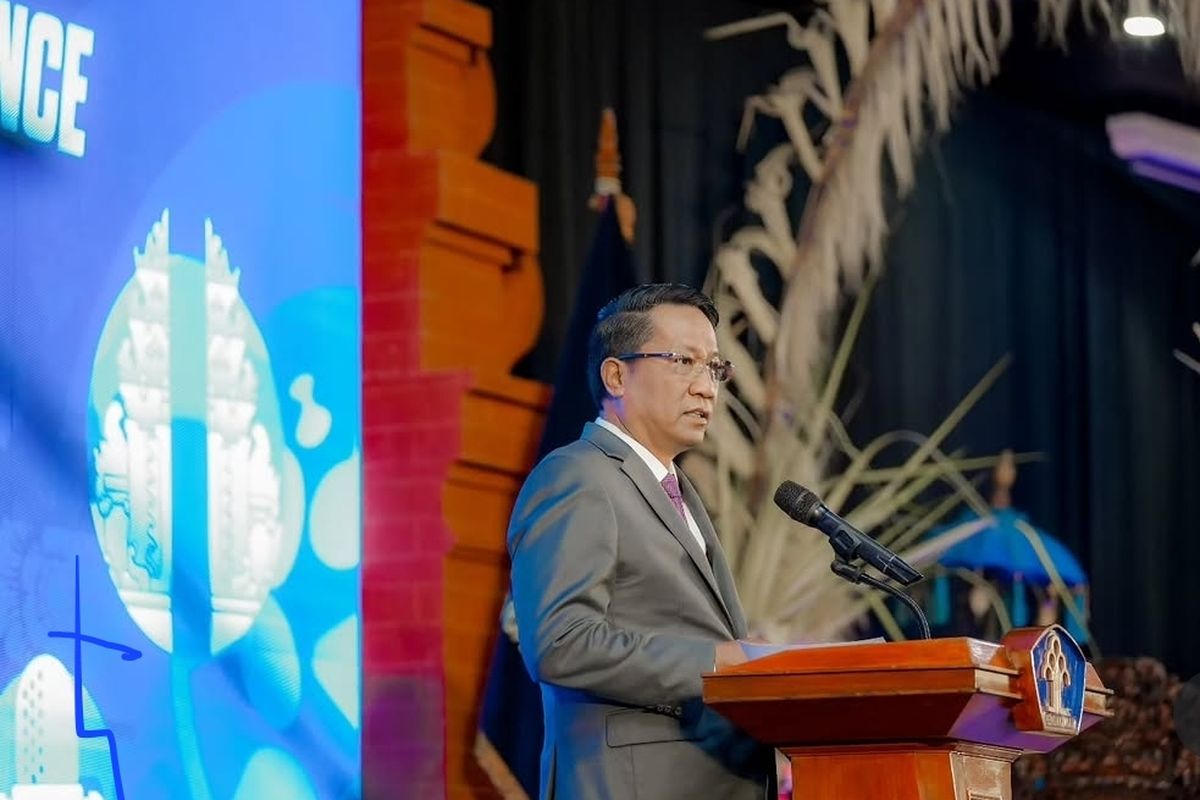
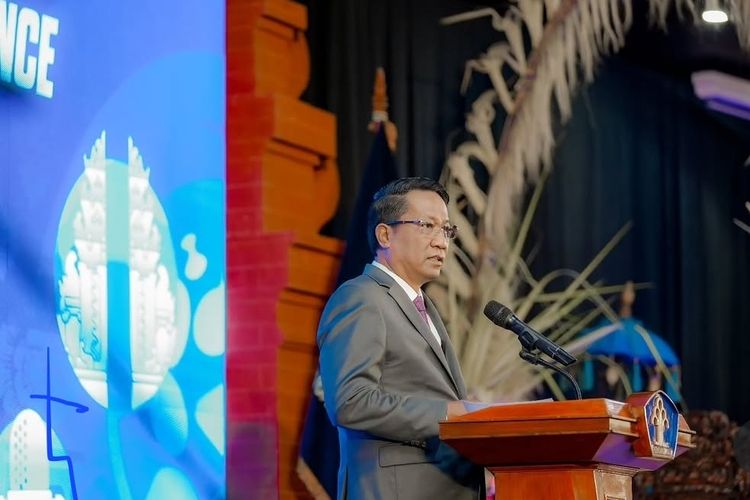
JAKARTA, KOMPAS.com - Minister of Law Supratman Andi Agtas has pledged to protect journalistic copyright in the era of artificial intelligence (AI), which mines media products through rapidly advancing technology.
“Technology must advance, but the development of technology should not obscure the value of human creations,” said Supratman at the "ASEAN Forum on the Protection of Journalistic Works in the Copyright Regime in the Digital Era" held at The Patra Hotel, Bali, as stated in the official press release on Saturday (10/10/2026).
Supratman emphasized that journalists and media organizations need legal certainty and fair economic benefits from the works they produce.
He explained that journalistic works can now be produced and disseminated instantly, reaching audiences across national borders.
“This situation presents challenges in ensuring that the use, distribution, and commercial utilization of these works respect the rights of the creators,” he said.
He stated that protecting journalistic works involves not only economic rights but also the sustainability of the information ecosystem, the quality of democracy, and public access to accurate and trustworthy information.
“In the context of ASEAN, the challenges become more complex. Journalistic works no longer stop at national borders,” Supratman continued.
To address these challenges, Indonesia is promoting the strengthening of regional cooperation through three main aspects: transparency in the use of works, fair and proportional remuneration, and cross-border data interoperability and rights management systems.
He mentioned that these efforts are necessary to ensure that the utilization of journalistic works across jurisdictions can be managed transparently and provide certainty for rights holders.
Meanwhile, the Chairman of the Press Council, Komaruddin Hidayat, pointed out the inequality in the distribution of economic value in the digital ecosystem.
He believes that digital platforms gain significant benefits from public attention, data, and advertising revenues generated through content distribution, while journalists and media organizations producing that content do not necessarily receive a commensurate share of the economic value.
“It’s concerning when those investigating reality do not receive fair compensation for the realities they produce, while those who distribute, collect, and monetize those works gain disproportionate economic value,” said Komaruddin.
According to him, this issue is not merely an economic problem but also an ethical issue and a matter of journalism’s sustainability.
“If journalistic works lack a solid economic foundation, the media’s ability to perform its public service function and support democracy may also be affected,” he added.
In addition, Fifi Aleyda Yahya, Director General of Public Communication and Media of the Ministry of Communication and Digital, stressed the importance of ensuring that digital platforms and AI systems use journalistic works while respecting the rights of creators and clarifying the sources of information.