

Prabowo Gathers Gerindra Cadres in Hambalang, Dasco and KDM Attend
-
News
-
11 minutes ago
This article was translated by AI. Read the original article on Kompas.com. See Original
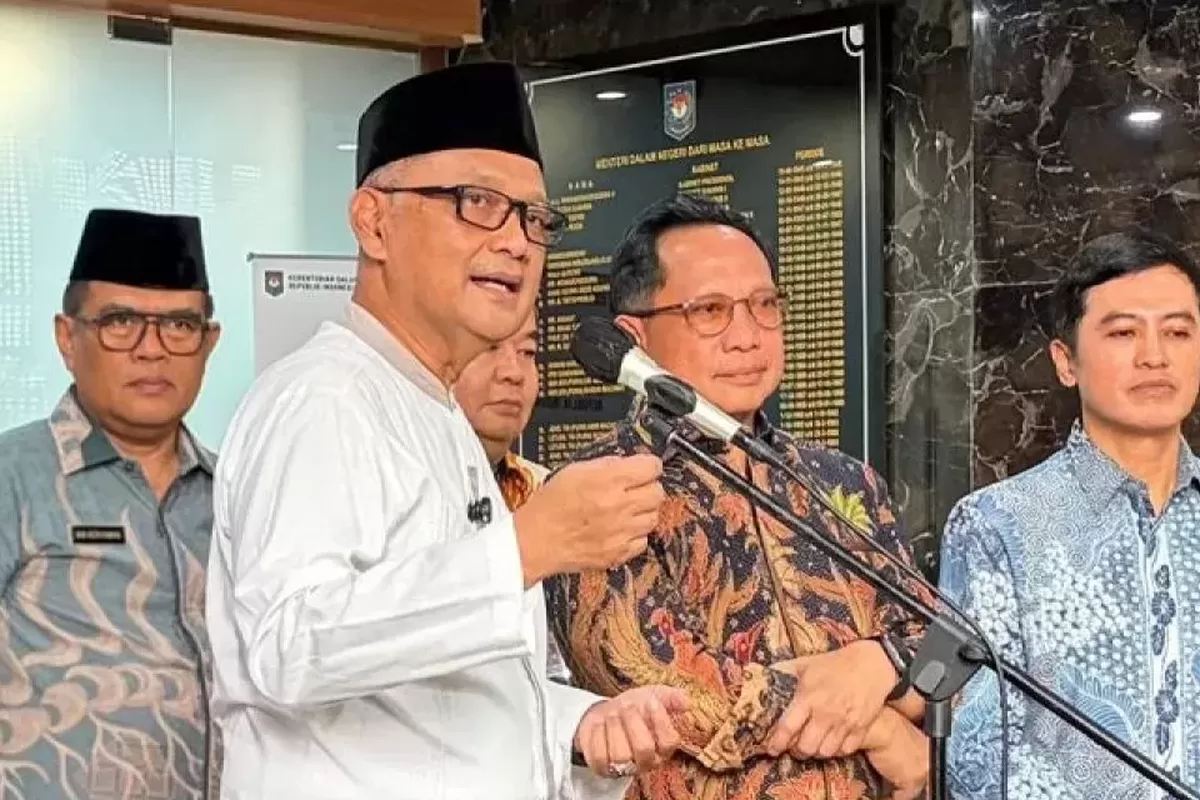
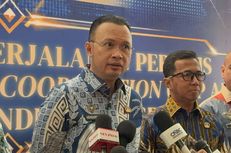
JAKARTA, KOMPAS.com - The Minister of Hajj and Umrah (Menhaj) of Indonesia, Mochamad Irfan Yusuf, emphasized that the readiness of Hajj pilgrims for their pilgrimage to the Holy Land is not solely based on financial capability but also on physical condition.
Irfan stated that Hajj pilgrims must be fully prepared both physically and mentally in order to perform all aspects of the Hajj rituals effectively.
"I want our Hajj pilgrims to be truly prepared. (Hajj) is not just about having the money to pay and go, but everything needs to be ready. The situation there must be ready, and you must also be physically ready," Irfan said, as quoted from a press release on Friday (9/10/2026).
He then highlighted two critical points in ensuring the health readiness of pilgrims.
First, health readiness must be confirmed before departure through assessments and support.
"Second, health professionals must be brave enough to communicate the results objectively if there are pilgrims who are not yet ready to depart," he noted.
He reminded health workers to be honest about the actual situation if a pilgrim is not fit to travel for Hajj.
"Do not hesitate, do not be afraid, do not worry. If you really cannot go, just say so. If the data shows that you cannot depart, I apologize, perhaps you can defer or wait until next year for improvement," he explained.
According to him, determining health readiness is not intended to complicate the journey for pilgrims who have been waiting for years, sometimes even decades, to depart.
On the contrary, this determination is a measure to ensure that pilgrims who are sent are indeed ready to carry out the Hajj rituals.
"Health workers must maintain integrity and professionalism in carrying out their duties," he said.
Every decision, according to Menhaj, must be based on the health conditions of the pilgrims so that safety and ability to perform the worship remain the primary considerations.
"It is not only part of the task but also part of worship," Irfan concluded.