

BNPB: 5,940 Families Affected by Flooding in Bandung City
-
News
-
1 minute ago
This article was translated by AI. Read the original article on Kompas.com. See Original
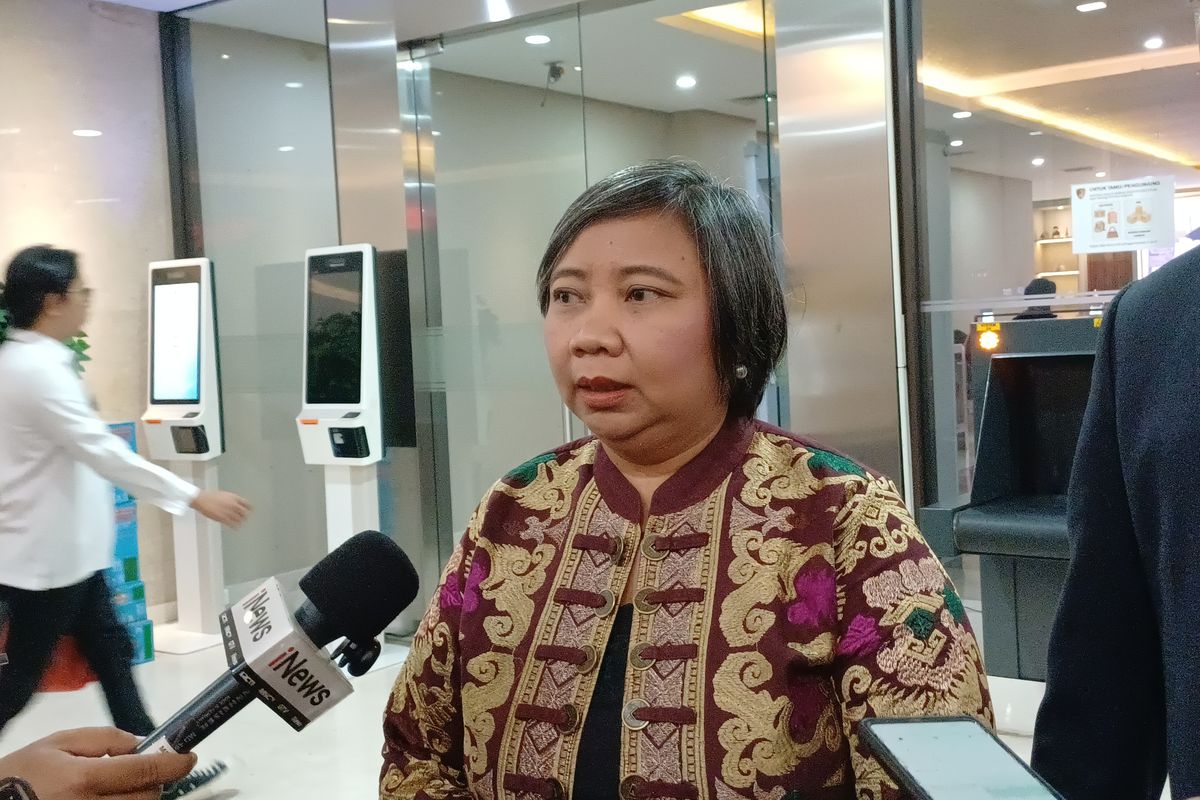
JAKARTA, KOMPAS.com - Chairperson of the National Commission on Human Rights (Komnas HAM), Anis Hidayah, revealed that the commission received 42 complaints concerning alleged human rights violations in correctional facilities across various regions in Indonesia during 2026.
The complaints include allegations of violence, torture, illegal fees, and situations where inmates have died due to assaults by other inmates.
“This year, we have received complaints on 42 cases from different correctional facilities throughout Indonesia,” Anis stated after a ministerial-level meeting at the office of the Coordinating Ministry for Law, Human Rights, Immigration, and Corrections, in Jakarta, on Friday (9/10/2026).
Anis emphasized that the commission supports the government's efforts to improve the management of correctional facilities.
“Thus, the paradigm of punishment for all our inmates is rehabilitation, and how to ensure they come out better when they leave prison,” she added.
Previously, Minister of Law and Human Rights, Yusril Ihza Mahendra, expressed the government’s intention to expedite discussions on the revision of the Narcotics and Psychotropics Law to address the issue of overcapacity in correctional facilities.
This was conveyed by Yusril following a coordinating meeting that tackled the overcapacity issue in prisons.
“Today, we are taking a systematic step. Our conclusion is that we must quickly expedite the amendment or changes to the existing Narcotics and Psychotropics Law, which is already agreed to be initiated by the DPR (House of Representatives),” Yusril shared at the Coordinating Ministry's office in Jakarta on Friday (9/10/2026).
Yusril mentioned that President Prabowo Subianto has coordinated with Minister of Law Supratman Andi Agtas to address issues concerning narcotics offenders, both dealers and users.
He also stated that the revision of the law is critical because it will clarify the distinctions between victims of drug abuse, drug traffickers, and users who also deal drugs.
“In essence, the directive from Mr. President is that those who are victims should not be criminalized but rehabilitated. Who will carry out this rehabilitation? Which agency? That will need to be regulated in the law regarding changes to the Narcotics Law and the Psychotropics Law,” he explained.
Yusril indicated that a new agency would be established specifically for drug rehabilitation.
“With this change in legislation, there might be a new body dedicated solely to drug rehabilitation. Currently, it is sporadic; some are handled by the Ministry of Health, others by the National Narcotics Agency (BNN). In the future, there may be a separate body or it might be an agency under BNN. We will see how developments unfold,” he concluded.