

Prabowo Gathers Gerindra Cadres in Hambalang, Dasco and KDM Attend
-
News
-
1 hour ago
This article was translated by AI. Read the original article on Kompas.com. See Original
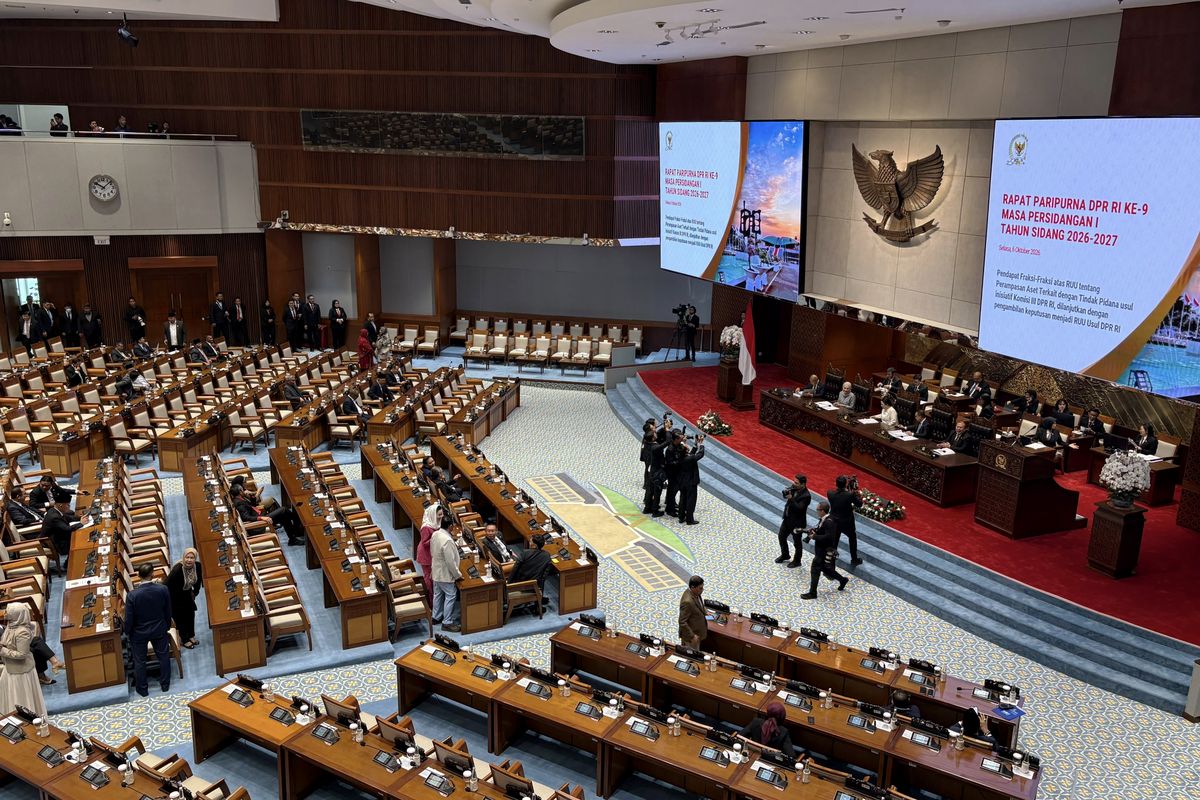
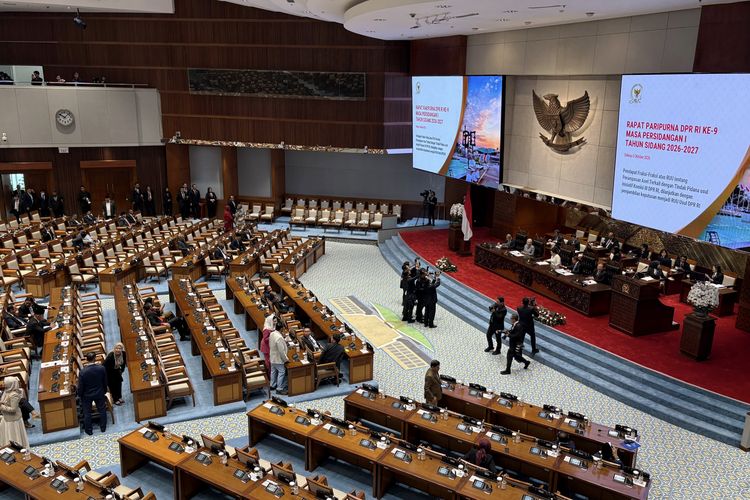
JAKARTA, KOMPAS.com - The Indonesian House of Representatives has passed the Labor Protection Bill into law during a plenary session held on Tuesday (6/10/2026).
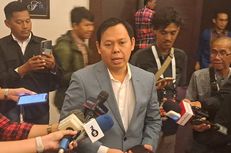
Andi Gani Nena Wea, President of the Confederation of Indonesian Trade Unions (KSPSI), stated that not all workers are satisfied with the new regulations. However, he believes that the law addresses 90 percent of workers' demands.
"Of course, given what happened today, I'm satisfied, you know. I'm satisfied because it indeed accommodates 90 percent of the workers' demands. It's impossible to achieve 100 percent," Andi expressed at the Indonesian House of Representatives on Tuesday.
The House revised the Labor Protection Law to create more equitable rules for both employees and employers while aligning provisions with the current employment landscape.
Here are some key points from the newly enacted Labor Protection Law.
The latest Labor Protection Law limits the application of Fixed-Term Employment Agreements (PKWT).
"(The PKWT provision) has been reduced to four years, from the previous draft's five years," Andi explained.
He elaborated that the implementation scheme allows employees to be on PKWT for two years, followed by extensions for one year and another year.
Andi noted that this PKWT regulation does not align with workers' demands for a maximum duration of just one year.
The Labor Protection Law establishes severance pay guarantees for employees who fall victim to layoffs.
This guarantee is facilitated through a Severance Pay Reserve Fund.
This reserve fund is enshrined in law due to many companies failing to pay severance to laid-off employees.
The rule is also said to differ from the BPJS Employment Social Security Program.
"It's different (from BPJS Employment). The reality now shows that when companies want to pay severance, the frequent excuse is that they have no funds, and so on," the Minister added.
Thus, the new Labor Protection Law serves as a legal umbrella to protect employees laid off so that they continue to receive severance pay.