

Prabowo Gathers Gerindra Cadres in Hambalang, Dasco and KDM Attend
-
News
-
1 hour ago
This article was translated by AI. Read the original article on Kompas.com. See Original
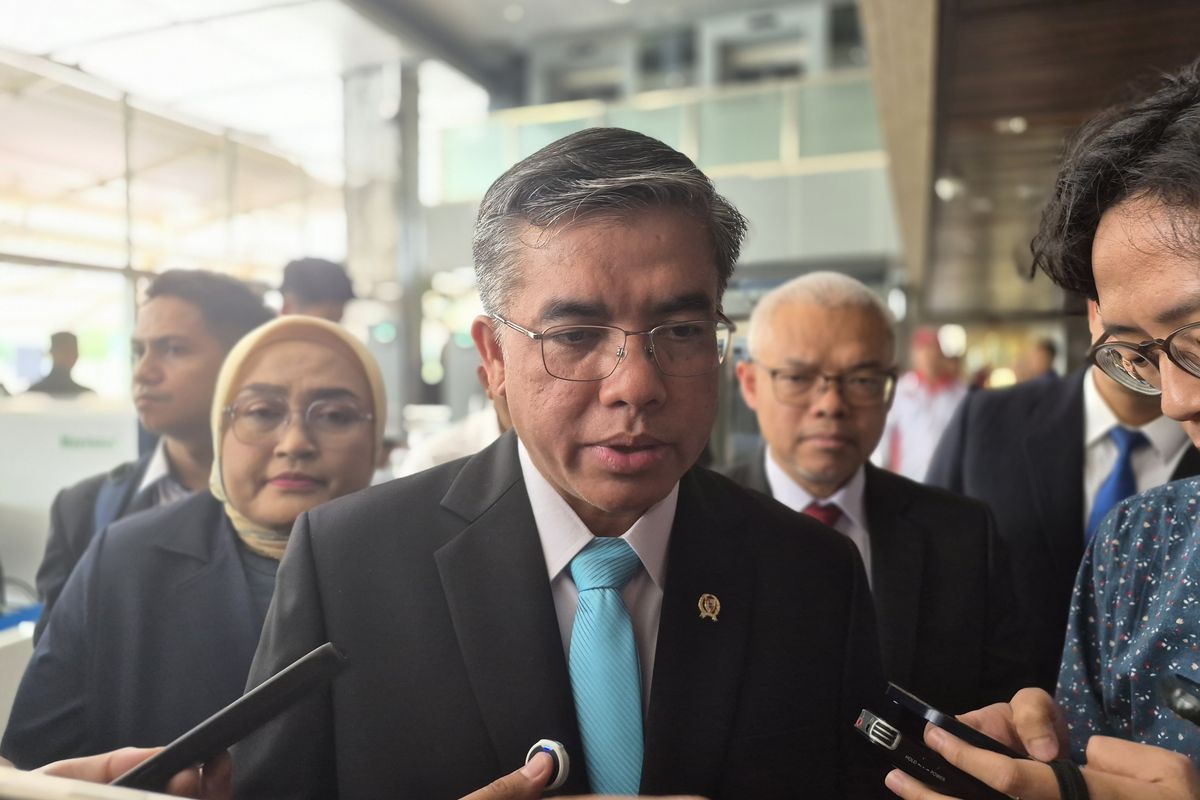
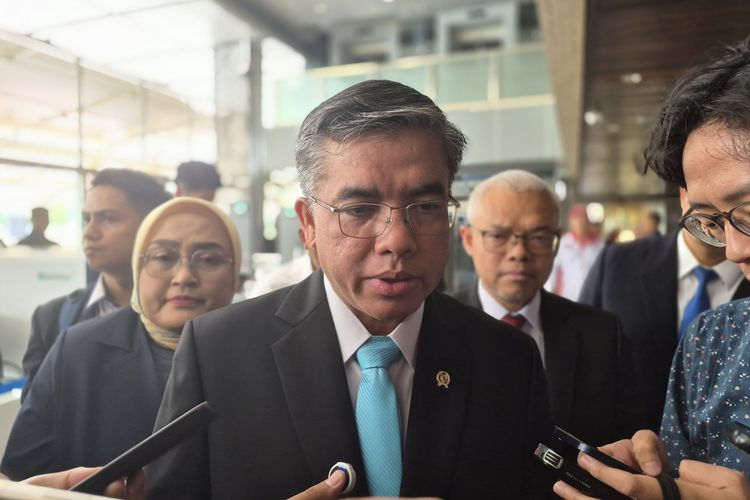
JAKARTA, KOMPAS.com - Minister of Manpower (Menaker) Yassierli outlined key points from the recently passed Employment Protection Law during a plenary session of the House of Representatives.
"The formation of this law not only successfully aligns and improves the governance of national labor but also addresses constitutional mandates through concrete follow-up on the Constitutional Court Decision Number 168/PUU-XXI/2023," Yassierli stated during the session at the DPR building, Senayan, Jakarta, on Tuesday (6/10/2026).
He emphasized that this law not only consolidates and harmonizes previously scattered norms that often led to uncertainty but reinforces a significantly fairer framework for labor protection.
According to Yassierli, workers will now receive equitable treatment in their workplaces.
Furthermore, there is clear assurance that if an industry prospers, its workers must also share in that prosperity.
Meanwhile, the Employment Protection Law also aims to prevent job brokering and fictitious job vacancies.
Here are the key points of the Employment Protection Law as presented by the government:
1. Reinforces the protection of worker rights through guarantees of equal opportunity and treatment in all aspects of employment.
This law strengthens the principle of non-discrimination in recruitment, compensation, career development, and employment relations so that every worker receives fair, dignified, and equal treatment at work.
2. Enhances protection for job seekers by providing transparent labor market information. The obligation to provide information and report job vacancies is directed at ensuring equal access to job opportunities while preventing practices of brokering, deception, and dissemination of fictitious job postings.
3. Provides legal certainty and tangible protection for internship participants by clarifying internship status, limiting internship durations, providing stipends, ensuring occupational health and safety protection, inclusion in social security for work accidents and death, and issuing internship certificates.
4. Emphasizes protection in the labor placement process through principles of objectivity, fairness, transparency, and non-discrimination. Special attention is given to vulnerable groups, persons with disabilities, and communities in underdeveloped areas to ensure equal access to job opportunities.
5. Strengthens the balance of rights, obligations, and interests among parties in industrial relations through the principle that industry advances when its workers prosper. This law affirms protections for workers' rights to organize, express aspirations, and participate in industrial relations while also enhancing legal certainty in resolving industrial disputes.
6. Affirms occupational safety and health as a fundamental right of workers that employers must guarantee through the implementation of an integrated occupational health and safety management system. Protection is focused not only on addressing workplace accidents but also on risk prevention, hazard control, and creating a safe and healthy work environment.
7. Transforms labor supervision into a more professional, independent, responsive, and proactive protection and law enforcement instrument. Strengthening the authority of supervisors in inspections, data collection, and issuing correction orders aims to ensure that any violations of labor norms are effectively addressed by labor supervisors.
8. Enhances the force and effectiveness of law enforcement through strict, proportional, and tiered administrative and criminal sanctions against employers who violate worker protection norms. Sanctions aim to create measurable deterrent effects, prevent repeat offenses, and ensure compliance with labor law obligations.
At the same time, the enforcement of sanctions provides legal certainty and sustains the continuity of business operations.