

Gibran Not a Political Party Cadre, Prabowo Has More Freedom in Choosing His Successor
-
News
-
13 minutes ago
This article was translated by AI. Read the original article on Kompas.com. See Original
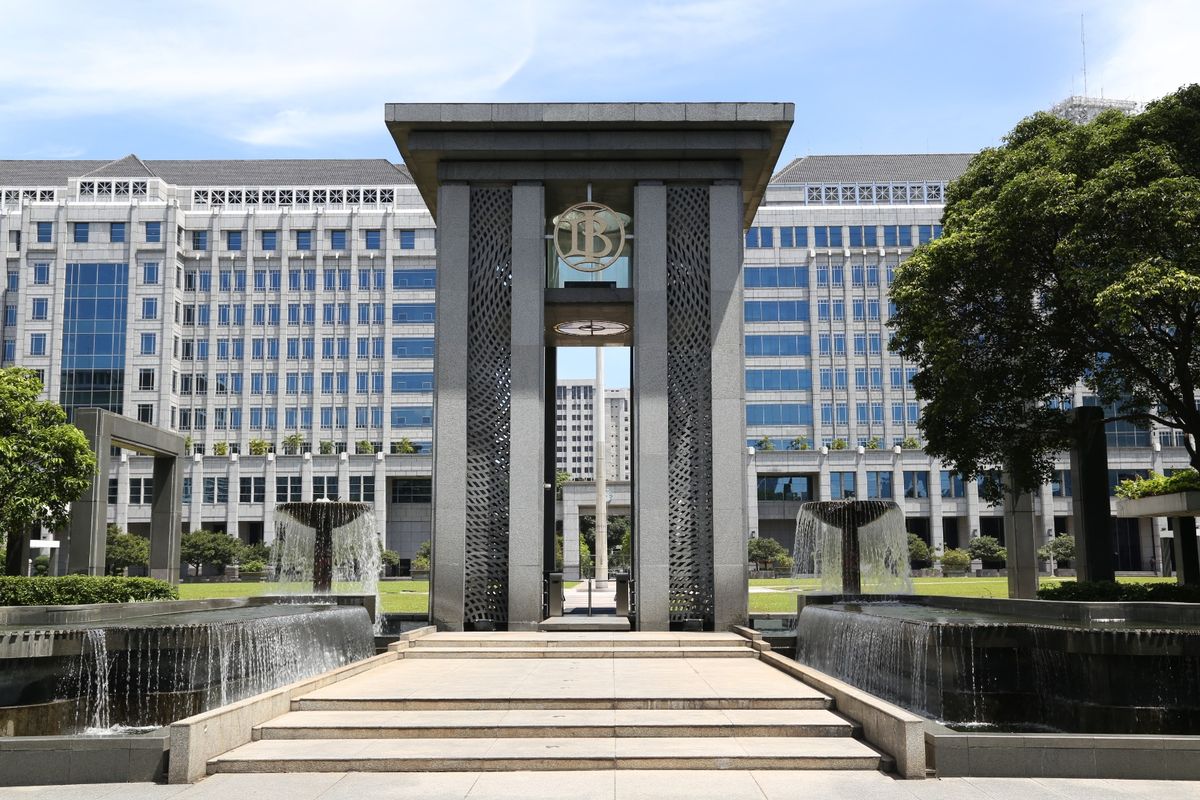
THE Fed (the U.S. Central Bank) recently raised its benchmark interest rate (the Fed Fund Rate or FFR) by 25 basis points to 3.75-4.00 percent on September 16, 2026. This marks the first increase since 2023.
Many experts predict the Fed will hike the FFR by another 25 basis points by the end of 2026. This extends the Fed’s "higher for longer" interest rate policy.
There are three reasons why the Fed increased its rate. First, the U.S. economy is projected to remain strong in 2026 and 2027, with growth forecasts raised to 2.3 percent and 2.4 percent respectively (previously forecasted at 2.2 percent and 2.3 percent).
Second, the unemployment rate is expected to fall from 4.6 percent in both 2026 and 2027 to 4.1 percent.
Third, U.S. inflation is projected to increase, with forecasts revised upward to 3.7 percent in 2026 and 3.4 percent in 2027.
This FFR hike impacts Indonesia, primarily causing the rupiah to weaken against the U.S. dollar as investors prefer holding U.S. dollars and dollar-denominated assets, such as U.S. bonds with rising yields.
Another negative effect is imported inflation triggered by higher prices for imported goods and services in Indonesia.
What about the BI rate?
In the short term, specifically in September 2026, some predict Bank Indonesia (BI) will hold the BI Rate steady at 5.75 percent, despite the BI Board of Governors meeting scheduled for September 22-23, 2026.
This is because BI has already anticipated and preempted various global shocks, including the Fed’s rate hikes, by raising the BI Rate earlier—from 5.25 percent to 5.50 percent on June 9, 2026.
BI subsequently raised the BI Rate again to 5.75 percent on June 18, 2026, maintaining it at that level through August 2026.
This fairly aggressive BI Rate increase is considered sufficient to absorb the impact of the FFR hike.
Inflation remains within the target range set by BI and the government. In August 2026, inflation was recorded at 3.19 percent, still within the BI and government target range of 2.5 percent plus or minus 1 percent.
Bank Indonesia must tread carefully, as raising the BI Rate carries significant consequences, including higher deposit interest rates.
Eventually, this leads to increased lending rates, raising the cost of investment—which is crucial for creating job opportunities.
Nevertheless, BI can curb the effects of the FFR hike through measures other than increasing the BI Rate. These include interventions in the foreign exchange market, supported by ample foreign exchange reserves currently at 146.5 billion U.S. dollars (enough to cover 5.4 months of imports, well above the minimum three months).
Other instruments include BI Securities (SBI and SRBI), bank liquidity management, and more. Collaboration with the government is also vital to prevent foreign investors from withdrawing funds from Indonesia—which would risk rupiah depreciation—by demonstrating credible fiscal policies, especially with the recently appointed Finance Minister, Suahasil Nazara.
Examples of credible fiscal policies include reducing budget waste on flagship programs like MBG, KDMP, URI, Sekolah Rakyat, and others, and instead directing funds toward more productive programs such as infrastructure development.
However, if the FFR increases between October and December 2026 place severe pressure on the rupiah, BI would indeed need to raise the BI Rate.
Economic and financial market observers predict BI will raise the BI Rate to between 6.00 and 6.25 percent by the end of 2026.