
Gibran Plans to "Fight": Is There Still a Way to Validate His Certificate?
-
News
-
24 minutes ago
This article was translated by AI. Read the original article on Kompas.com. See Original
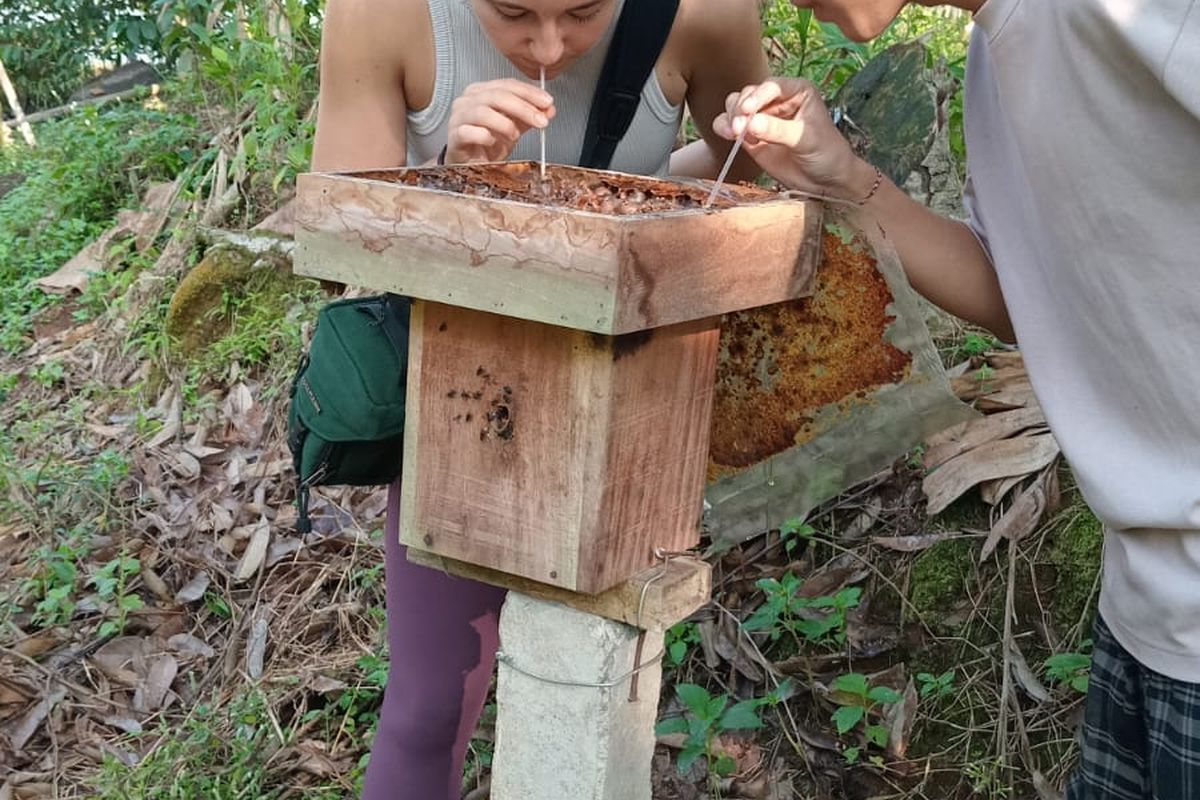
The forest is indeed magnetic, but Mendolo’s journey does not stop beneath the trees. PPM involves the community in tourism activities. Homestays operate in residents’ homes, and meals for visitors come from local sources.
“We mainly serve local foods.”
“From the forest, we learn about local foods together with the women. It’s a complete village knowledge package,” he added.
Vegetables that grow around the village become part of the meals. Food isn’t only about filling stomachs but also serves as a gateway to introduce how Mendolo’s community lives and utilizes what is available around them.
During lunch, for example, local women can share stories about the dishes—what the food is, where its ingredients come from, and how it’s prepared. In this way, the dining table becomes a space for storytelling. Tourists don’t just see the village; they experience it.
“What we offer is experience,” said Iman.
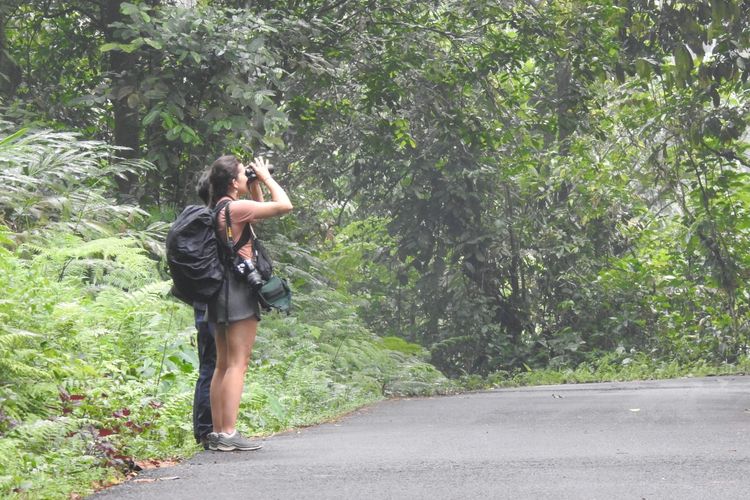
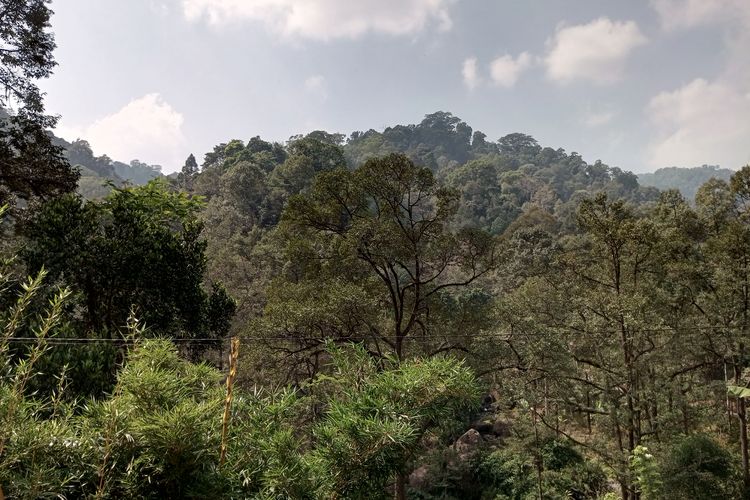
That experience begins when visitors enter the village, continues into the forest, returns to local homes, and concludes with sitting down to enjoy a meal. Even after the wildlife tour ends, other activities are available.
These include traditional coffee processing, cooking together, and ngramban—gathering or harvesting food ingredients from nature for later processing.
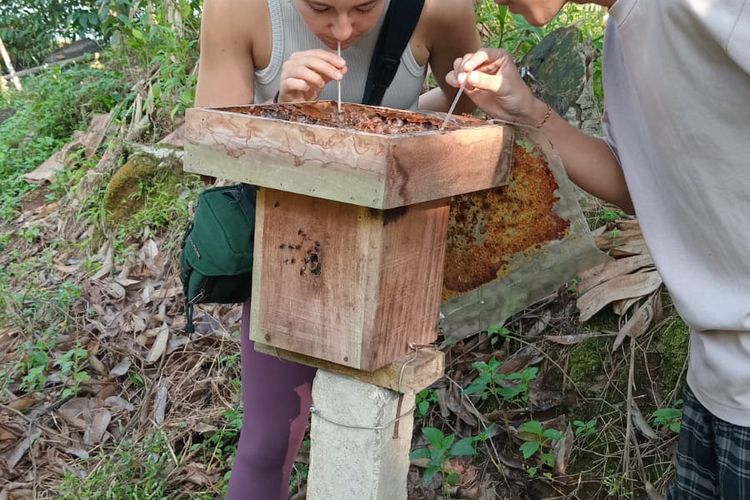
There is also klanceng honey, where visitors can watch the honey harvesting directly at its source. All of this makes Mendolo tourism not just about what can be seen.
“Ecotourism here talks about how life unfolds,” he emphasized.