

Prabowo Gathers Gerindra Cadres in Hambalang, Dasco and KDM Attend
-
News
-
3 hours ago
This article was translated by AI. Read the original article on Kompas.com. See Original
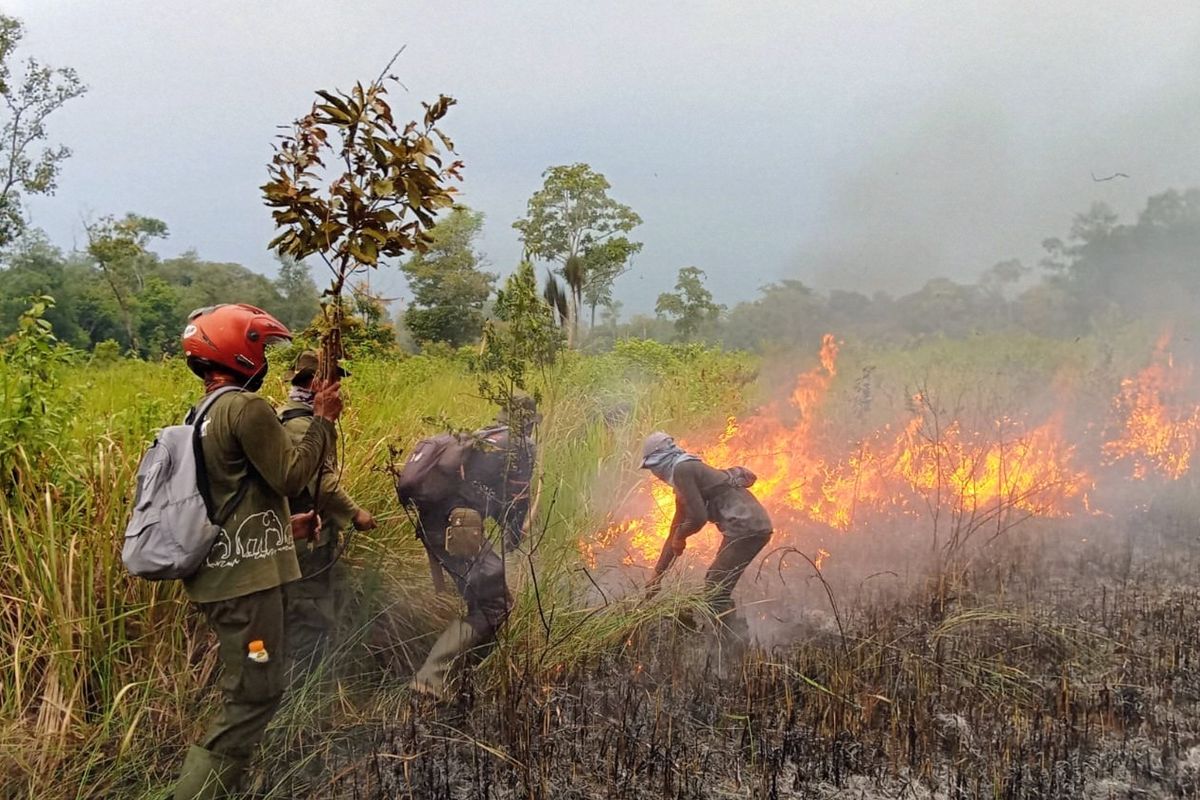
LAMPUNG, KOMPAS.com - The forest and land fires at Way Kambas National Park (TNWK) in East Lampung have raised a critical issue: how to respond more swiftly to fires if they break out again in this vast and hard-to-reach conservation area.
This concern is well-founded.
The series of fires that occurred in August 2026 affected approximately 802.4 hectares within TNWK.
This total stems from several incidents.
About 673 hectares burned in the Braja Harjosari area on August 21-22, then approximately 123 hectares in Braja Kencana and Braja Luhur on August 23-24, and 6.4 hectares in Rantau Jaya.
Field conditions made fire suppression far from straightforward.
Dry vegetation, peatland terrain, difficult access for vehicles, and limited water sources posed significant challenges for personnel chasing the fire points.
These experiences have now driven efforts to enhance mitigation resources, especially water availability within TNWK.
The Chair of the Joint Committee for Mitigation and Handling of Negative Elephant Interaction in TNWK, Brigadier General TNI Sriyanto, stated that his team supports wildfire response by also preparing facilities to be used during fires.
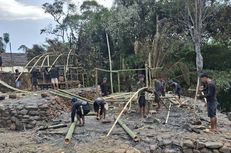
This support includes logistics for personnel, water pumps and fire hoses, as well as constructing water storage facilities such as bore wells and water reservoirs (embung).
"We look for the lowest spots to simultaneously build reservoirs. These storage units combine bore wells and embungs," Sriyanto said on Sunday (September 20, 2026).
According to him, these facilities are intended to be useful not only during fires.
During the rainy season, the embungs store water, while in the dry season, these water sources can also be used to meet the needs of wildlife, including Sumatran elephants.
"We are planning to build 10 bore wells. Currently, two locations are operational, and eight others are undergoing technical surveys," he added.
Thus, water availability is positioned as part of fire readiness, not merely a post-fire facility.