

The National Education System Bill to Regulate Teachers' Salaries, Proposed to Be at Least Equivalent to UMP
-
News
-
17 minutes ago
This article was translated by AI. Read the original article on Kompas.com. See Original

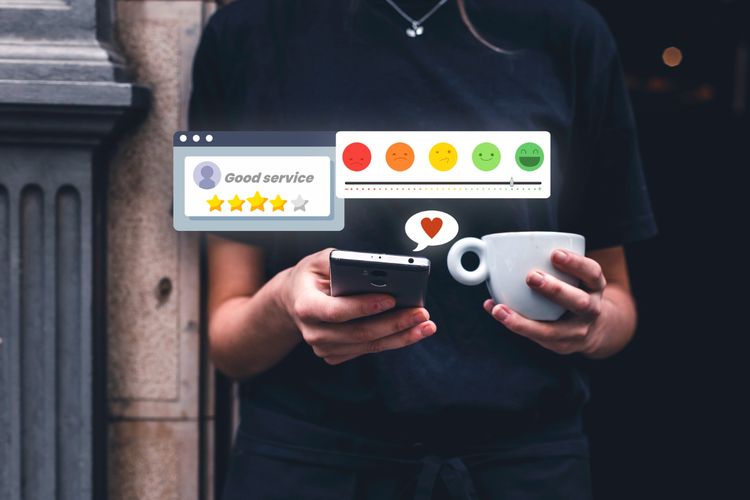
This is a massive wave of travel scams using generative AI to create a filtered reality. Shabby motels can masquerade as the “Ritz-Carlton.”
"The industry uses generative AI to flood the market with fake praise and bury legitimate complaints," Charman told USA Today (September 11, 2026).
He explained the goal is to ensure consumers never encounter any negative feedback about their hotels.
For example, companies use AI to remove blemishes from photos or edit crowded resort beaches to appear empty and pristine.
Travel firms create AI puppets, fake digital identities with credible histories, which post across multiple platforms to drown out genuine reviews.
Chip Lupo, analyst at digital finance platform WalletHub, said AI can control information flow, making it harder for travelers to know the real experience.
"AI now enables companies to influence search results, automate convincing responses, and steer information flow in ways that make it difficult for travelers to understand what the actual experience is like," Lupo explained.
Rafay Baloch, CEO and founder of REDSECLABS, a cybersecurity company, noted that companies use AI to spread entire discussion threads on platforms like Reddit and Quora.
These posts subtly promote specific hotels or airlines while posing as impartial travelers.
AI can also customize website appearances based on user browsing habits to make products seem more appealing.
The purpose is to reduce skepticism, especially when users click links to read the fine print.