

Two Vice Presidential Candidates No Longer in the President's Pocket
-
News
-
3 minutes ago
This article was translated by AI. Read the original article on Kompas.com. See Original
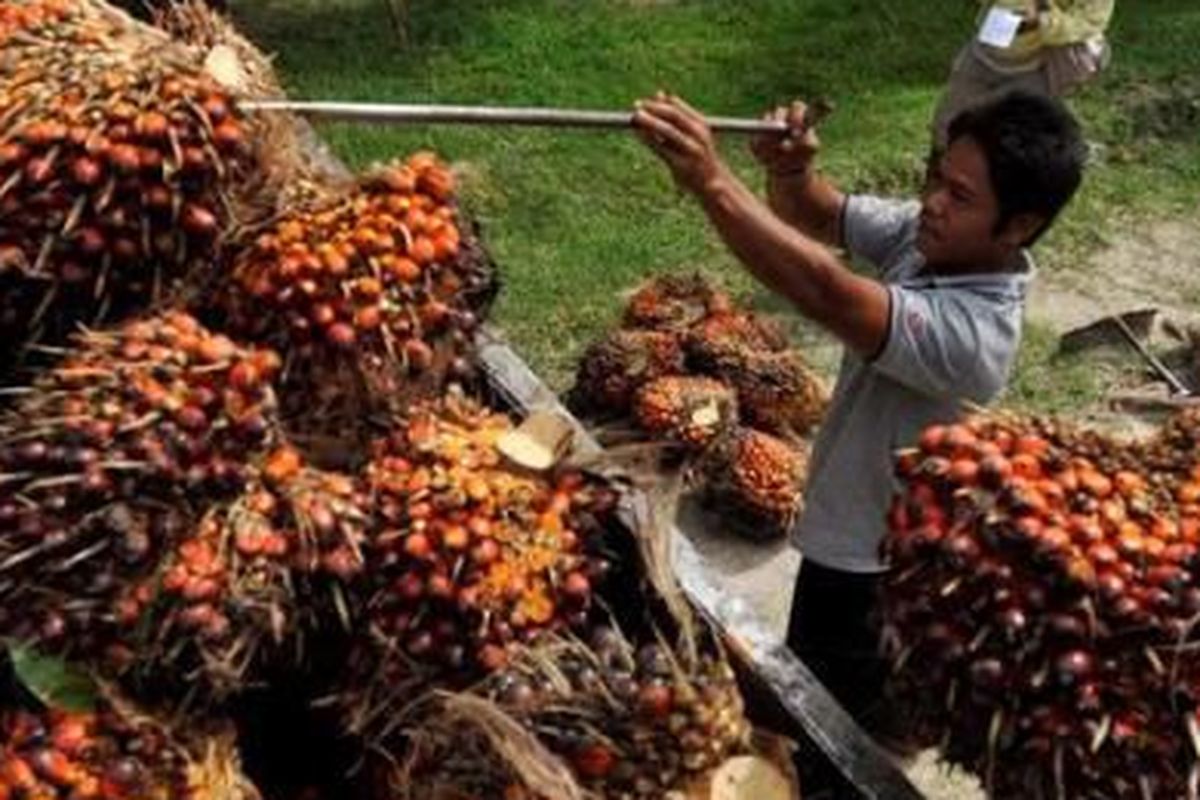
Additionally, there are issues with stalled Value Added Tax (VAT) refunds.
According to GAPKI’s presentation, the accumulation of these components pushes Indonesia’s total palm oil export costs to about 297 US dollars per ton.
This figure is comparably higher than Malaysia’s export costs, which stand around 121 US dollars per ton.
Therefore, GAPKI called for cost considerations to be factored into the BMKS implementation. Participation fees on the exchange, GAPKI emphasized, must remain efficient so as not to further widen the burden for Indonesian palm oil businesses.
GAPKI also highlighted the role of PT Danantara Sumberdaya Indonesia (DSI) in the strategic commodity export mechanism, especially if the company is designated as a sole intermediary.
Beyond governance and costs, GAPKI sees the IRP formation mechanism as a crucial aspect of BMKS.
GAPKI Deputy Secretary General Lolita Bangun explained that several price benchmarks will gain attention in global palm oil trade: Rotterdam, the Malaysia Derivatives Exchange (MDX), and ICOMEX or BMKS.
With multiple benchmarks, the IRP formation mechanism must be clearly designed so that prices generated by BMKS are accepted by international buyers.
GAPKI also pointed out the importance of protecting business data integrated into government systems.
According to Lolita, businesses need certainty regarding the security of the data they submit to these systems. Furthermore, GAPKI believes there should be clarity about incentives for companies mandated to comply with government regulations.
Export price competitiveness is another concern.
GAPKI argued that the accumulated cost components—from export levies, Export Duties, DMO obligations to potential additional costs arising from BMKS implementation and DSI involvement—need to be comprehensively assessed.
To anticipate the possible impacts of BMKS on the palm oil industry, Lolita proposed that the government conduct simulations using artificial intelligence (AI).
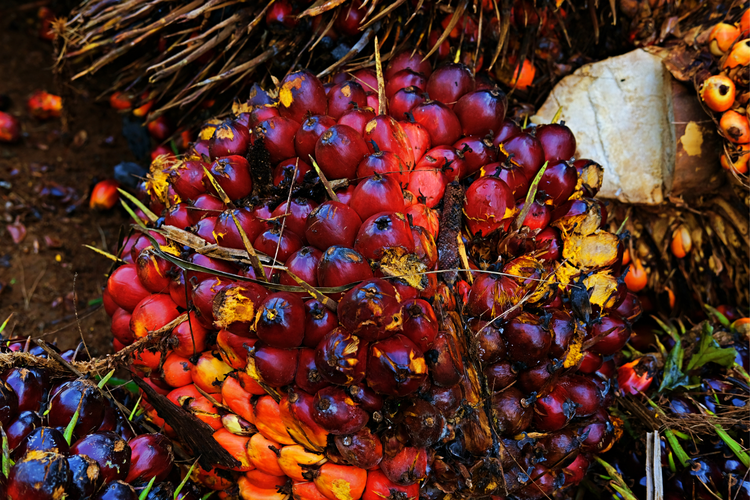
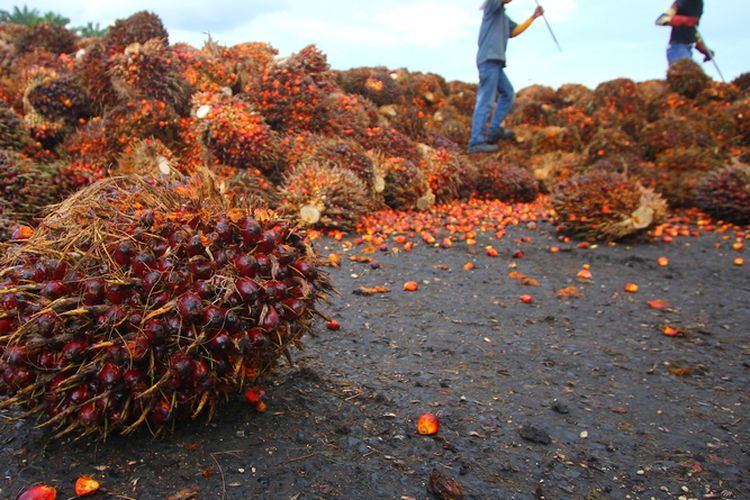
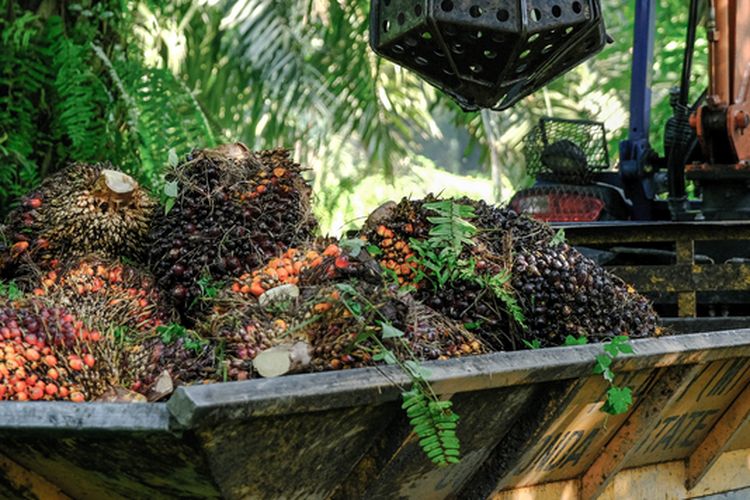 Illustration of oil palm, fresh fruit bunches of oil palm.
GAPKI noted that multiple variables could simultaneously affect the palm oil sector.
One is the potential production decline caused by the Super El Nino climate phenomenon. Conversely, domestic palm oil consumption may rise alongside biodiesel program implementation.
At the same time, the industry must still contend with various export cost components.
AI simulations could model these variables to explore potential changes in the industry under various scenarios.
These simulations could also assess the impact of production changes, domestic consumption, and export costs on Indonesia’s bargaining position in the global palm oil market.
GAPKI believes modeling such scenarios could provide valuable input in preparing BMKS implementation, particularly ensuring that the exchange mechanism and strategic commodity trade policies take the palm oil industry's circumstances into account.
GAPKI emphasized several aspects critical for BMKS readiness: independence and transparency of governance, trading liquidity, commodity traceability, price formation mechanisms, data integration, business data protection, and cost efficiency for businesses.