

Cak Imin Encourages Pesantren-Based Vocational Schools to Elevate Standards to International Levels
-
News
-
5 hours ago
This article was translated by AI. Read the original article on Kompas.com. See Original
JAKARTA, KOMPAS.com - The Indonesian Palm Oil Association (GAPKI) has highlighted several key considerations the government should address in preparation for the implementation of the Mineral and Strategic Commodities Exchange (BMKS), particularly regarding the exchange's governance and the competitiveness of Indonesia's palm oil exports.
GAPKI views the establishment of BMKS as a potential part of efforts to develop an Indonesian commodity reference price, known as the Indonesia Reference Price (IRP).
However, before implementation, there are several prerequisites that must be ensured so the exchange mechanism can function effectively without adding burdens to the palm oil industry.
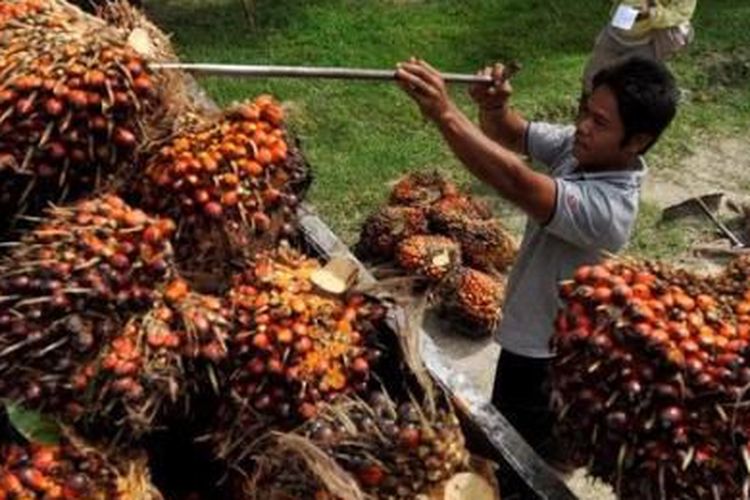
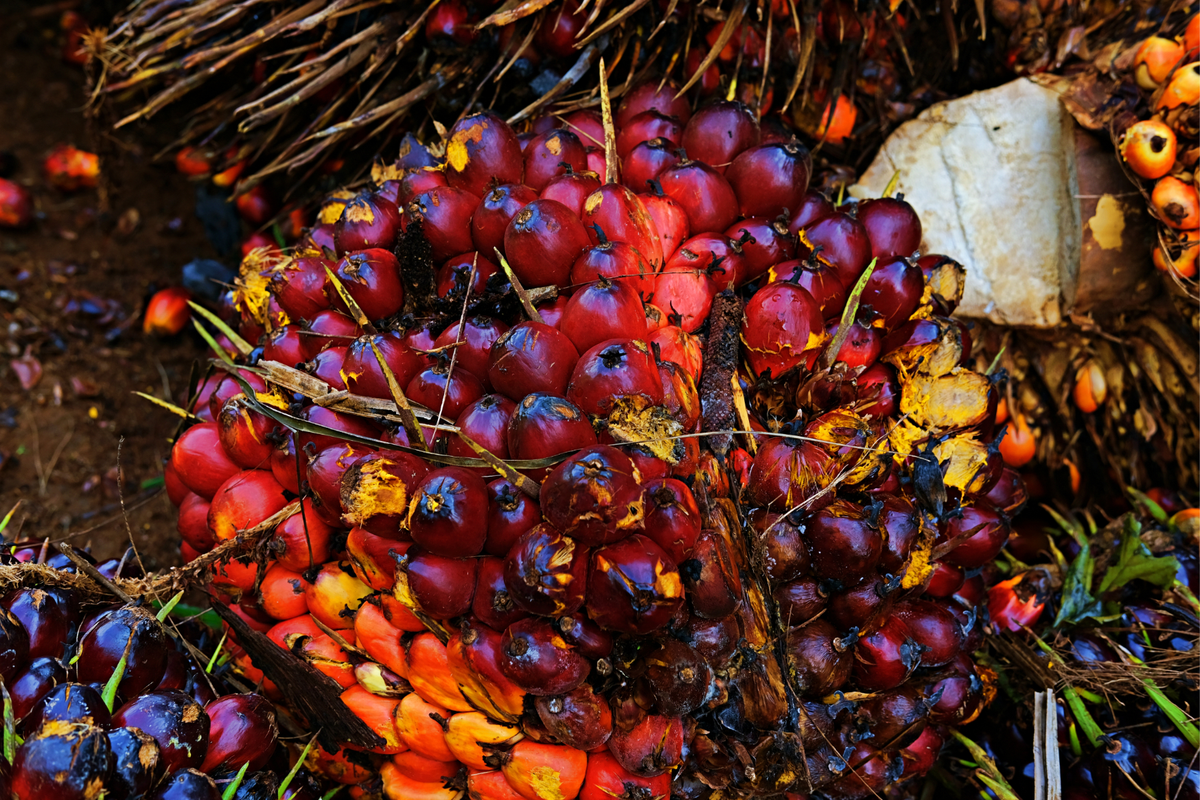
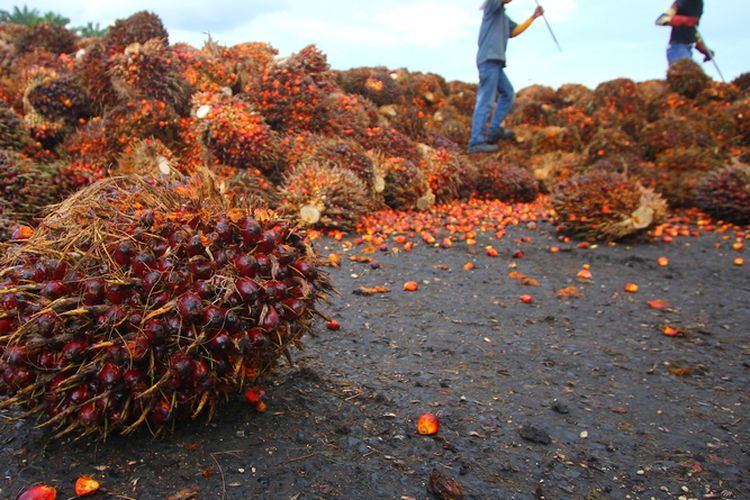 Illustration of palm oil.
The Head of GAPKI’s Taxation and Fiscal Affairs, Yustinus Lambang Setyo Putro, stated that the palm oil industry supports the creation of an independent benchmark price so Indonesia no longer has to depend solely on foreign commodity exchanges.
According to him, as quoted from GAPKI’s official website on Saturday (9/19/2026), there are seven governance prerequisites that need attention in BMKS’s establishment.
First, the exchange’s governance must be independent and free from conflicts of interest, political intervention, or manipulation by certain parties.
Second, Indonesia’s position as one of the world’s leading palm oil producers and exporters must be optimized within the BMKS mechanism.
Third, the commodities traded should have sufficient transaction volume and liquidity to ensure active trading activities on the exchange.
Fourth, GAPKI emphasized the need to strengthen commodity traceability systems. This system is necessary to verify the origin of commodities, including aspects of sustainability, licensing, and certifications such as the Indonesian Sustainable Palm Oil (ISPO) and the Roundtable on Sustainable Palm Oil (RSPO).
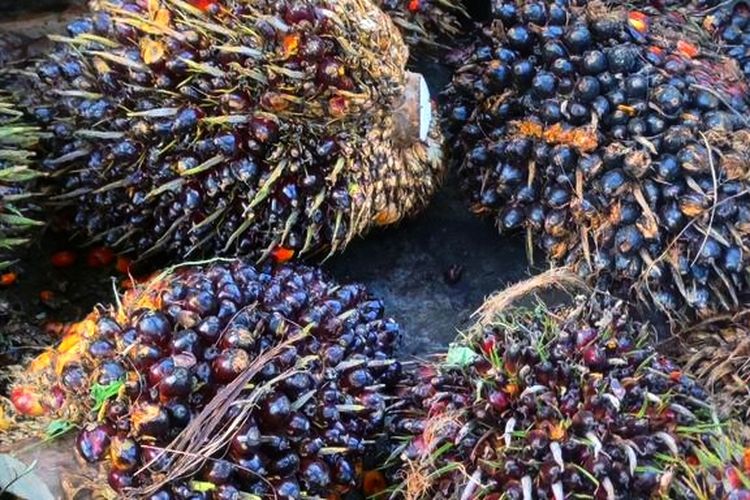 Illustration of palm oil.
Fifth, the price formation mechanism, or price discovery, must be transparent and reflect true supply and demand conditions.
GAPKI also stressed that this mechanism should prevent transfer pricing practices.
Sixth, data interoperability among relevant agencies is essential. GAPKI pointed out the importance of data integration between the Financial Services Authority (OJK), Bank Indonesia (BI), the Mineral Industry Body (BIM), and PT Danantara Sumberdaya Indonesia (DSI).
Seventh, the fees charged to exchange participants should be efficient to ensure BMKS does not overly burden the palm oil industry.
Costs remain a major concern for GAPKI since Indonesia’s palm oil industry is currently facing various export cost components.
GAPKI noted that businesses must bear Export Duties (BK), Export Levies (PE), obligations under the Domestic Market Obligation (DMO) and Domestic Price Obligation (DPO) for Minyakita, as well as the requirement to retain 50 percent of Export Proceeds (DHE) for 12 months in banks under the State-Owned Banks Association (Himbara).