

Cak Imin Encourages Pesantren-Based Vocational Schools to Elevate Standards to International Levels
-
News
-
5 hours ago
This article was translated by AI. Read the original article on Kompas.com. See Original
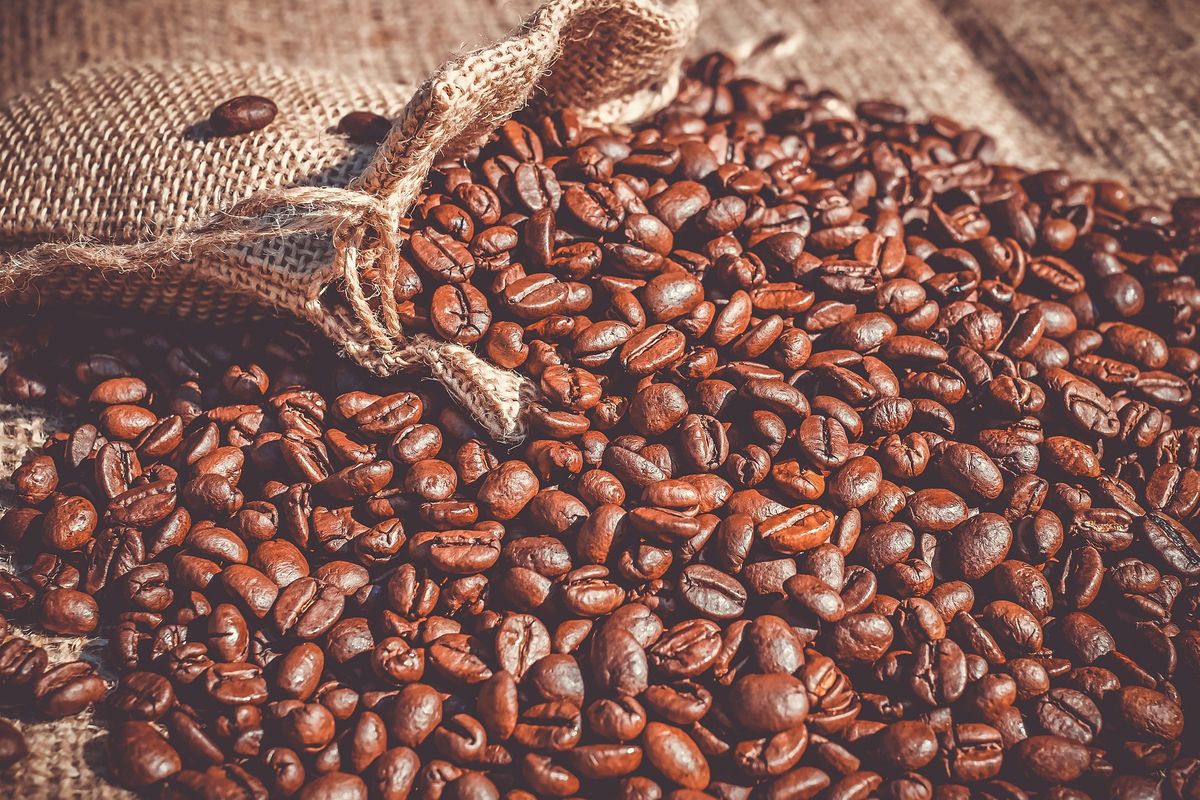
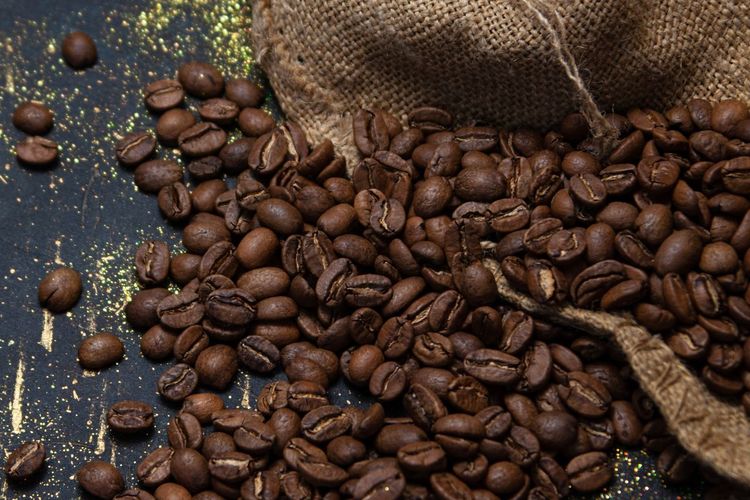
Robusta is a coffee species known for its high acidity, bitter taste, and woody, nutty flavor. Robusta beans tend to be small and round.
This coffee was first discovered in Congo but is native to Central and West Africa, in countries including Angola, Liberia, and Tanzania.
Scientifically identified as Coffea canephora, Robusta has two varieties: robusta and nganda. Robusta beans make up about 30 percent of the global coffee production.
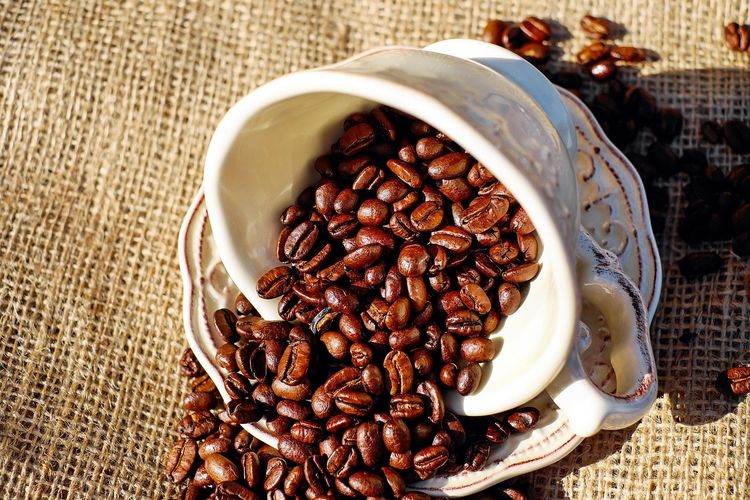
Gayo Arabica coffee is a type of Arabica bean cultivated in the Gayo highlands of Aceh Province, covering districts such as Central Aceh, Bener Meriah, and Gayo Lues.
This coffee is known for its clean flavor, medium to full body, and low acidity, often accompanied by herbal, earthy, or spicy aromas.
Gayo coffee is considered one of Indonesia’s most renowned Arabica coffees and has been granted Geographical Indication (GI) status by the Indonesian government.
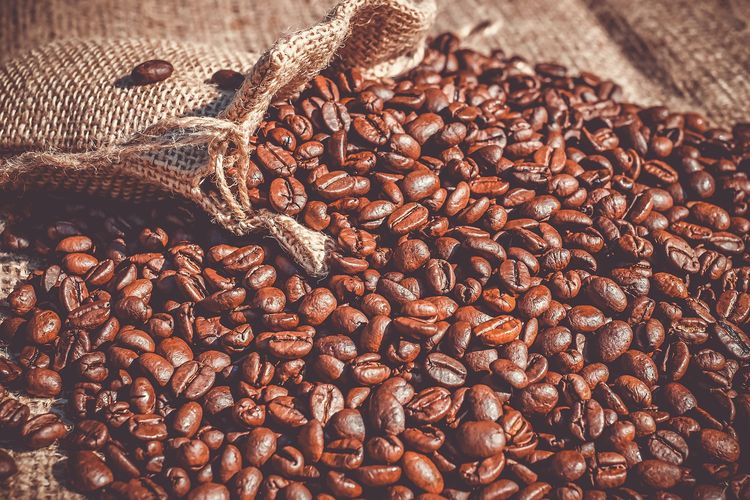
Kafae Doi Chaang is an organic coffee made from Arabica varieties Caturra, Catimor, and Catuai, grown on the hills of northeast Thailand on Doi Chaang mountain.
This coffee features a well-balanced sweetness and acidity, with honey-like aromas and subtle floral and cherry notes.
The green coffee beans are cultivated with high quality, hand-picked, processed, and roasted, resulting in a coffee with complex and rich flavors.
These coffee beans come from Coffea arabica plants grown in the Huehuetenango region of Guatemala at altitudes up to 1,900 meters.
Huehuetenango highland coffee is cultivated under the shade of tall trees. It comes in three varieties: Typica, Bourbon, and Caturra.
A mild fermentation process is used to extract the coffee beans from the fruit. This process begins within 4 hours after harvest and usually lasts 24 to 36 hours.
The coffee beans are then dried for at least 3 hours, during which time they are manually turned with a fork.